InnovationExplainer
Hydrothermal carbonisation (HTC) of sludge and digestate: process, products and limitations
HTC converts wet biomass into hydrochar at about 180–250 °C, without drying. We explain the process, the products and the reasons for the technology's limited popularity.
Other language versions: Polski, Deutsch, Español, Français, Italiano, Nederlands.
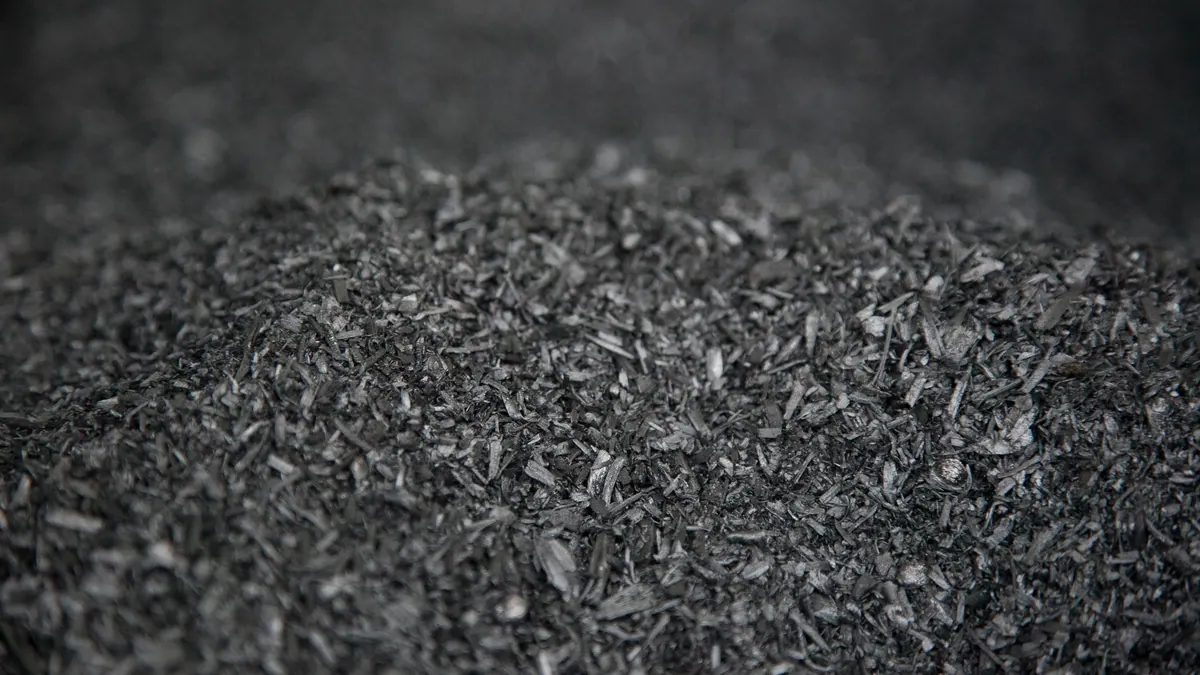

Digestate, sewage sludge and other wet organic waste share one weakness: a lot of water and little energy per tonne. Hydrothermal carbonisation (HTC) is a process that allows such biomass to be processed without prior drying, and its main product is solid hydrochar. We explain how it works and what limits its use in practice.
What the process involves
In HTC, biomass in the form of a slurry is heated in a closed reactor to a temperature of about 180–250 °C. The pressure sets itself, at the level of water vapour saturation, that is, on the order of a dozen or so to several dozen bar. Water under these conditions is in a subcritical state: it remains liquid, but has different properties than at room temperature (a lower dielectric constant, a greater ability to catalyse acid-base reactions). The residence time is usually from one to a dozen or so hours.
Reactions of hydrolysis, dehydration and decarboxylation take place, and the products condense into a solid, carbon-rich particle. Because the process is carried out in water, the feedstock does not have to be dried beforehand; this is the main advantage over pyrolysis and gasification.
Products
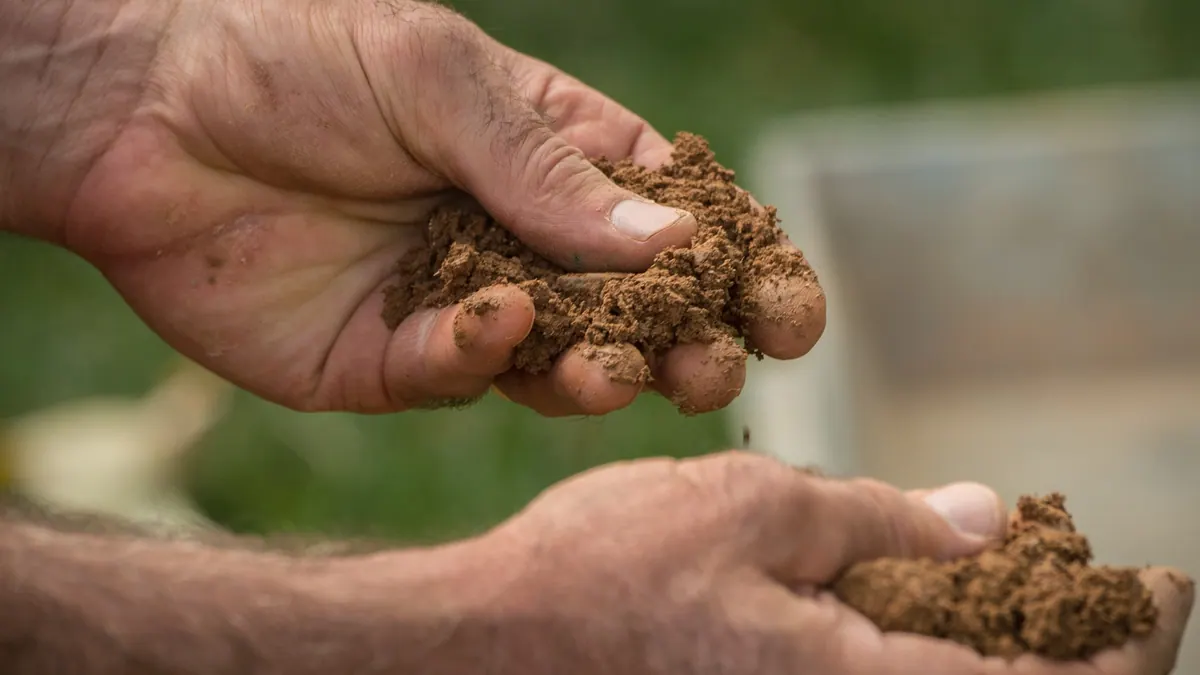
- Hydrochar — a solid fraction with a higher carbon content and lower oxygen content than the feedstock, more dewaterable mechanically than the original sludge. The calorific value depends on the feedstock and conditions; sewage sludge gives hydrochar with a high ash content.
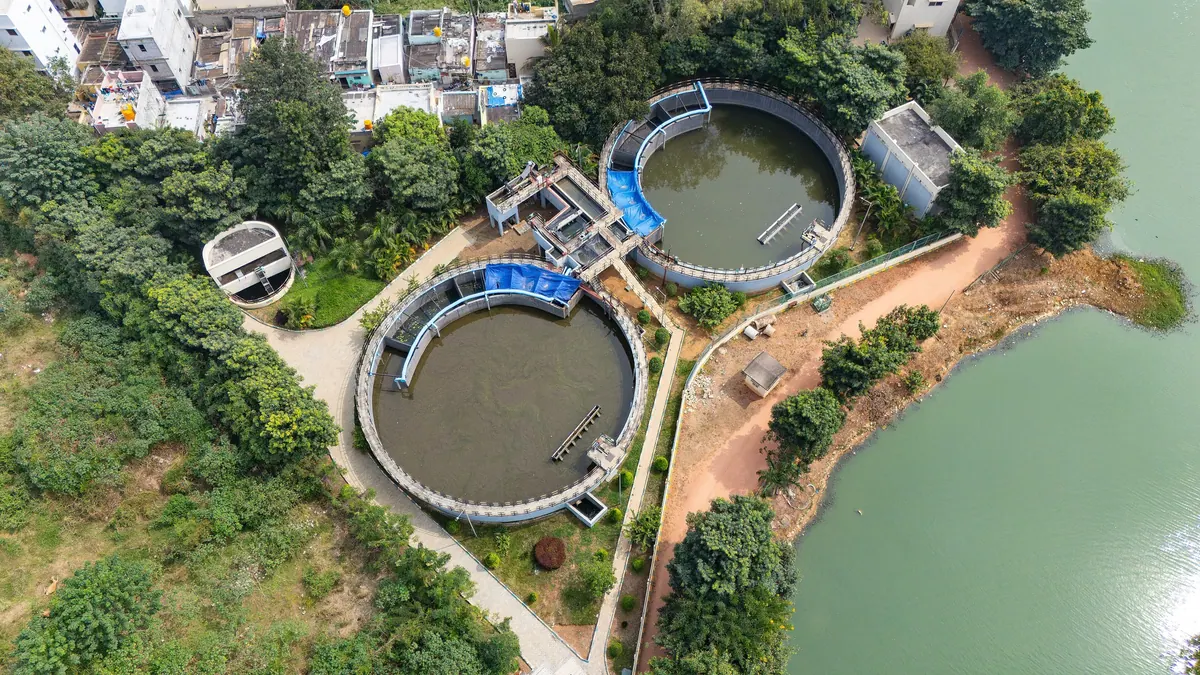
- Process liquid — a solution with a high COD (dissolved organic acids, phenols, sugars), also containing ammonium nitrogen and phosphorus. Usually more of it is produced than of the solid fraction.
- Gas — a small amount, mainly CO₂.
The proportions and composition depend on the feedstock, temperature and time; we do not give them as universal figures, because they differ between sources.
Link to biogas
In the context of a biogas plant, HTC appears in two roles: as treatment of digestate or digested sludge, to reduce its mass and obtain a solid product, and as pretreatment in which the process liquid returns to digestion. The liquid has a high COD, so biogas can potentially be obtained from it, but some compounds (phenols, Maillard reaction products) are hard to degrade and may inhibit methanogenesis. Management of the liquid is therefore the key problem of the technology: either it returns to digestion in a small proportion, or it requires separate treatment.
Challenges
- Process liquid. Treating it increases cost and complexity; without solving this problem the economic balance does not work out.
- Organic contaminants. Under HTC conditions, compounds that are not in the feedstock may form, and some contaminants may remain in the hydrochar.
- Corrosion and fouling. Hot, acidic water with chlorides requires resistant materials, which raises the cost of the equipment.
- Heat consumption. Heating a large amount of water requires heat recovery; without recuperation the energy balance is unfavourable.
- Legal status. Hydrochar from waste may remain waste until it meets the end-of-waste criteria, and as a fertiliser or fuel it must meet the relevant standards; the rules depend on the feedstock and the country.
- Market. The market for hydrochar as a fuel, soil additive or co-firing material is not well established.
Uses of hydrochar
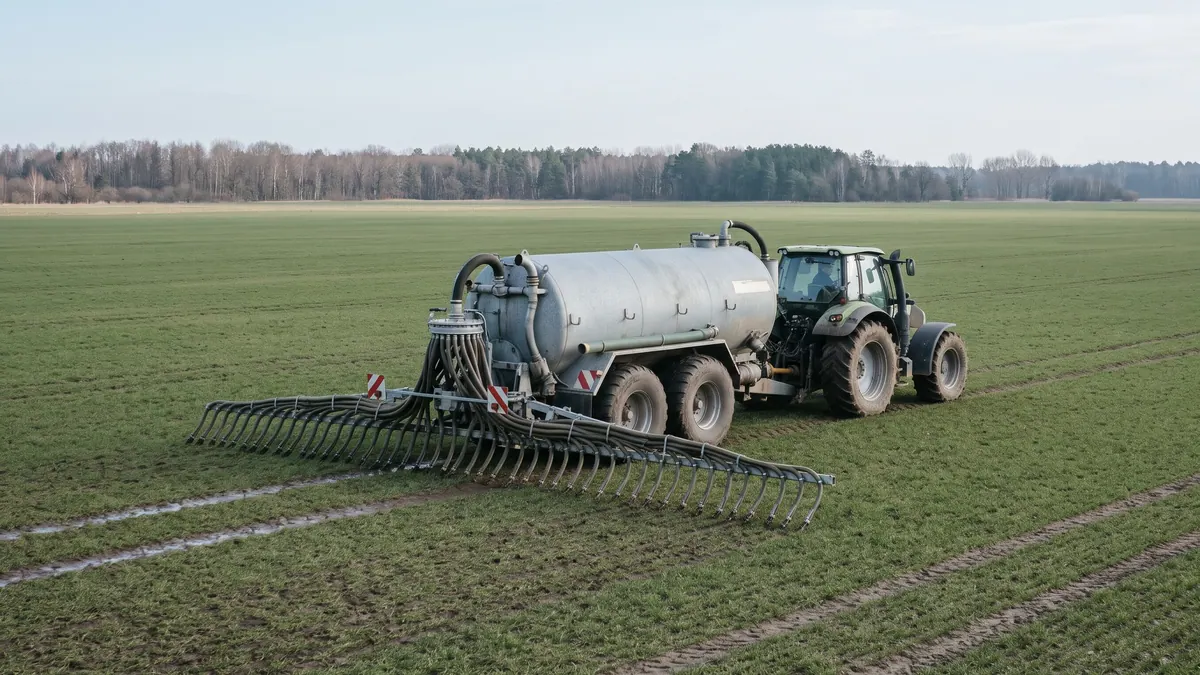
The directions considered are co-firing in power plants or cement plants, briquetting as a fuel, a soil additive and phosphorus recovery from ash after incineration. Each requires confirmation of product quality (ash, metals, chlorine, PAHs) and obtaining the relevant permits. For sewage sludge, the primary problem is rather its disposal than selling a product.
Comparison with other methods
In one sentence: pyrolysis and gasification require dry feedstock and higher temperatures, and drying is merely preparation for them; HTC works on a wet feed, but generates a process liquid. These are discussed in detail in the articles on waste pyrolysis and on digestate drying.
Maturity and assessment
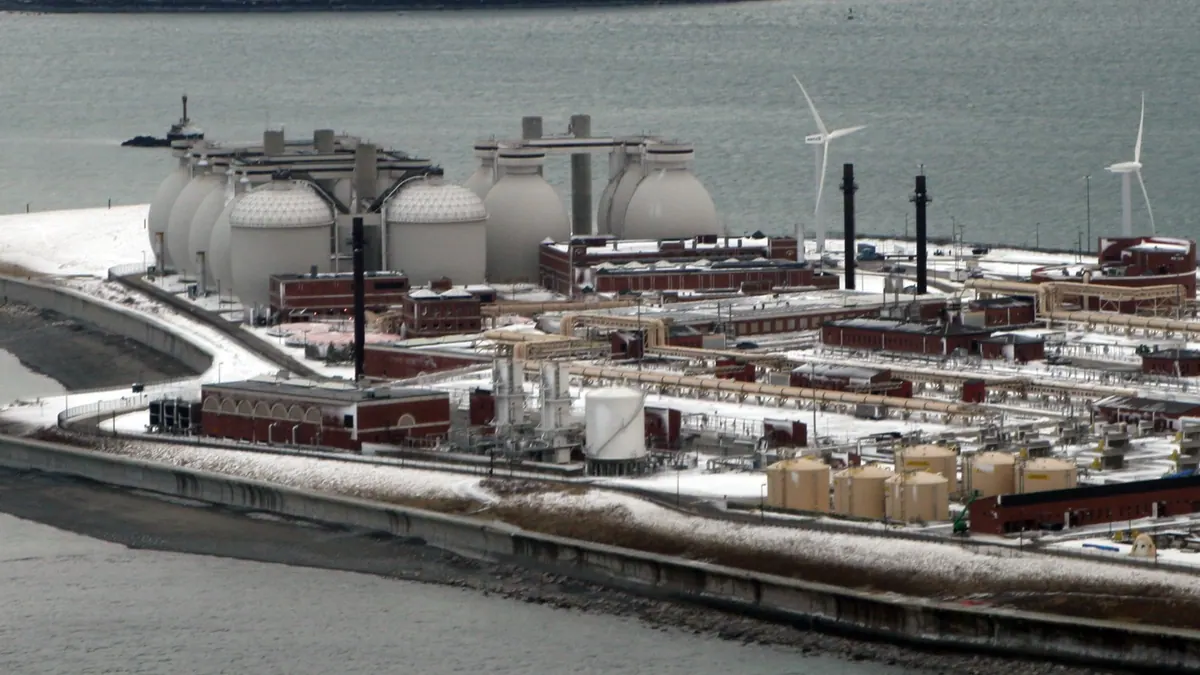
HTC operates at the scale of demonstration installations and individual commercial ones, mainly for sewage sludge, in countries where sludge disposal costs are high. For agricultural biogas plants the maturity is lower and profitability harder to demonstrate. Therefore, when considering this technology, ask the questions from the guide How to assess a new technology: operating time, scale, references on a similar feedstock and how the process liquid is managed. Also compare with the simpler ways of managing digestate described in the article on separation.
What to look for in an offer
If someone proposes HTC for digestate, ask for a mass and energy balance that includes the process liquid, for data on hydrochar quality (ash, metals, chlorine) and for the identification of a buyer for the product. Also ask for how long the installation has operated without interruption on a similar feedstock and how the liquid was managed. A lack of answers to these questions is a sign that the technology is still at the research stage, even if the offer uses the word "commercial".
Sources
Related articles