
BiohydrogenAnalysis
Biohydrogen realistically: dark fermentation, biogas reforming and electrolysis at a biogas plant
Three routes to hydrogen from biomass and waste: dark fermentation, biogas reforming and electrolysis at a biogas plant. Where this makes sense today and where it still needs to mature.
Other language versions: Polski, Deutsch, Español, Français, Italiano, Nederlands.
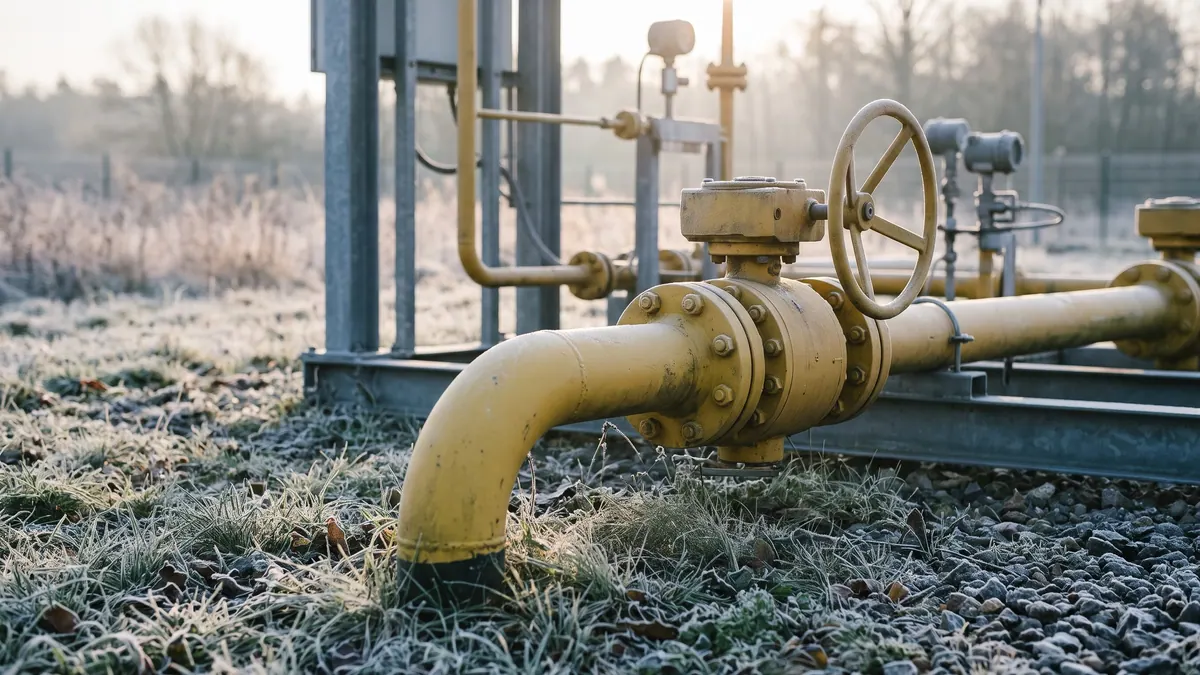
Hydrogen is sometimes presented as the solution that will replace everything, or as a technology that will never pay. The truth lies in between and depends on the application. Hydrogen from biomass and waste, called biohydrogen, is one piece of the energy puzzle that can make sense where there is a customer and the feedstock is cheap and local. On a day devoted to energy self-reliance, it is fitting to assess it without enthusiasm and without prejudice, on the basis of the balance.
Three different things under one name
The term “biohydrogen” covers three separate routes of differing maturity. You will find a general overview in the article Biohydrogen: what it really means and what the production pathways are. Below we discuss them in terms of usefulness near a biogas plant.
Dark fermentation: interesting, but early
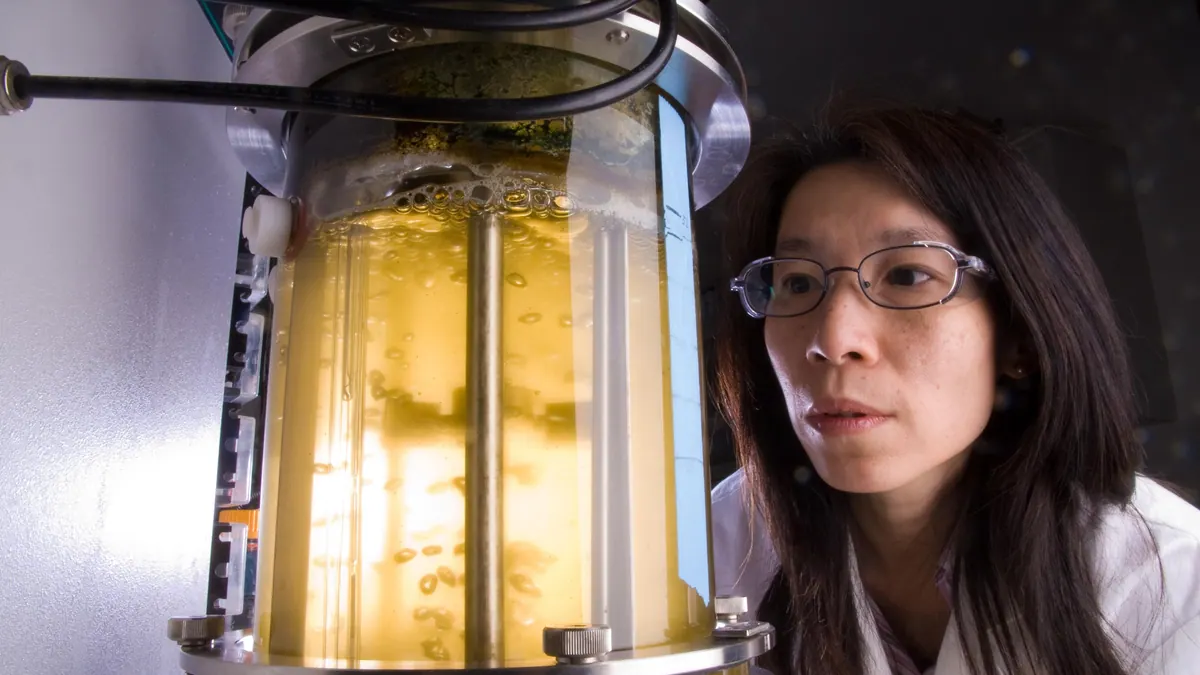
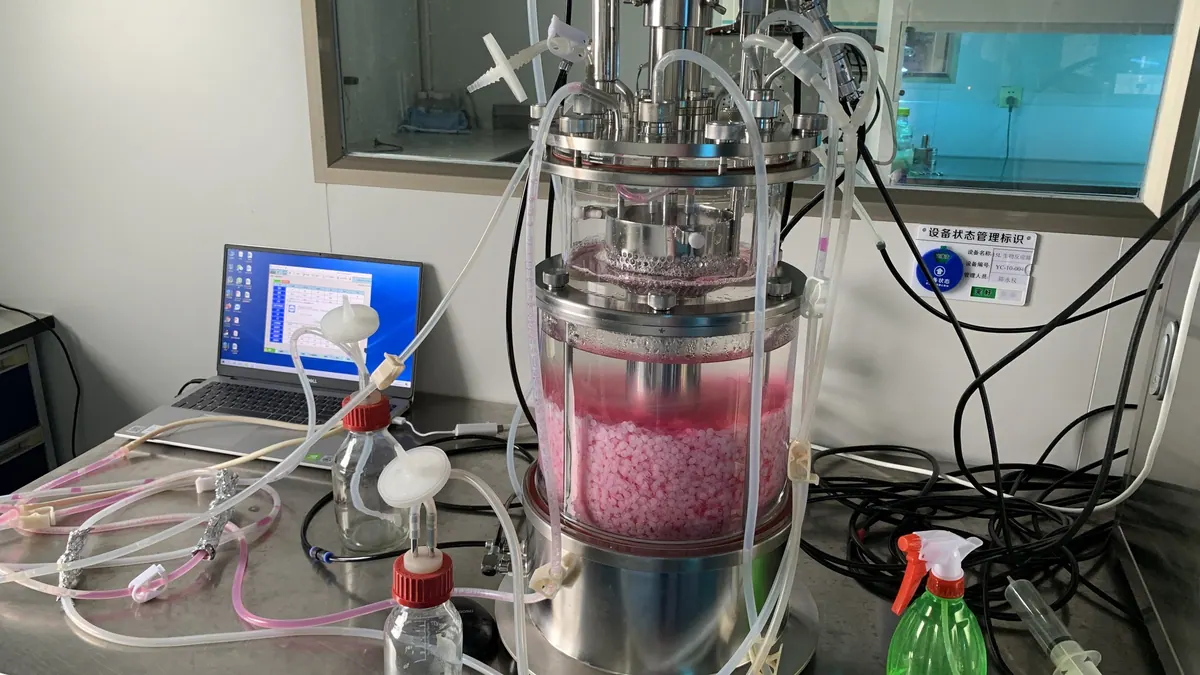
In dark fermentation, bacteria break down sugars without light and oxygen, producing hydrogen and volatile fatty acids. The theoretical limit is four moles of H₂ per mole of glucose and corresponds to the acetic acid pathway; with the butyric acid pathway it is two moles. In practice, when other products also form (e.g. lactates, ethanol) and part of the hydrogen is consumed in side reactions, the yield is clearly lower, indicatively of the order of one to two moles. What remain are acids, in which most of the substrate's energy still sits, which is why the two-stage concept combines a hydrogen stage with a second, methane stage. The advantage is the use of waste rich in easily degradable sugars; the disadvantages are process instability, the low hydrogen concentration in the gas and the cost of purifying it. The details are described in the article Dark fermentation: hydrogen from organic waste, yield and limitations. The technology is at the research and pilot stage; at industrial scale it is not widely used today.
Reforming of biogas and biomethane
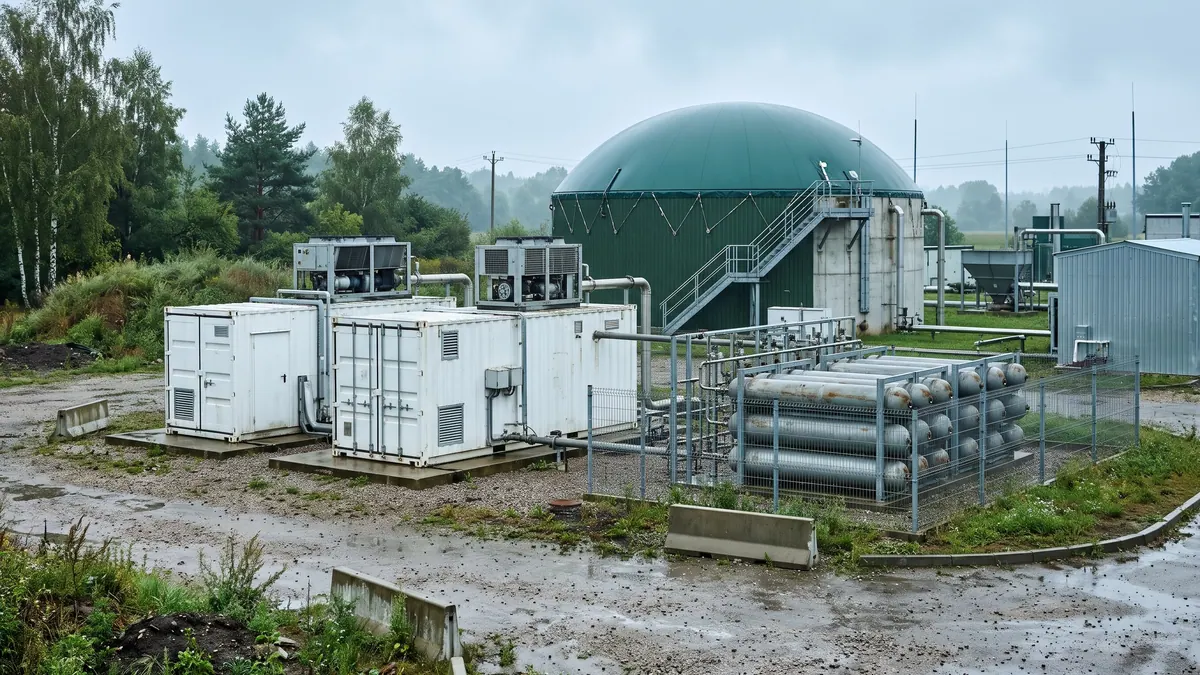
Steam reforming converts methane and steam into hydrogen and CO₂. Technically it is a mature process, known from the natural gas industry, and fed with biomethane or biogas it gives hydrogen from a renewable source. However, every mole of methane that we convert into hydrogen is lost as biomethane, and the conversion efficiency is below 100%. Such a process makes sense when:
- the customer needs hydrogen, not methane, for example in an industrial process,
- the CO₂ that is formed, which is of biogenic origin, can be captured and put to use,
- lack of access to the gas grid makes it impossible to sell biomethane.
The balance is described in the article Steam reforming of biogas and biomethane to hydrogen: balance and CO₂. An example of integrating slurry, biomethane and hydrogen from Japan is shown in the article Shikaoi in Hokkaido.
Electrolysis at a biogas plant
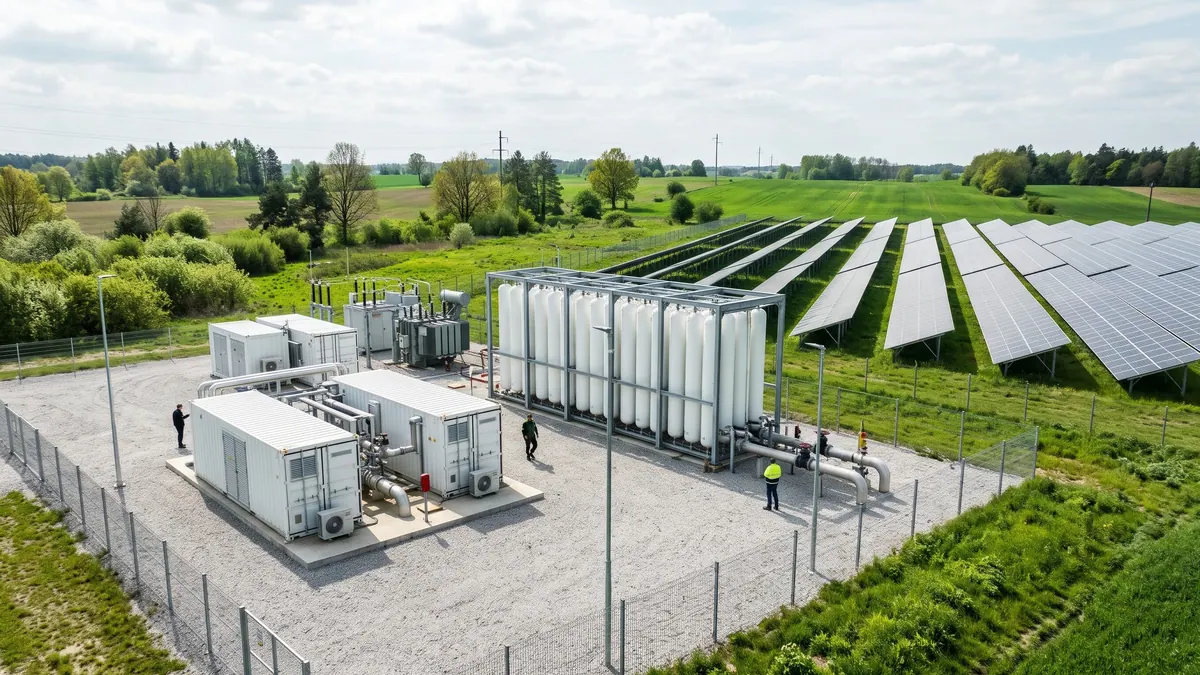
An electrolyser splits water into hydrogen and oxygen using electricity. At a biogas plant it offers three additional possibilities: using the oxygen (e.g. for micro-aeration in desulphurisation or for polishing water), using the waste heat from the electrolyser, and combining the hydrogen with biogenic CO₂ in methanation, which we described in the text Methanation and power-to-gas with biogenic CO₂. However, hydrogen from electrolysis is only as renewable as the electricity is, and delegated regulation 2023/1184 sets conditions for renewable fuels of non-biological origin (RFNBO), such as additionality and temporal correlation. The electrolyser's energy consumption is indicatively of the order of 50–55 kWh per kilogram of hydrogen (an approximate value, depending on technology and operating conditions), against a calorific value of hydrogen of about 33 kWh/kg. This means that the cost of electricity and the number of operating hours decide profitability. With infrequent operation in periods of cheap surpluses, the capital cost is spread over a small quantity of product.
Where hydrogen makes sense and where not yet
| Application | Assessment |
|---|---|
| Hydrogen for an industrial process near a biogas plant | possible if the customer is steady and close; requires cost analysis |
| Hydrogen for heavy transport in the region | possible in niches with refuelling infrastructure; limited scale |
| Blending with biomethane in the grid | limited by regulations and appliances; requires arrangements with the operator |
| Hydrogen from dark fermentation as the main product | early technology: research and pilots, no widespread deployments |
| Methanation of hydrogen with CO₂ (power-to-gas) | under development; profitability depends on the price of electricity |
| Hydrogen instead of biomethane as an ordinary fuel | usually less favourable, because biomethane benefits from ready infrastructure |
The guiding rule: hydrogen makes sense where there is a specific customer, not as an end in itself. At most agricultural biogas plants biomethane, or electricity and heat, will deliver a better result, and hydrogen will appear when the market and technology mature.
Dependence and independence
Hydrogen is not a primary fuel: it has to be produced, and that requires energy or feedstock. Its contribution to a country's self-reliance therefore depends on where that input comes from. Hydrogen from domestic waste and domestic renewable energy can be an element of local independence; hydrogen produced from imported gas weakens it. Honesty requires stressing that long operating experience is still lacking for the key decisions. It is therefore worth following pilot projects, learning from their results and not promising more than measurements have confirmed.
Articles in the series worth returning to: Energy independence starts locally and Biomethane as a domestic fuel.
Sources
Questions and answers
Can hydrogen be blended with biomethane in the grid?
Blending is limited by the grid operator's requirements, standards and the tolerance of end-use equipment. The permissible share depends on the specific grid and installation, and therefore requires separate arrangements.
Is biohydrogen the same as green hydrogen?
Not always. Green hydrogen usually means hydrogen from electrolysis powered by renewable electricity. Biohydrogen is hydrogen from biomass or biogas, so it includes fermentation and reforming. Both can be recognised as renewable, but on different formal conditions.
Related articles