

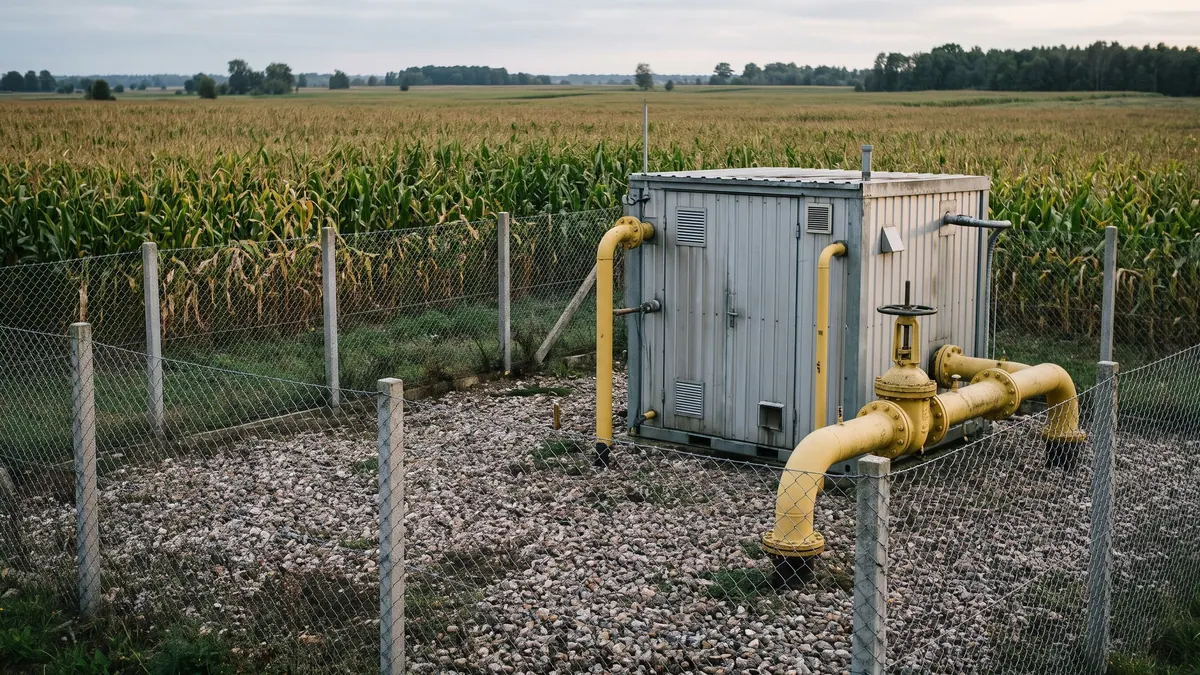
Denmark: biomethane covers over 20% of gas consumption from the grid
Operator Energinet reported that by the end of 2020 biomethane injected into the grid made up over 20% of Danish gas consumption, and on a single summer day the share exceeded 40%.
813 articles on biogas, biomethane, bioLNG, biohydrogen, waste-to-energy, waste and regulation — since December 2019. Filter by category, type, year and tag.
RSSOperator Energinet reported that by the end of 2020 biomethane injected into the grid made up over 20% of Danish gas consumption, and on a single summer day the share exceeded 40%.
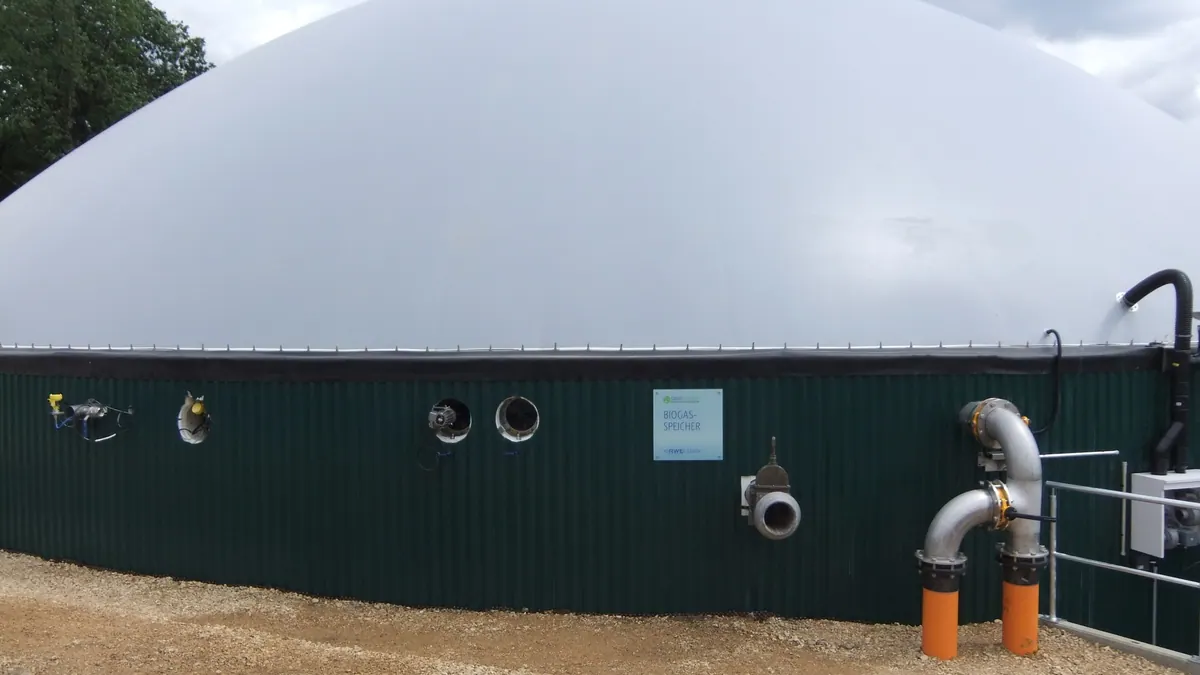
In mid-December 2020 the Bundestag adopted an amendment to the Renewable Energy Sources Act (EEG 2021), applicable from 1 January 2021. For biogas, the southern quota in tenders and the bonuses for small slurry plants are important.
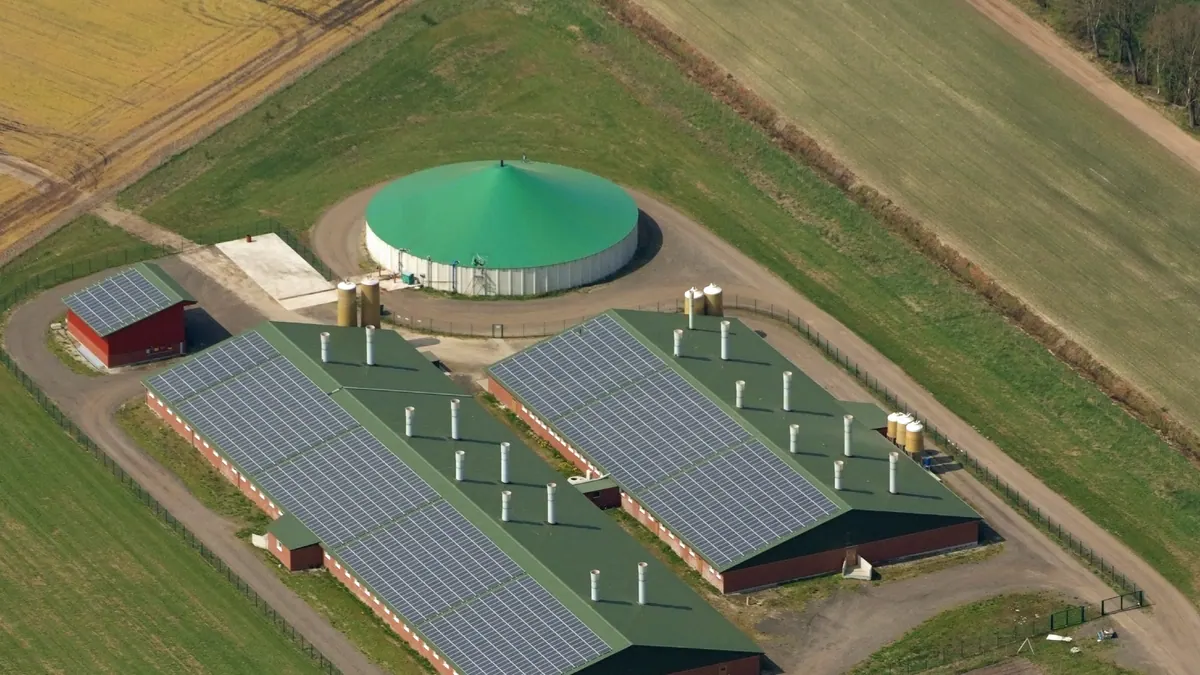
Orlen Południe has taken over a 1.99 MWe biogas plant in the Rawa Mazowiecka municipality. The installation is to be converted into a biomethane plant producing about 7 million m³ per year, with the change planned for 2022.
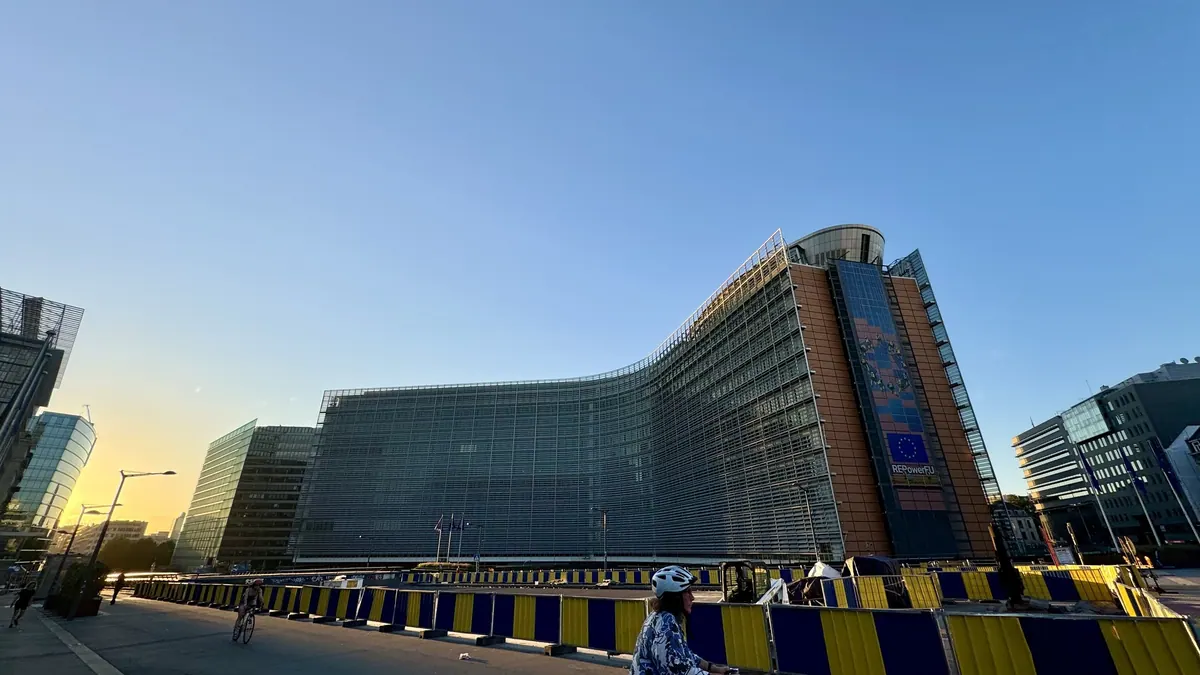
Article 29 of RED II sets out which biogas plants must demonstrate the sustainable origin of substrates and emission reductions. We explain capacity thresholds, land criteria, and the role of the mass balance and the audit.
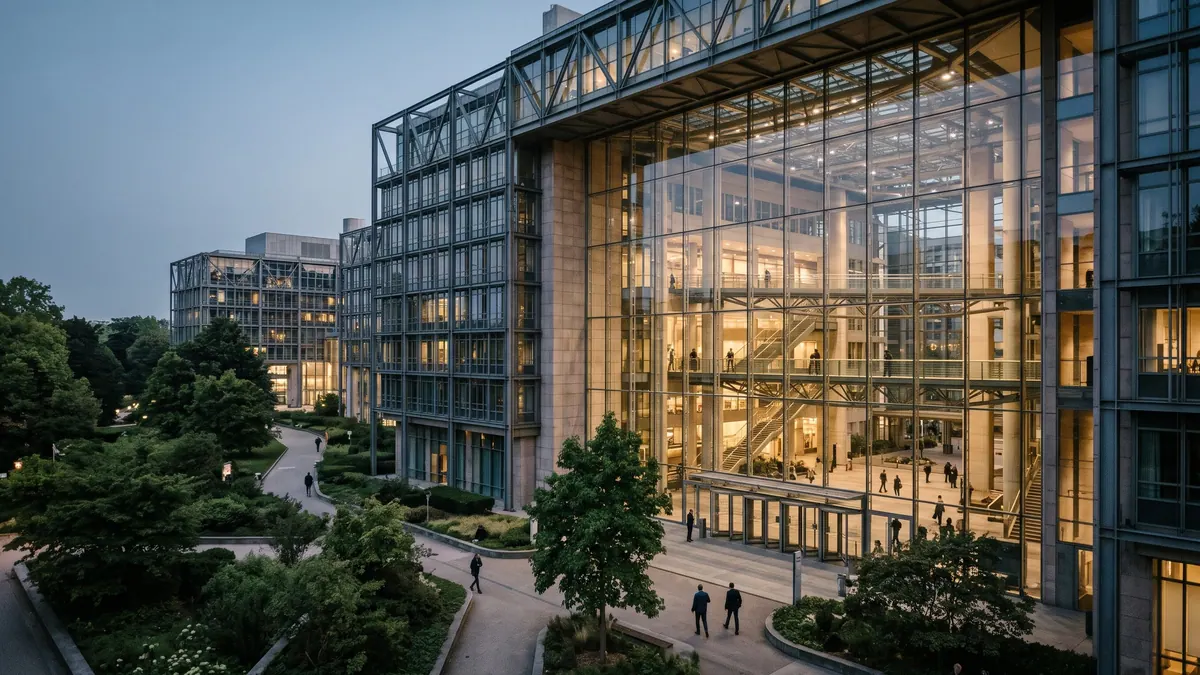
At the summit of 10–11 December 2020, EU leaders endorsed a binding target of cutting net emissions by at least 55% by 2030 compared with 1990 and announced its rapid implementation in law.
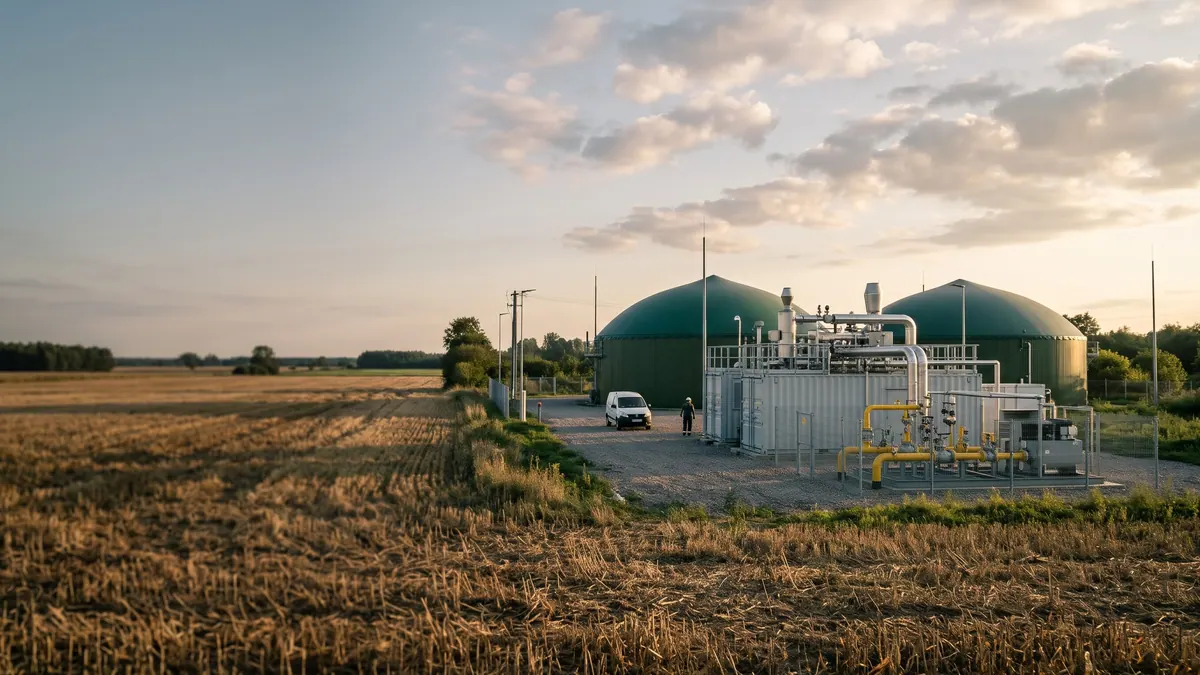
The EN 16723 standard specifies biomethane: part 1 for grid injection, part 2 as a fuel. We explain the scope, parameters and the relationship to gas quality standards and grid operator requirements.
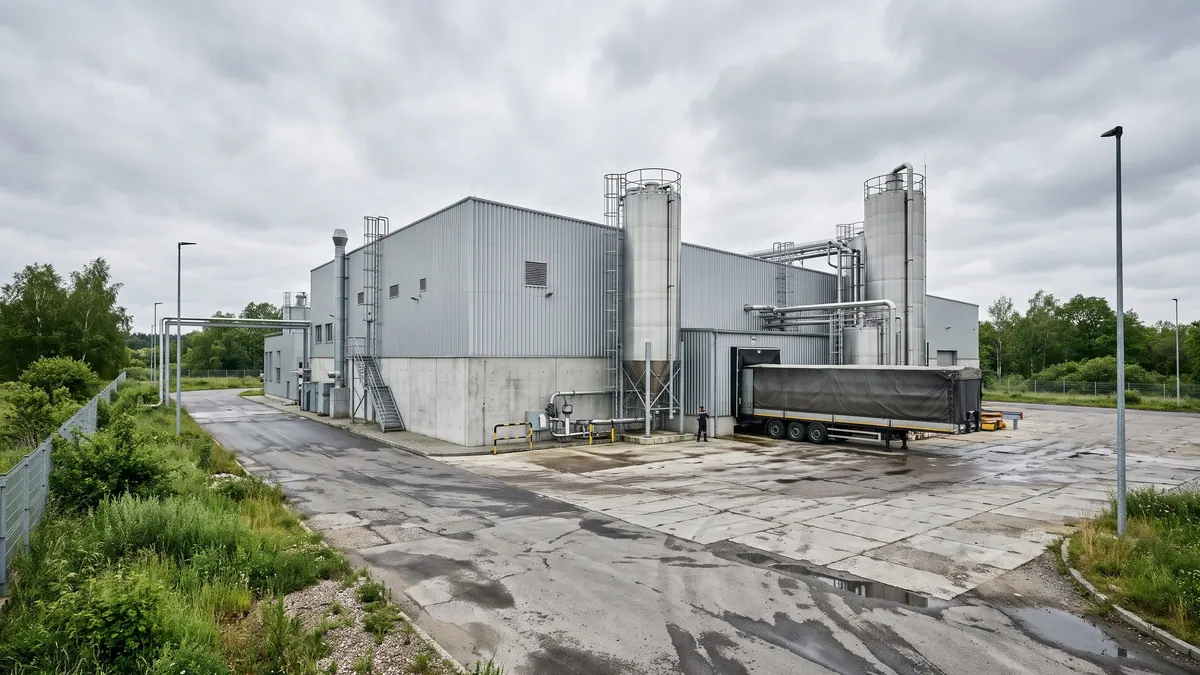
In Lagos a small biogas plant at the Ikorodu abattoir powered the facility for about six hours a day, while a project at the Karu abattoir in Abuja stalled in 2018 without the administration's consent. A review of reports on Nigerian biogas from waste.
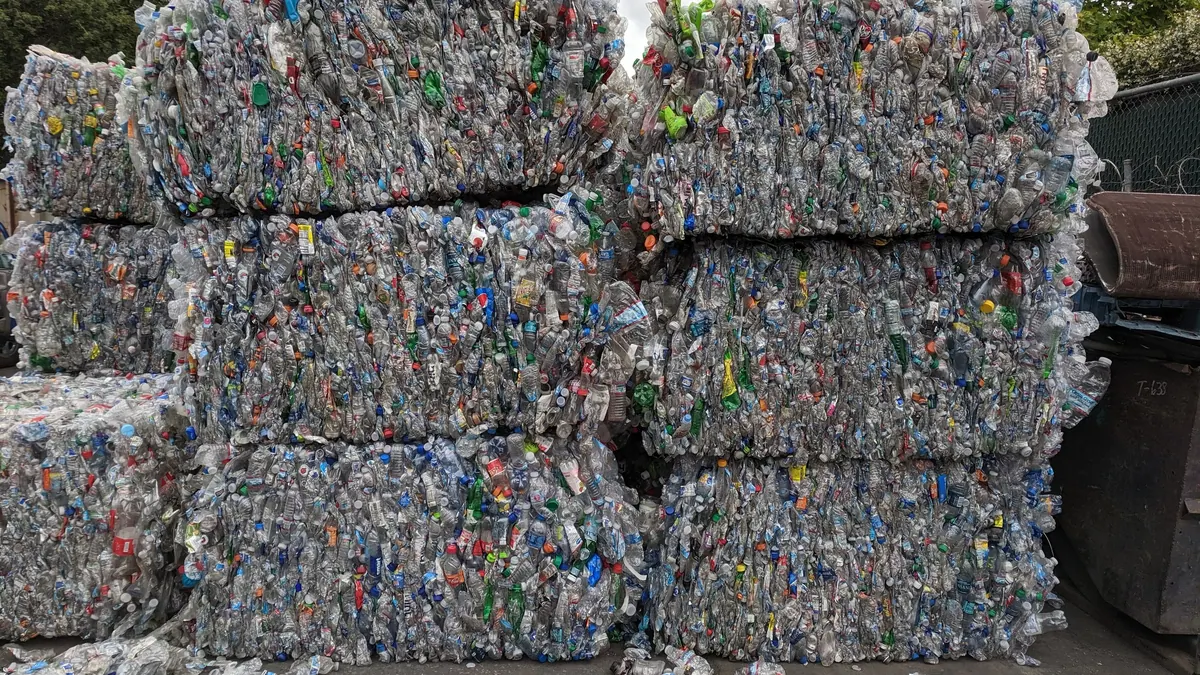
Chinese ministries announced a total ban on solid waste imports from 1 January 2021. It closes a process begun in 2017 and puts pressure on European recycling.
The NDRC and NEA announced a list of 77 biomass energy projects for 2020 with central support: 1.714 GW, a limit of 1.5 billion yuan. Biogas accounts for 13 projects and 21 MW.
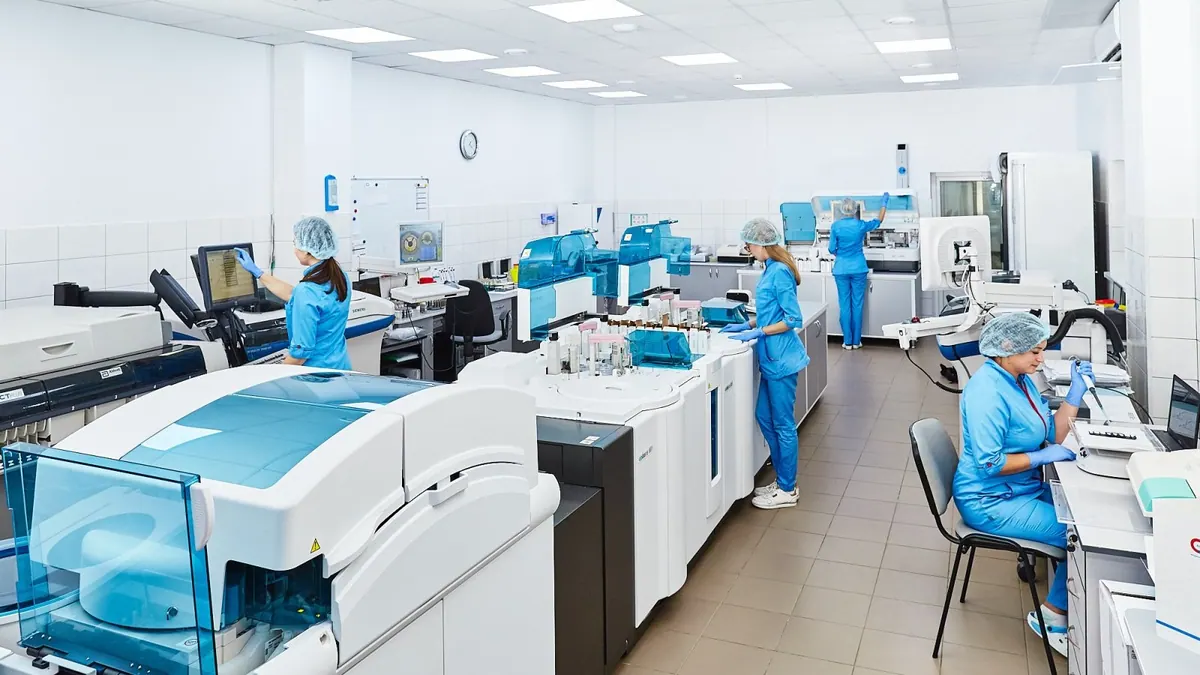
A deficiency of micronutrients can bring the process to a halt even with a correct mix. We explain the role of Co, Ni, Se, Mo, W and Fe, the symptoms of deficiency and the rules of safe supplementation.
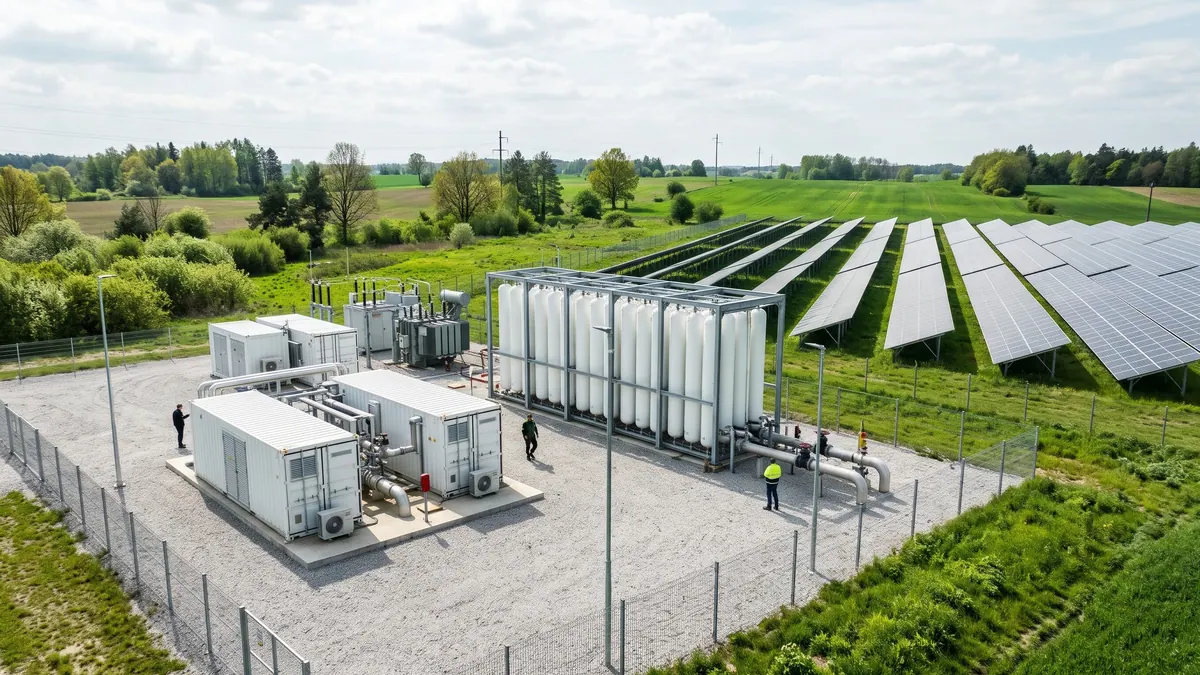
On 3 November 2020 the Chilean government presented its green hydrogen strategy: the cheapest hydrogen in the world by 2030, a place among the top three exporters by 2040 and 5 GW of electrolysis under development by 2025.
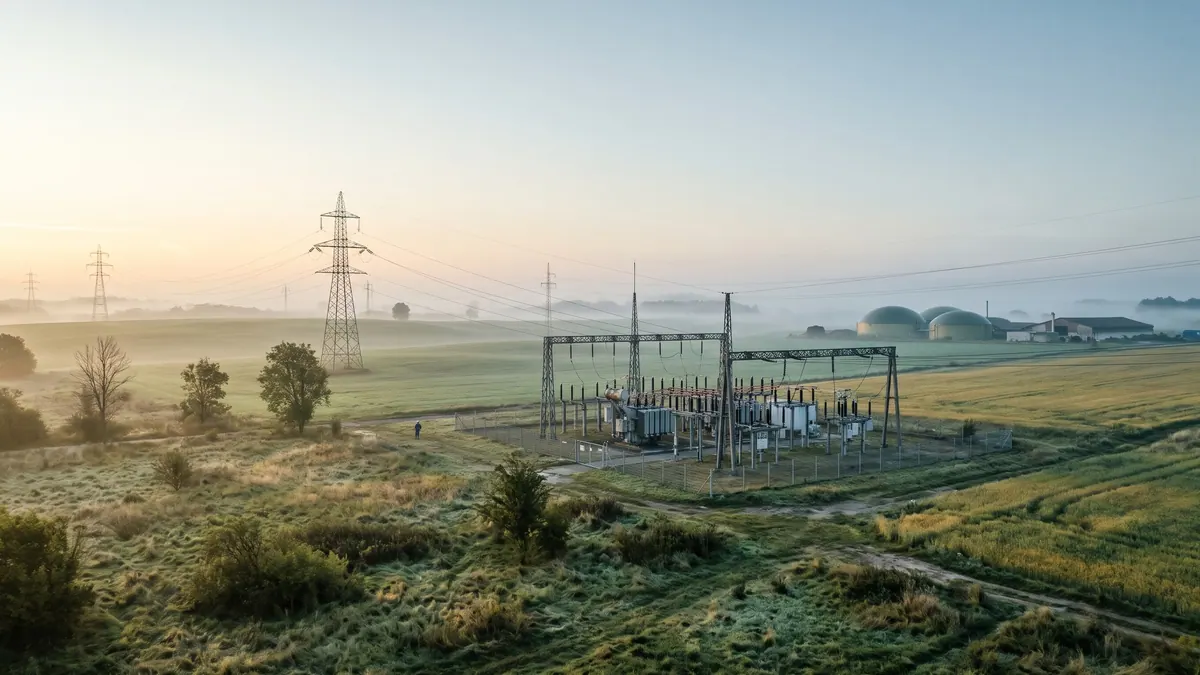
In the auction of 5 November 2020 for new installations above 1 MW (biogas other than agricultural, biomass, thermal waste treatment), 0.32 TWh was sold out of almost 11 TWh offered. Two district heating companies won.
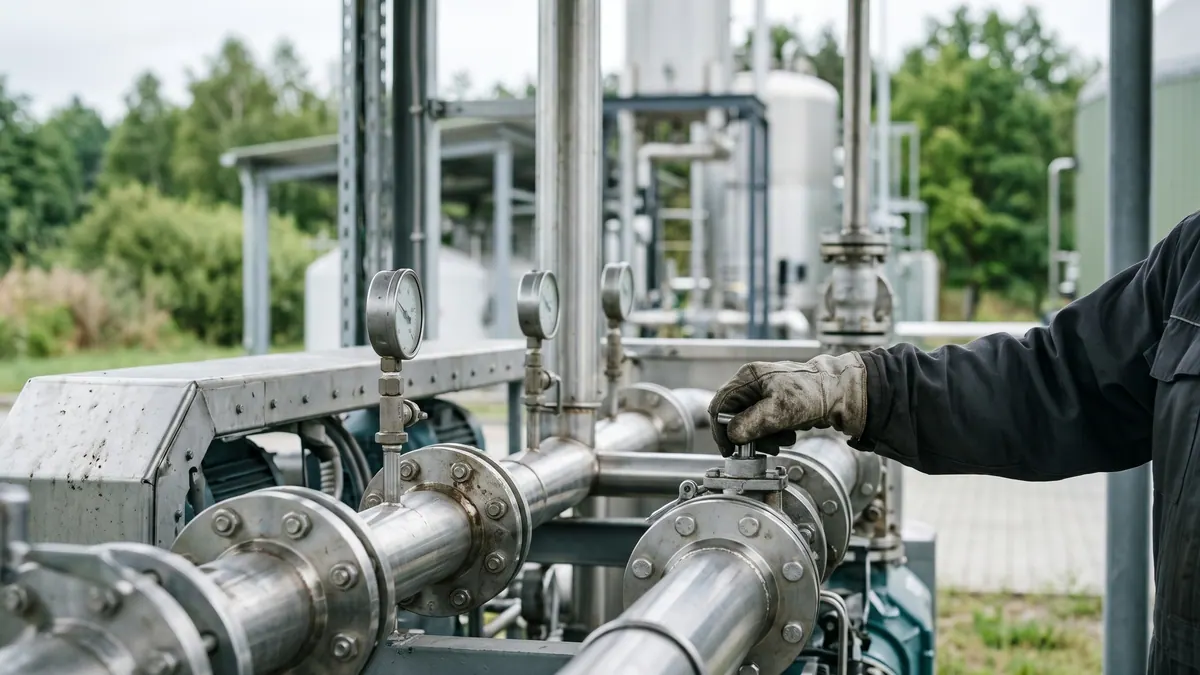
Before CO₂ separation, biogas must be dried and cleaned of H₂S, siloxanes, ammonia and VOC. We describe desulphurisation methods, the order of equipment and design errors.
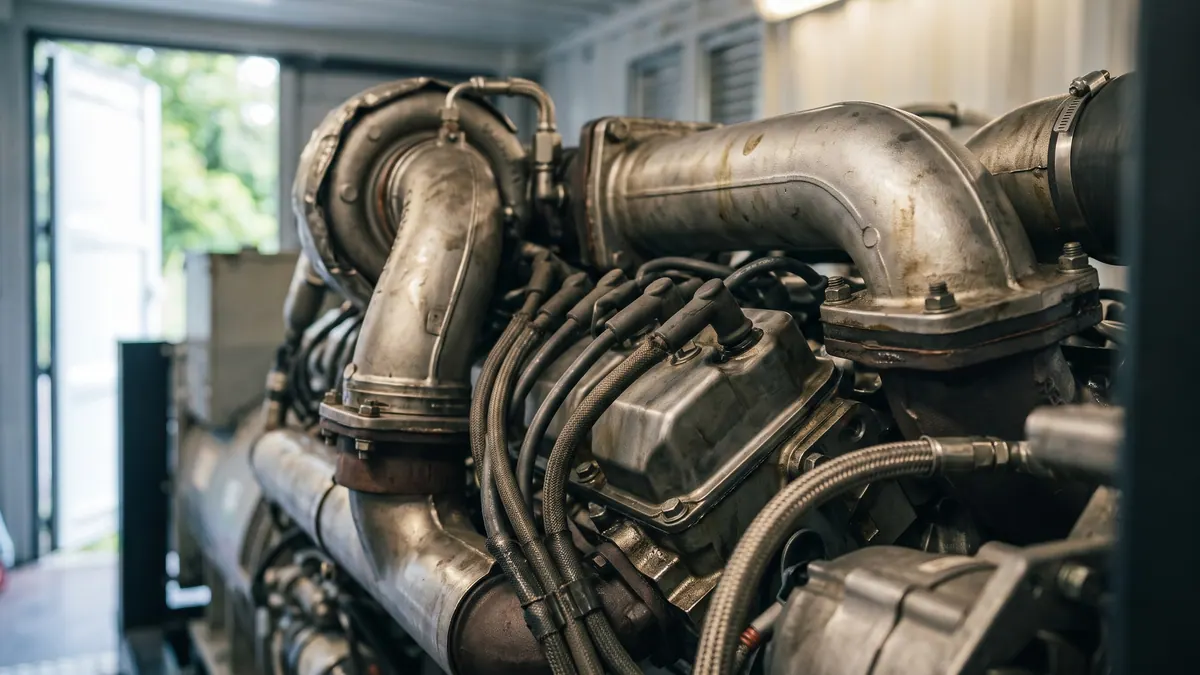
The Swedish electricity certificate system has operated since 2003 (jointly with Norway since 2012). The government decided to shorten it to 2035 (instead of 2045) and to close it to installations commissioned after 2021.
Biogas and biomethane count as renewable under RED II only once they meet a GHG emission reduction threshold: 65% in transport or 70–80% in energy. We explain the thresholds, calculation methods and mistakes.

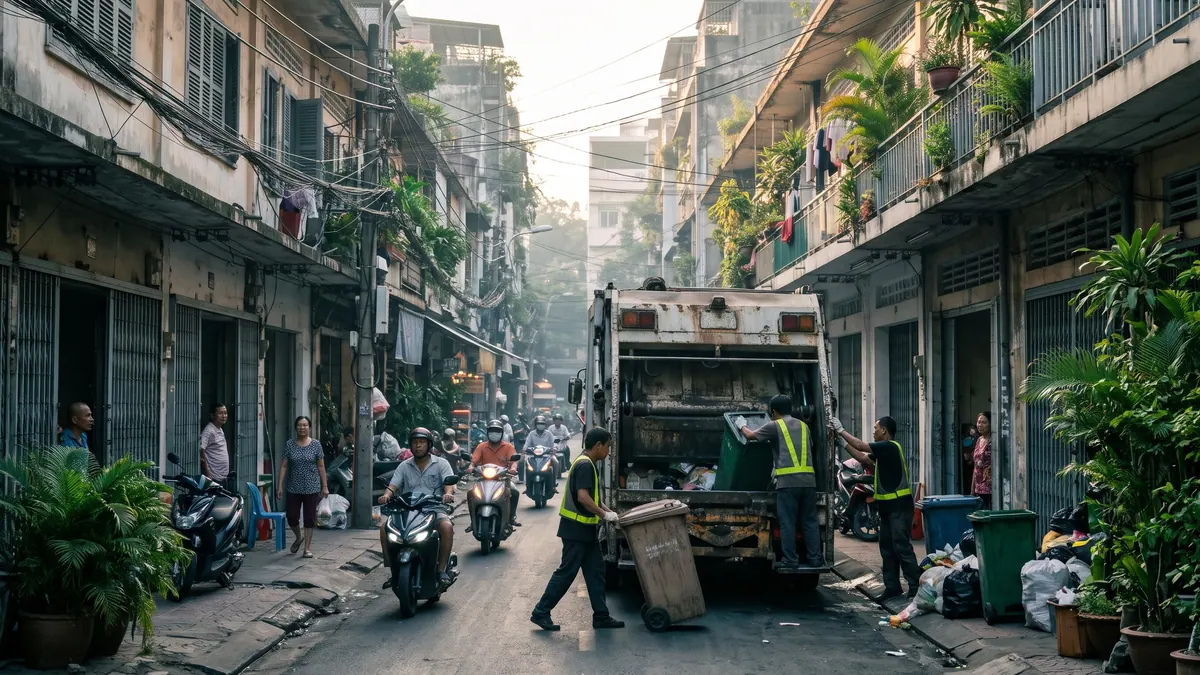
Law No. 202 of 2020 regulates the handling of hazardous and municipal waste in Egypt, introduces licences and creates the Waste Management Regulatory Authority. It is linked to the waste-to-energy tariff.
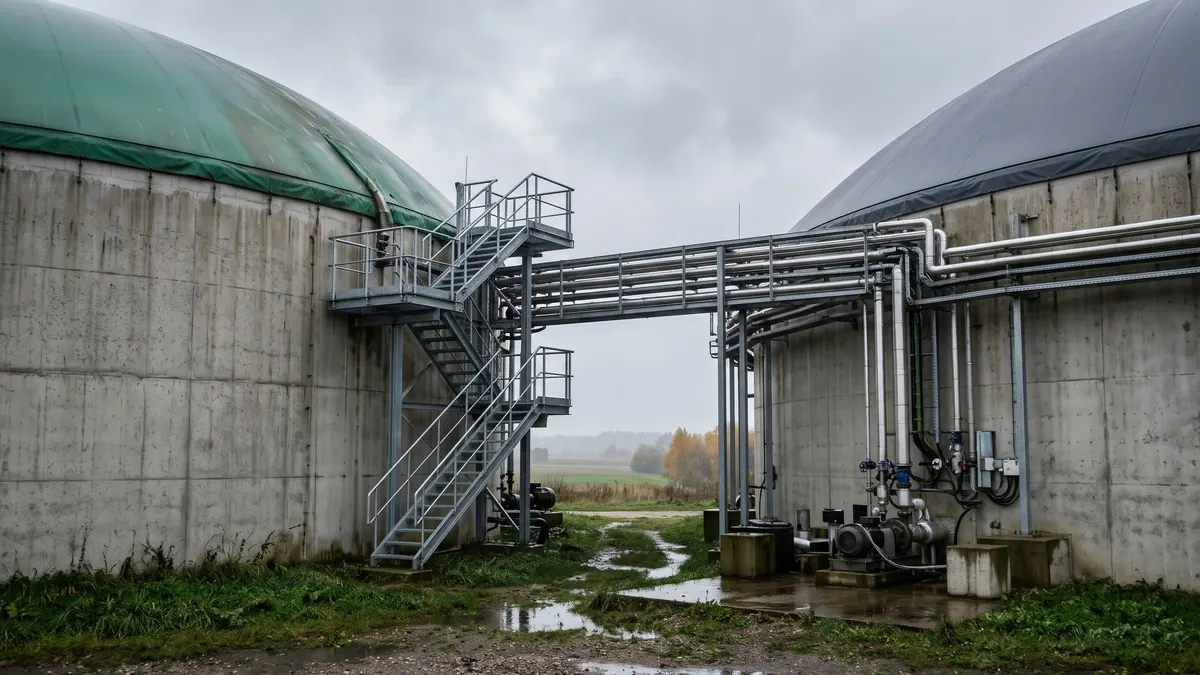
Where H₂S in biogas comes from, how it inhibits methanogenesis, what its concentration depends on and how iron binds sulphides in the digester. Indicative values and pitfalls.
Communication COM(2020) 663 announces rules for the energy sector, a plan for agriculture and waste, and an International Methane Emissions Observatory. Biogas and biomethane are identified as a way of reducing emissions.
On 13 October 2020 the minister of climate and industry representatives signed a letter of intent on a partnership for the development of biogas and biomethane. It is the start of a process leading to a sector agreement.
Municipal sewage sludge may be applied to land only if the conditions of the 2015 regulation and Article 96 of the Act on waste are met. Doses, testing, bans and other routes: composting, digestion, incineration.
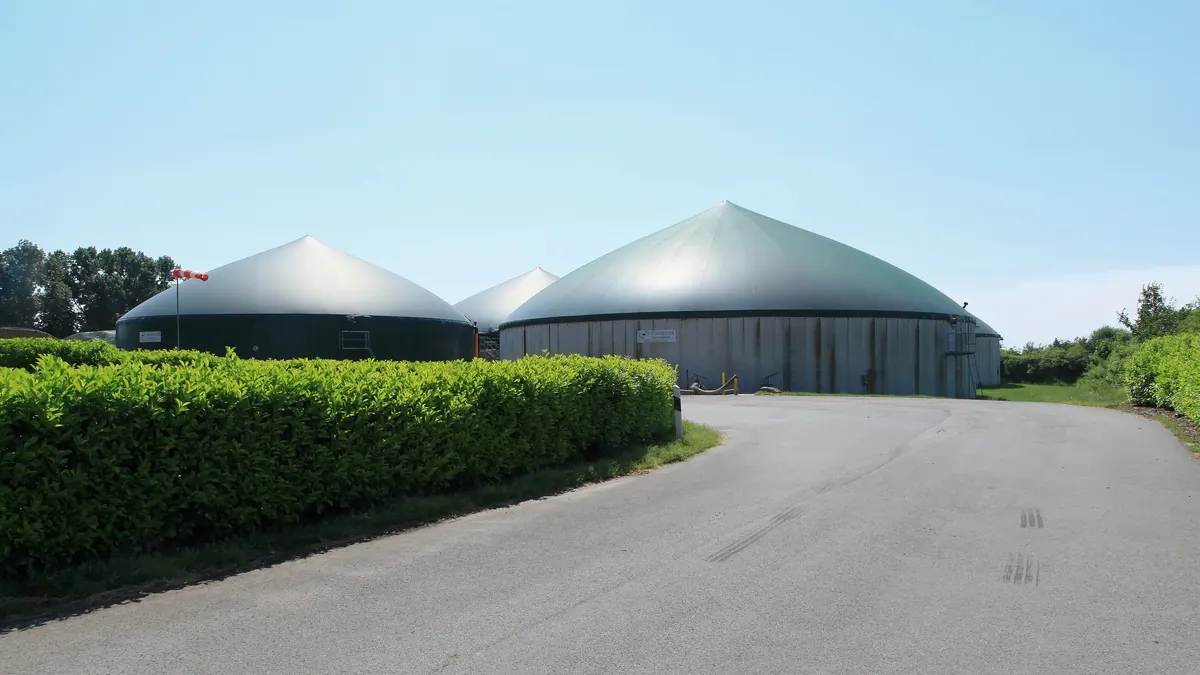
The biogas technology supplier agriKomp Polska announced the construction of four installations. Some of them may produce biomethane in future if the regulations change.
On 30 September 2020 ANP announced that 10 million CBIO decarbonisation credits had been approved under RenovaBio, that is 67% of the combined target of 14.9 million for 2019–2020.
How much energy does biogas upgrading use? We convert kWh per m³ into a share of the energy of the biomethane produced and show how to add compression to the grid and pretreatment.

In a speech at the UN, the Chinese president pledged a CO₂ emissions peak before 2030 and carbon neutrality before 2060. This is a shift from the earlier pledge of “around 2030”.