

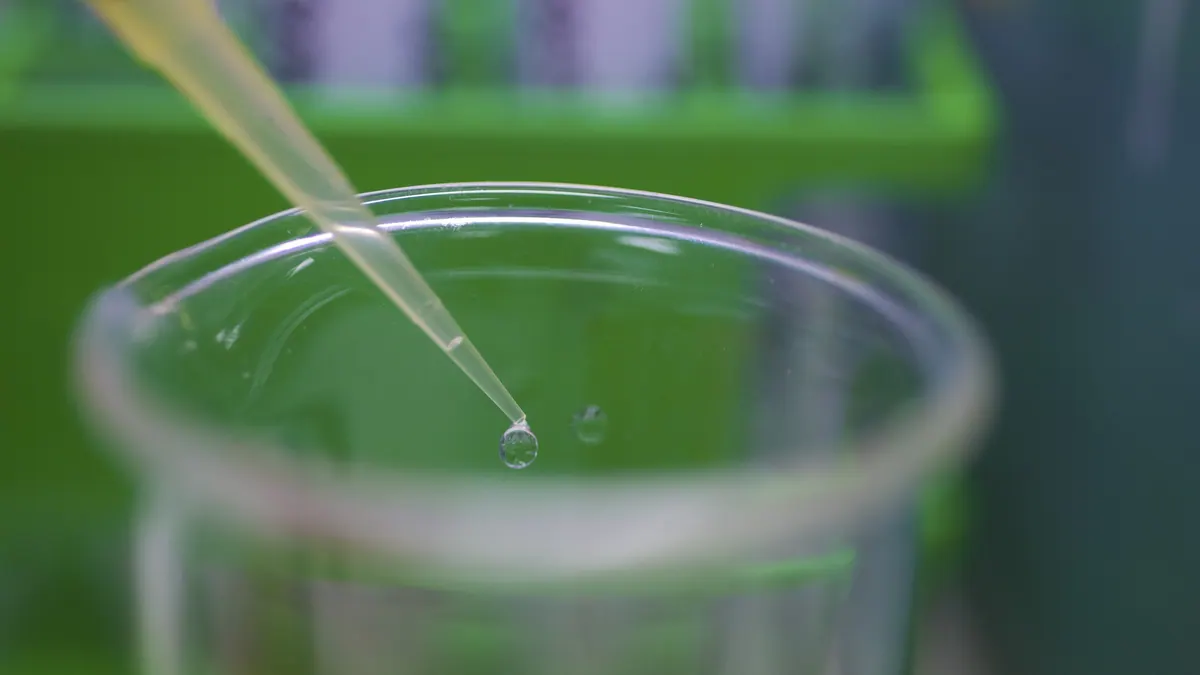
FOS/TAC in a biogas plant: how to measure, how to interpret, what not to do
FOS/TAC is the ratio of volatile organic acids to alkalinity. We explain the titration method, typical ranges, interpretation pitfalls and the role of the trend.
813 articles on biogas, biomethane, bioLNG, biohydrogen, waste-to-energy, waste and regulation — since December 2019. Filter by category, type, year and tag.
RSSFOS/TAC is the ratio of volatile organic acids to alkalinity. We explain the titration method, typical ranges, interpretation pitfalls and the role of the trend.
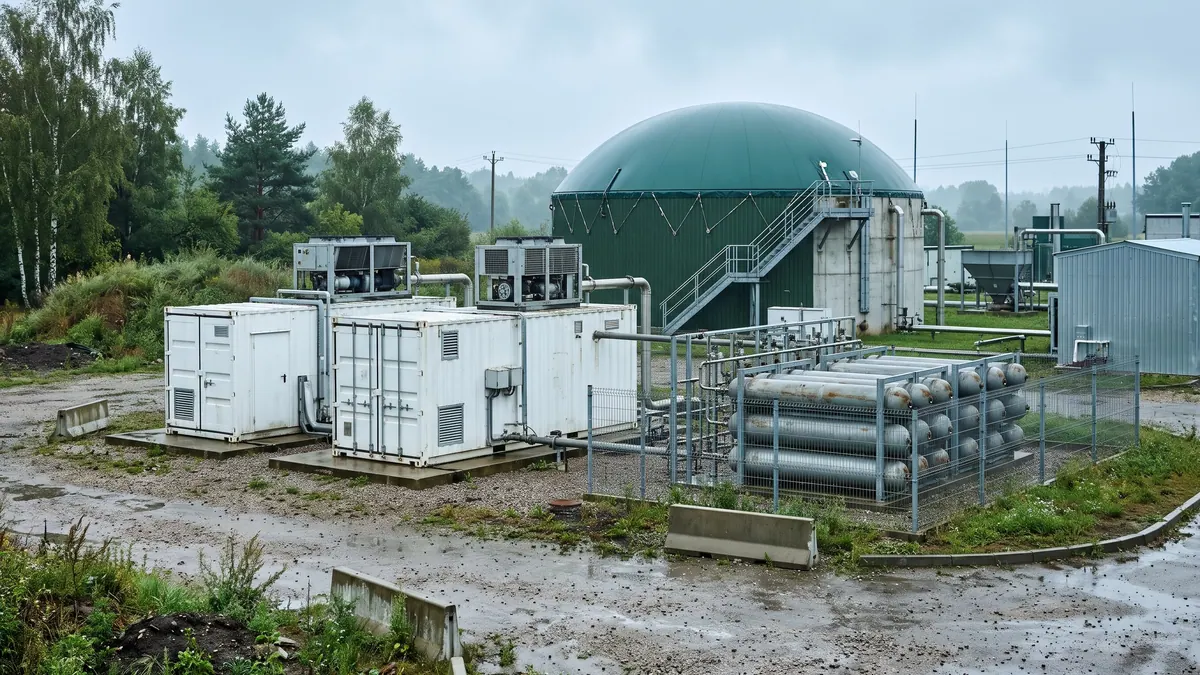
On 7 March 2020 FH2R, a 10 MW facility producing hydrogen from solar energy and the grid, at up to 1,200 Nm³/h, was officially opened in Namie (Fukushima).
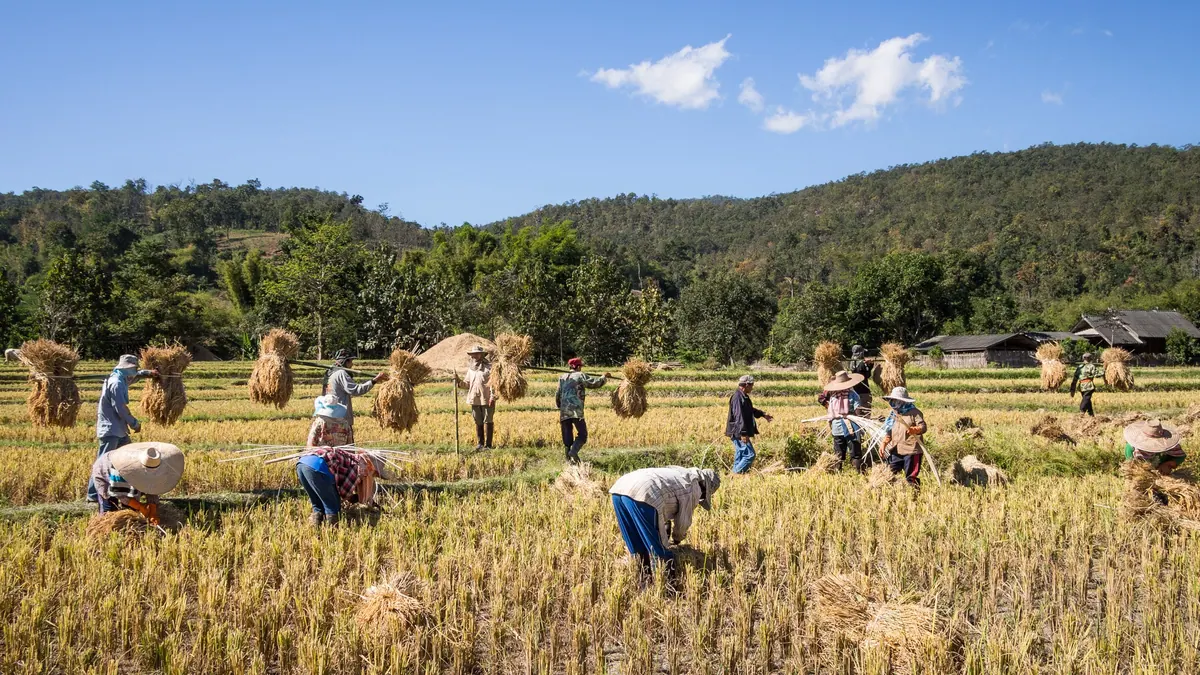
Decision 08/2020/QD-TTg raises the Vietnamese biomass tariff: 7.03 USD cents/kWh for cogeneration and 8.47 cents for non-CHP sources, for 20 years from commissioning. It enters into force on 25 April 2020.
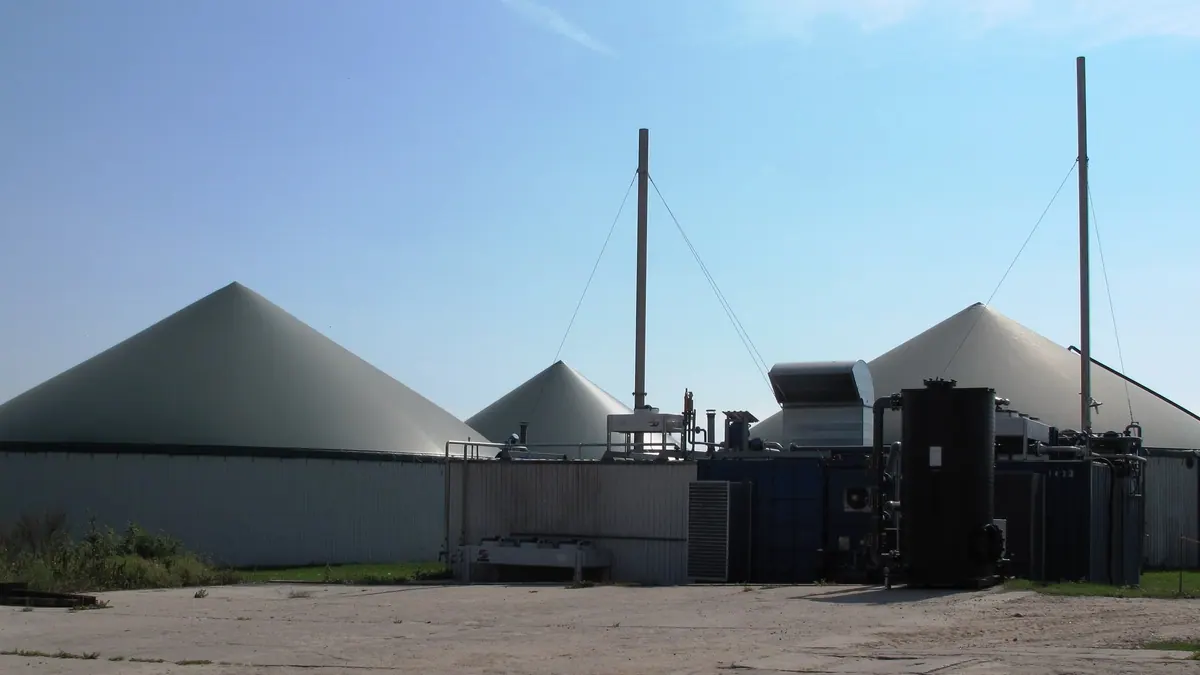
The IEA special report "Outlook for biogas and biomethane: Prospects for organic growth" estimates that full use of the sustainable potential could cover about one fifth of global gas demand.
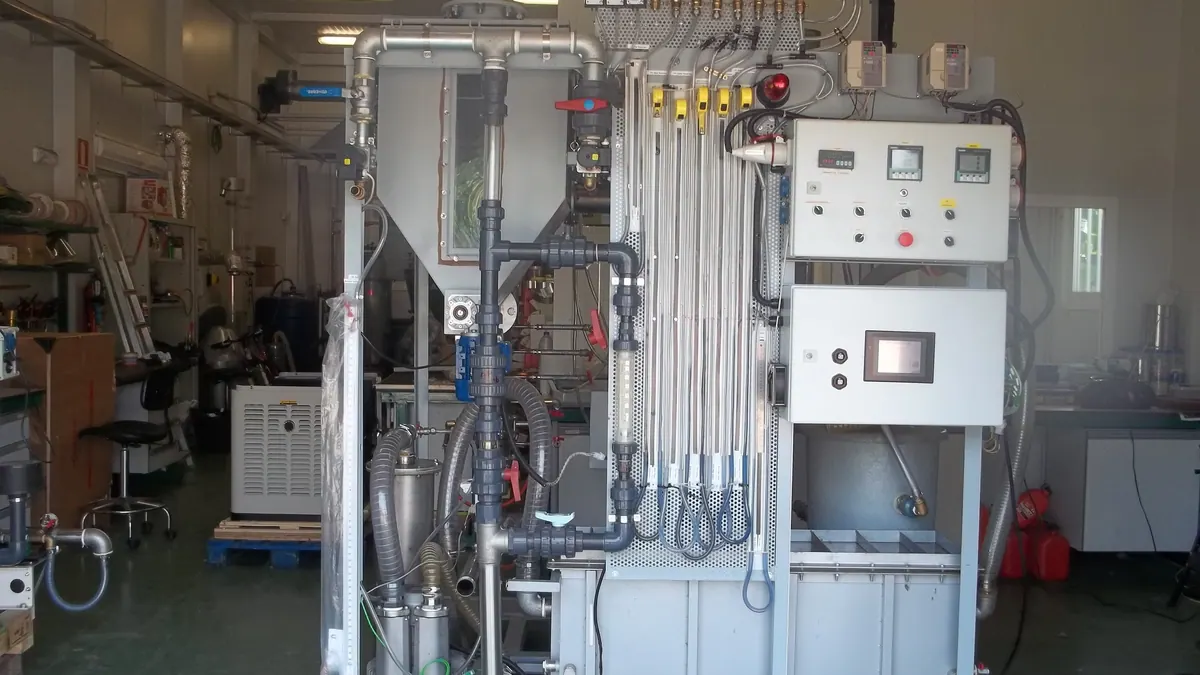
Pyrolysis is the thermal decomposition of waste without oxygen into gas, oil and char. We show the types of process, the product balance, the barriers to scaling up and what to realistically expect from the technology.
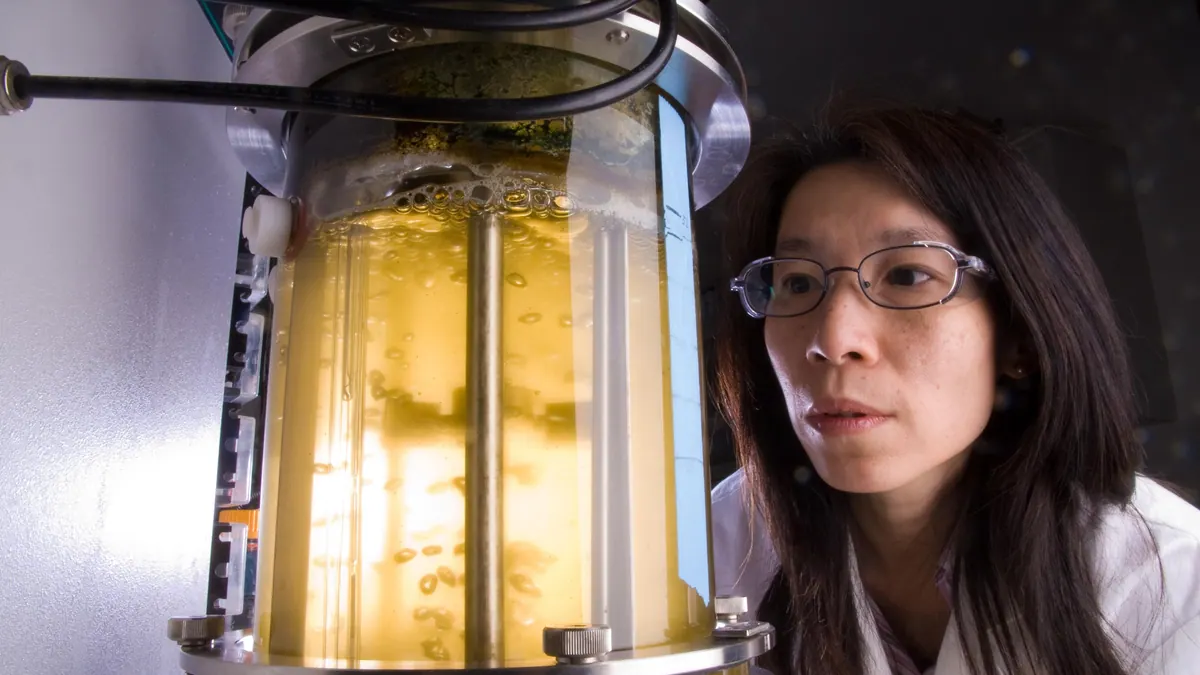
In 2019 ARENA announced up to 9.41 million AUD for Hazer Group for a demonstration plant at the Woodman Point treatment plant (Perth), which is to produce hydrogen and graphite from biogas.

PSA separates CO₂ from methane using cyclic adsorption on a molecular sieve. We discuss the phases of the cycle, methane losses, pretreatment requirements and typical problems.
On 9 March 2020 the TEG expert group published its final report on the EU taxonomy of sustainable investment. It covers criteria for biogas production and the digestion of biowaste and sewage sludge.
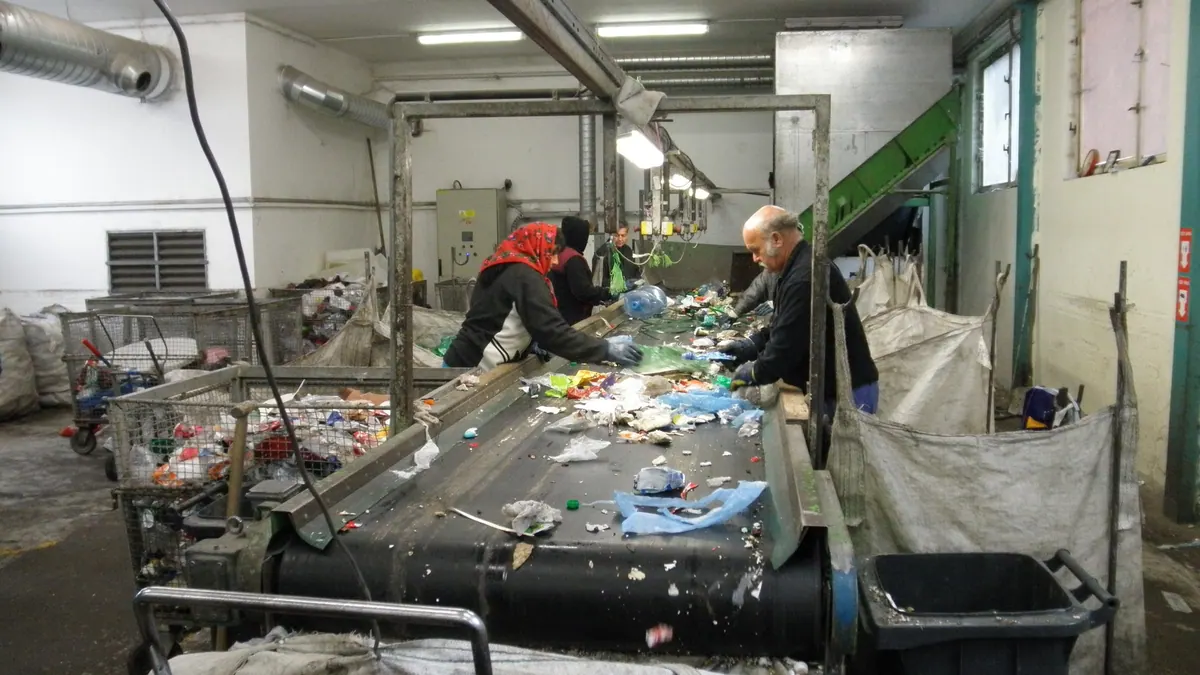
Communication COM(2020) 98 announces 35 initiatives, including waste reduction, halving the amount of residual municipal waste by 2030, and nutrient management.
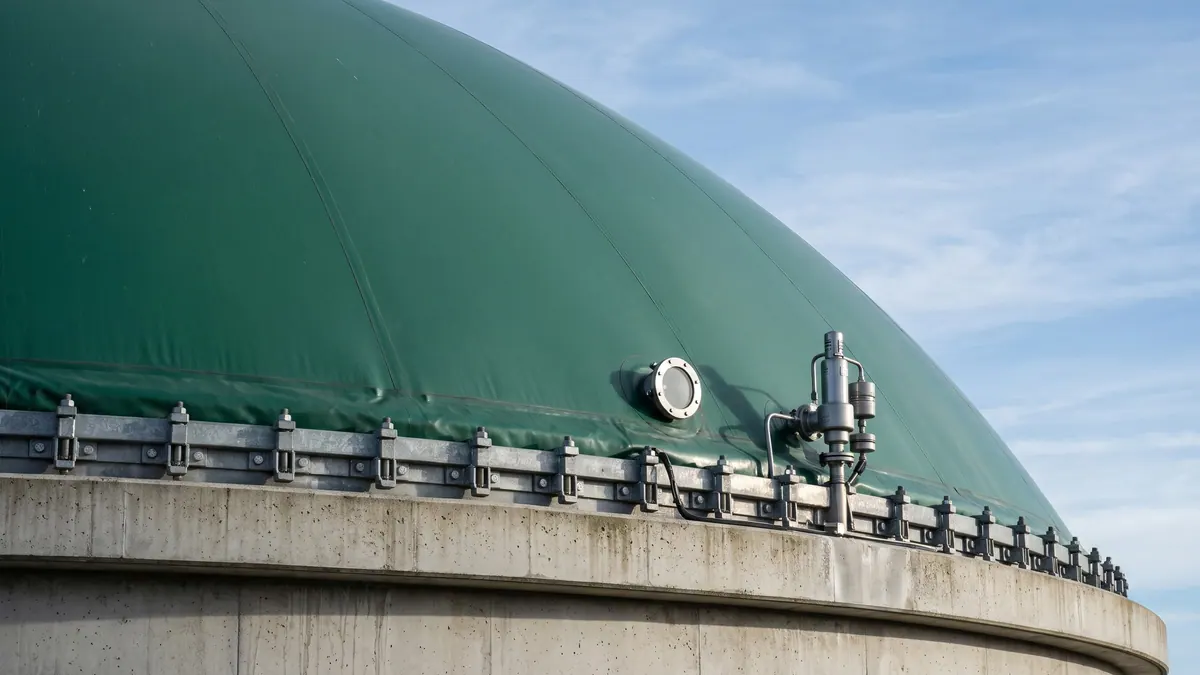
The first commercial cattle manure biogas plant in South Africa, about 4.4–4.6 MW, started up in October 2015 and sells electricity to the BMW factory in Rosslyn. What does it mean for the market?

A summary of the results of the RenovAr programme according to the Argentine government (as of August 2018): 147 projects and 4,466.5 MW in rounds 1, 1.5 and 2, including 36 biogas, 4 landfill gas and 18 biomass projects.
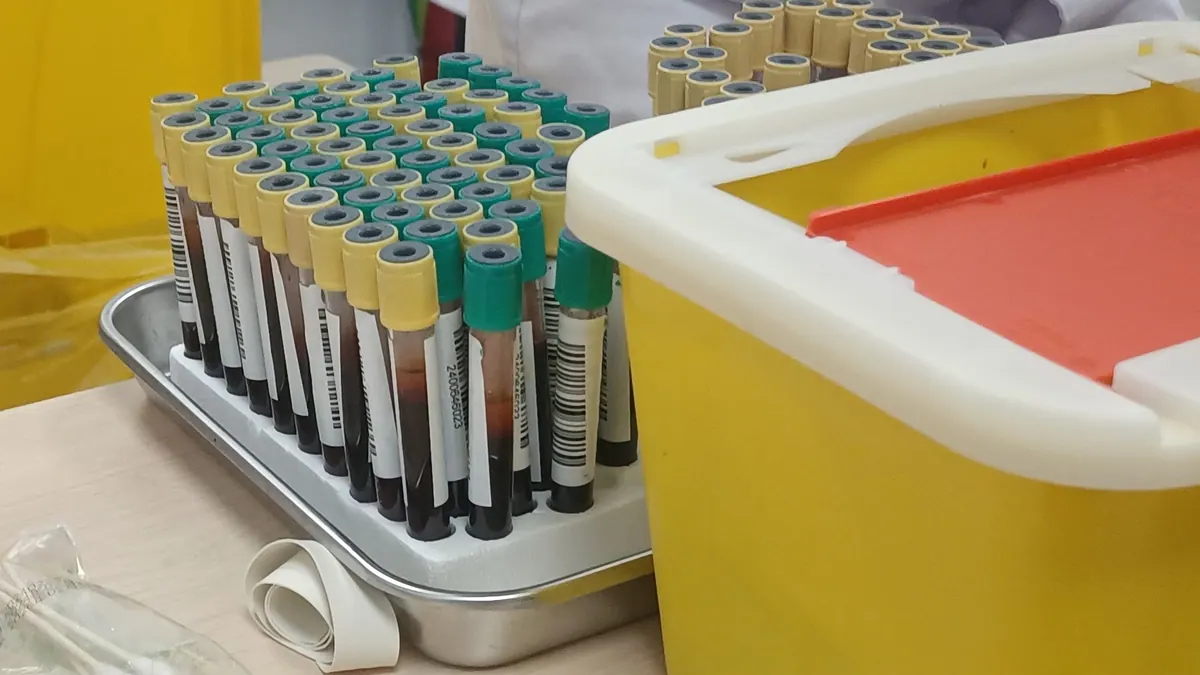
In agricultural biogas plants pH is usually in the range 7.0–8.2. We explain the role of the buffer, the measurement, and why pH is a lagging indicator.

In Lithuania installations up to 10 kW receive a fixed tariff, while larger ones, including biogas plants, must win a market premium auction. Biogas injected into the grid has a separate regulator tariff system.
Proposal COM(2020) 80 is to turn the declaration of December 2019 into a binding provision. The Commission also announced that by September 2020 it would present a proposal for a new 2030 target.
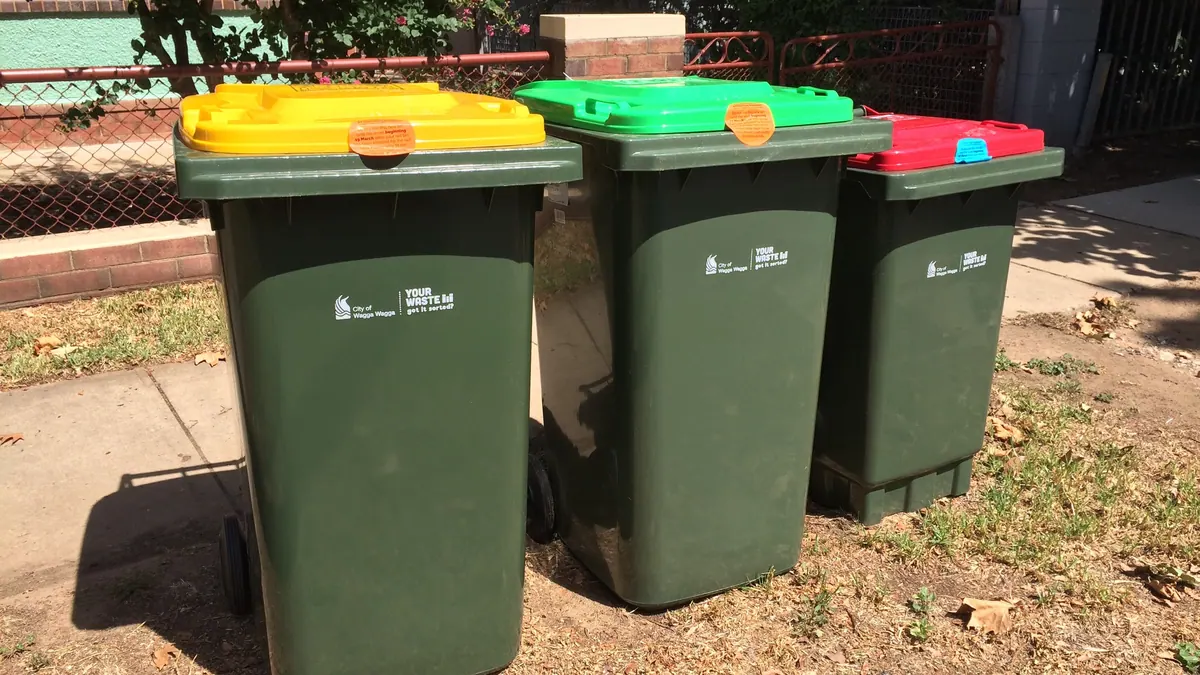
In 2020 the state of Victoria announced the ten-year “Recycling Victoria” plan: a target of 80% waste recovery, halving organics to landfill and four bins in households.
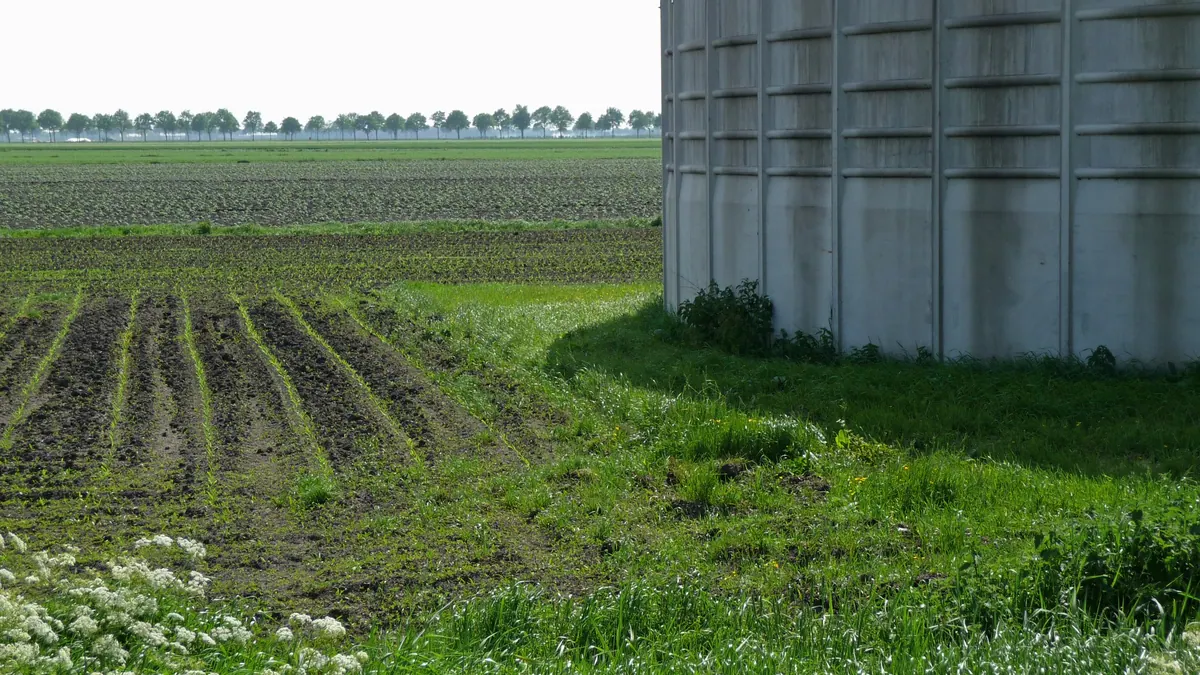
The Council of Ministers Regulation of 12 February 2020 (Journal of Laws (Dz.U.) item 243) adopted a programme for reducing water pollution by nitrates. The rules covered the whole country, not only particularly vulnerable areas.
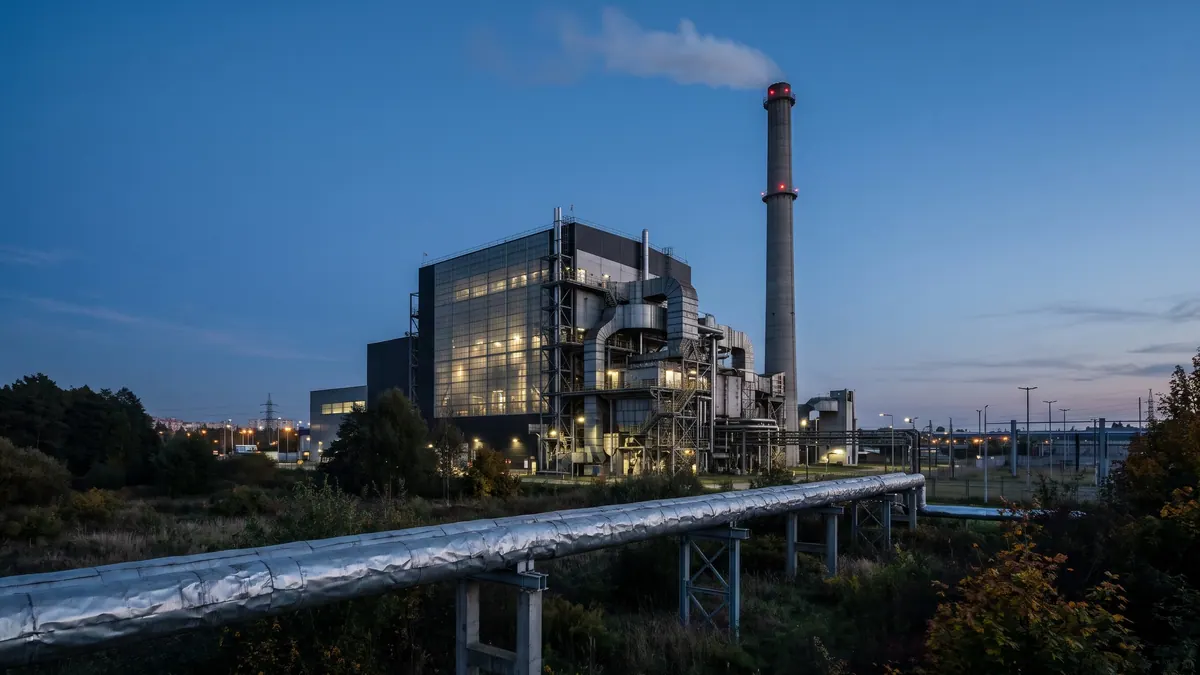
Reppie, next to the Koshe landfill, is a 50-megawatt thermal waste treatment plant opened in August 2018. We explain its parameters, the context and the place of digestion in African cities.
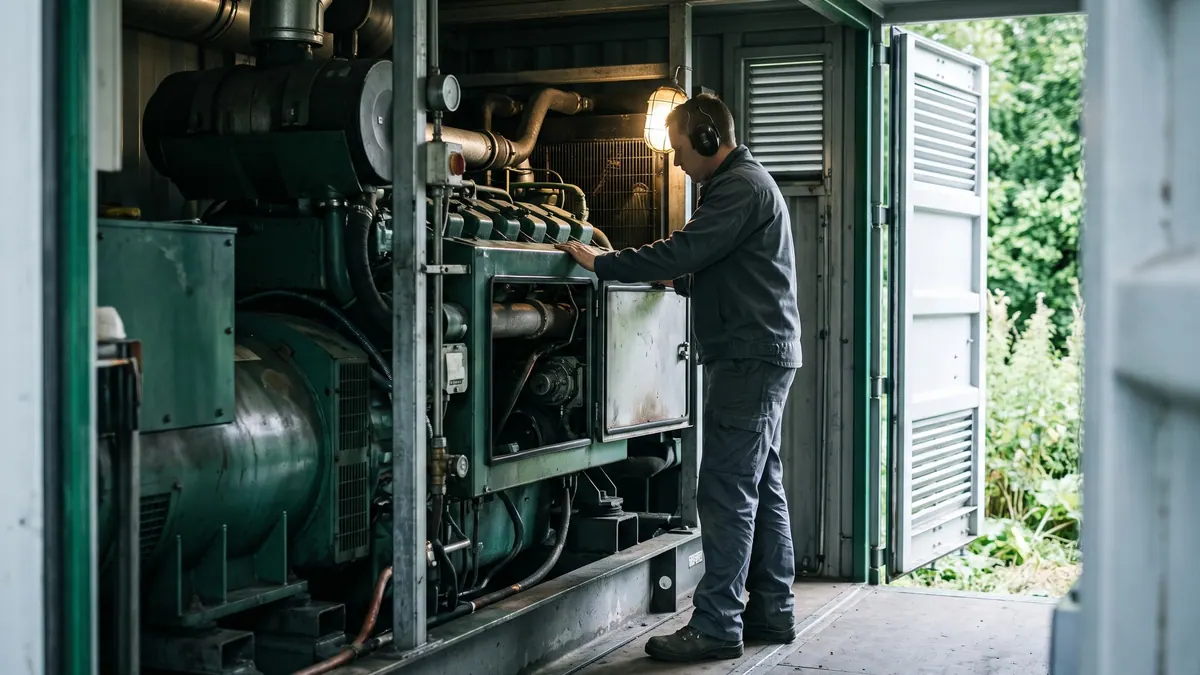
The Finnish scheme for biogas paid the difference between a target price of €83.50/MWh and the market price, plus €50/MWh for heat from cogeneration. It was closed to new biogas plants on 1 January 2019.
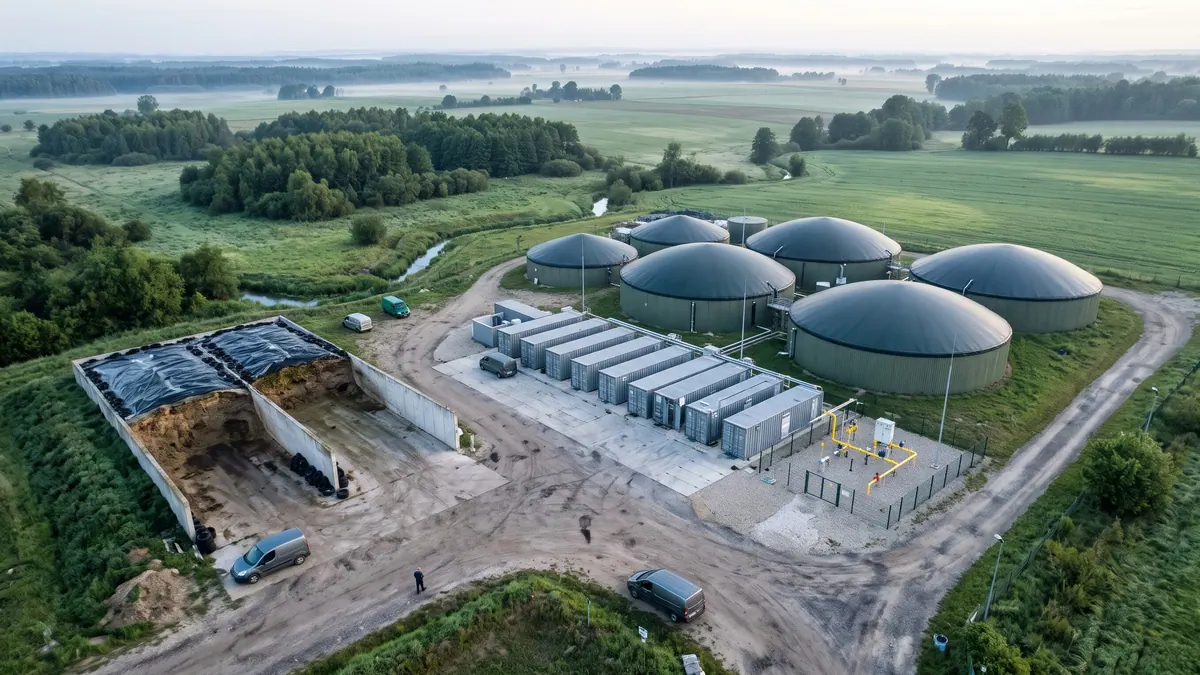
Polymer membranes separate CO₂ from methane on the principle of different permeability. We explain the multi-stage system, pressures, methane losses and pretreatment requirements.
A by-product is not "waste with good PR". We explain the five cumulative conditions of Article 10, the notification to the marshal and the decision under Article 11, and the consequences for suppliers of substrates to biogas plants.
Mesophilic (approx. 35–42 °C) or thermophilic (approx. 50–58 °C)? We compare the rate of degradation, hygienisation, heat balance, stability and ammonia risk to help choose the regime.
In the Finnish premium auction of late 2018, biogas and biomass, among others, could bid, but the cheapest bids came from onshore wind. The average premium was about €2.5/MWh.
From 1 January 2020 the Smart Export Guarantee operates in the United Kingdom (England, Scotland, Wales). It replaces the feed-in tariff, and biogas plants of 1 MW and above must present a sustainability audit every year.

The Commission announced the mobilisation of at least EUR 1 trillion of investment over the decade and presented the Just Transition Mechanism with the Just Transition Fund.