

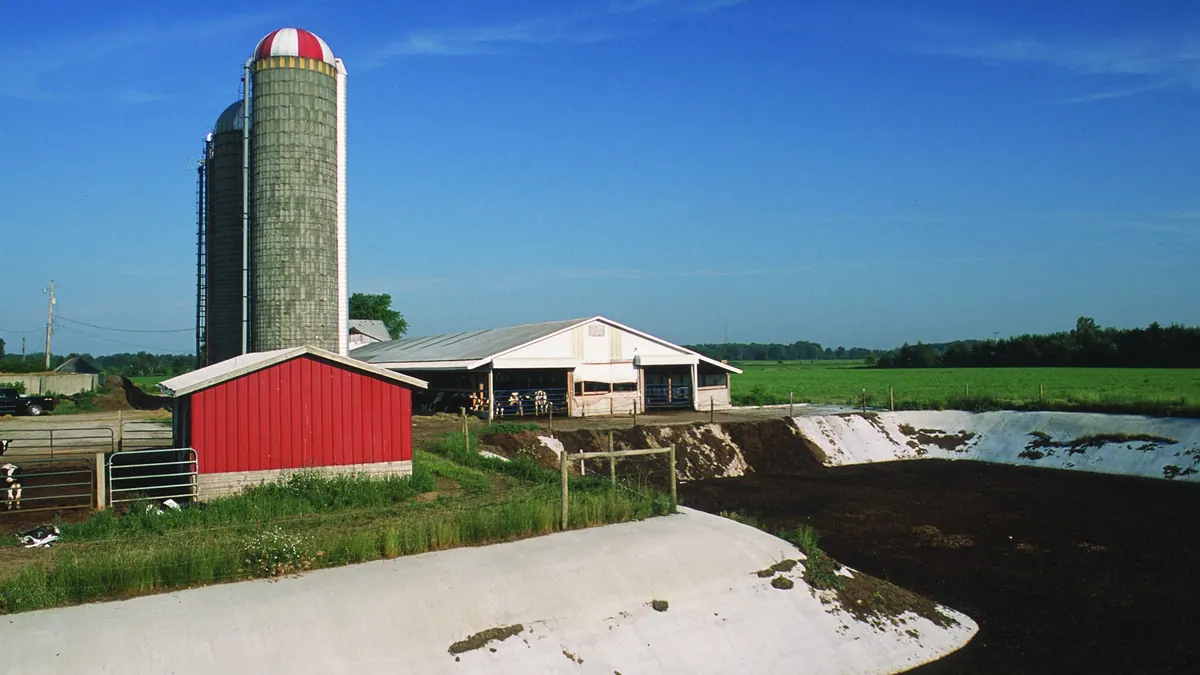
The C/N ratio in a substrate mix: why 20–30 and how to balance it
Too low a C/N leads to ammonia inhibition, too high to nitrogen deficiency. We show the range, an example mix balance and typical values for substrates.
1,083 articles on biogas, biomethane, bioLNG, biohydrogen, waste-to-energy, waste and regulation — since December 2019. Filter by category, type, year and tag.
RSSToo low a C/N leads to ammonia inhibition, too high to nitrogen deficiency. We show the range, an example mix balance and typical values for substrates.
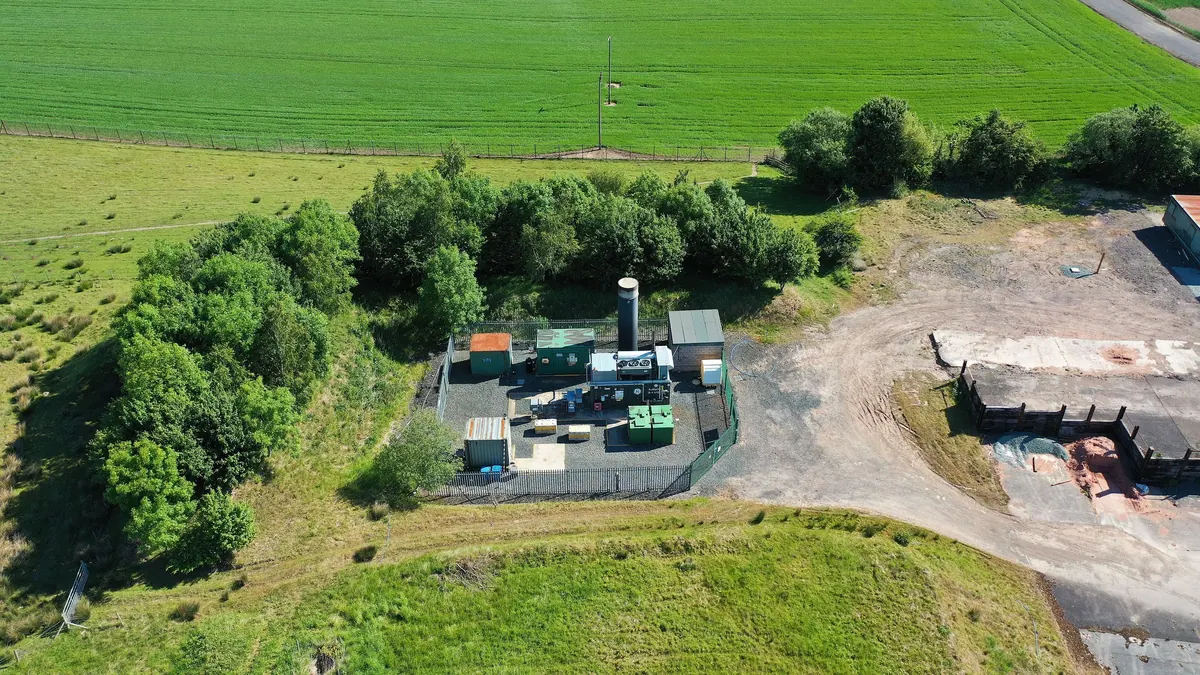
In South Africa's main renewable energy auction programme bioenergy appeared only marginally: in window 3 a landfill gas bidder (18 MW) and a biomass bidder (16 MW) were selected. What does this say about the market?
Communication COM(2020) 301 sets three phases of hydrogen development in the EU, with a target of 40 GW of electrolysers and up to 10 million tonnes of renewable hydrogen by 2030. The European Clean Hydrogen Alliance was also created.
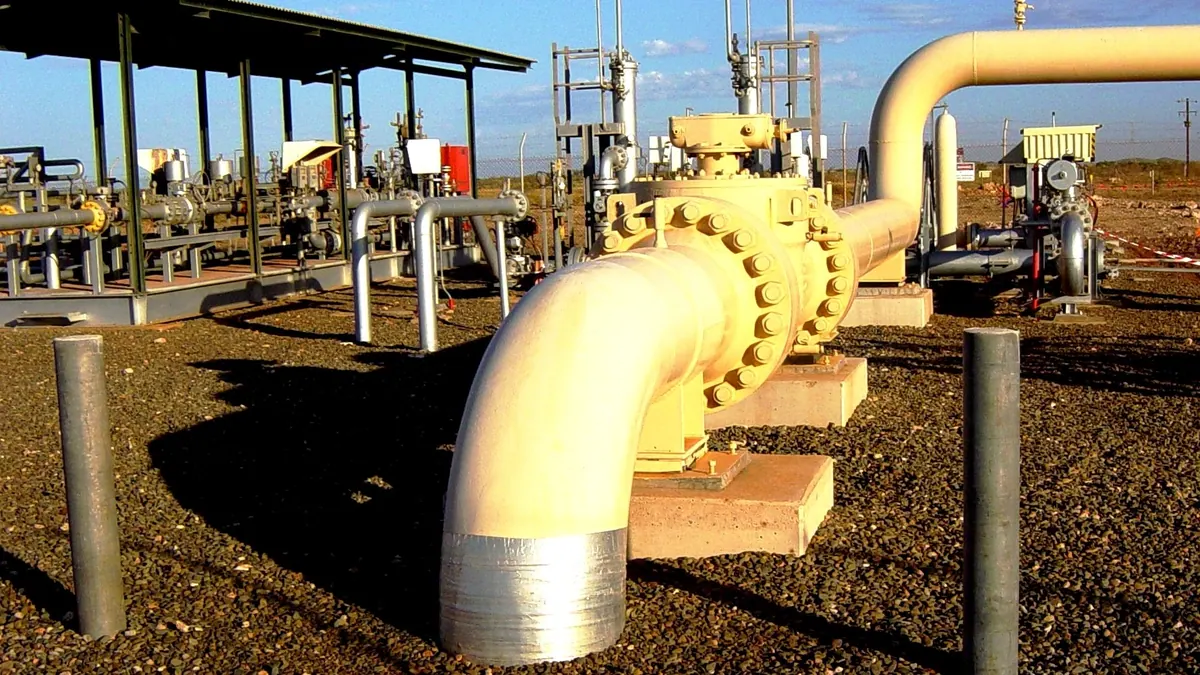
Communication COM(2020) 299 announces stronger links between electricity, heat and gas. Hydrogen, biofuels and biogas are named among the renewable fuels for sectors that are hard to electrify.
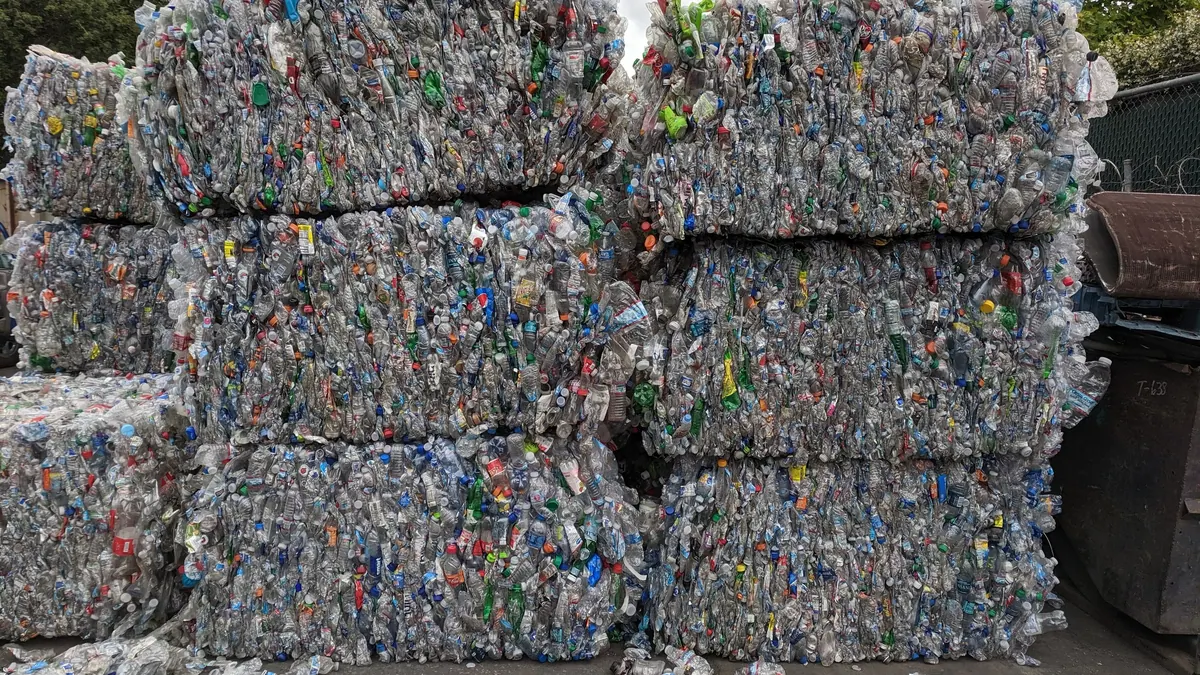
On 5 July 2020 the transposition deadline for Directives 2018/849–852 expired. The package introduces recycling targets of 55/60/65%, a landfill limit of 10% and an obligation to collect biowaste separately by the end of 2023.
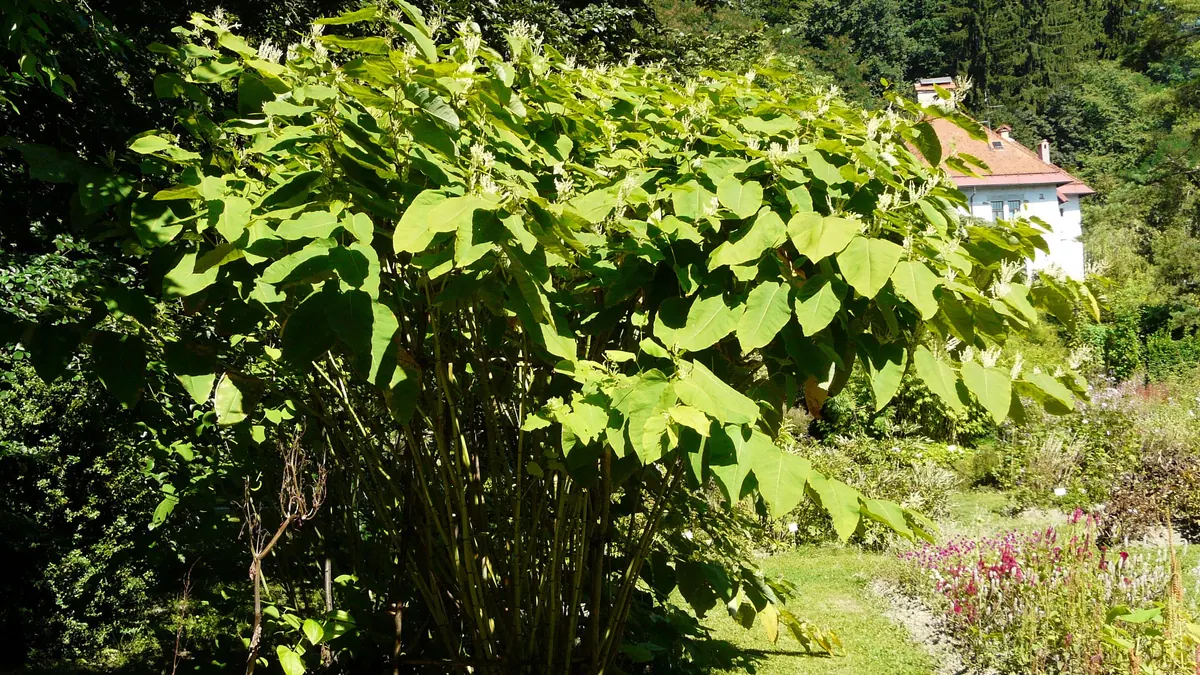
192 m³ CH₄/t VS weighted mean from 10 studies
neutral — editorial rating for biogas plants≈53 %
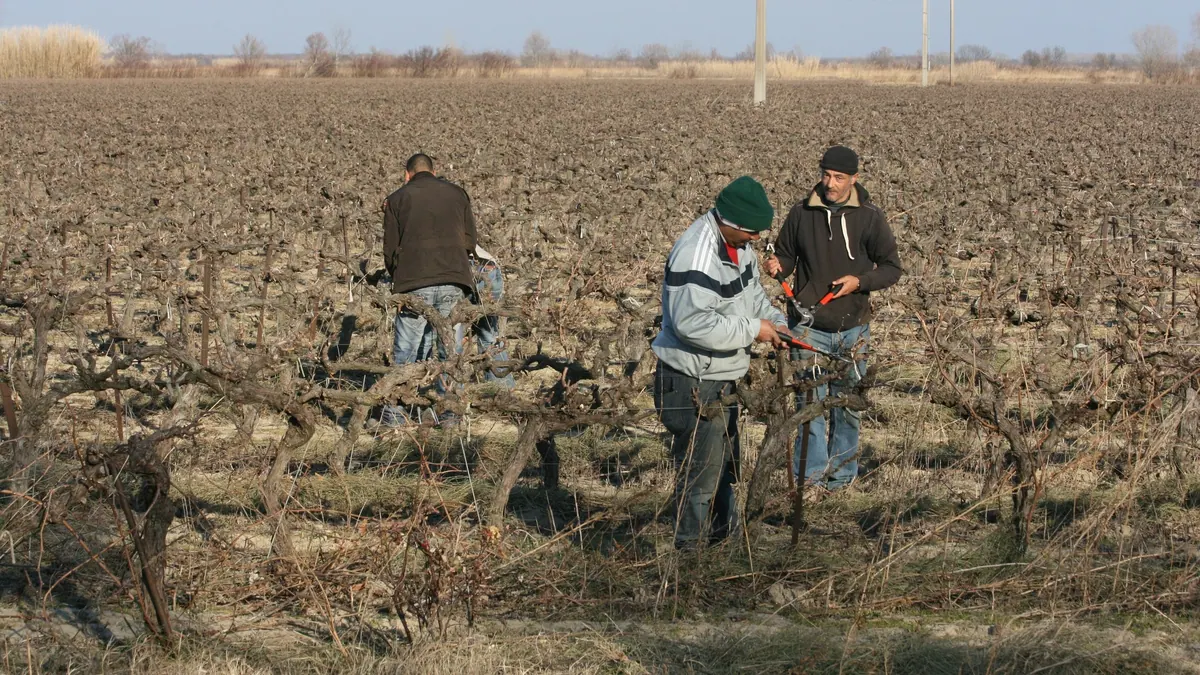
55 m³ CH₄/t VS weighted mean from 2 studies
≈52 %
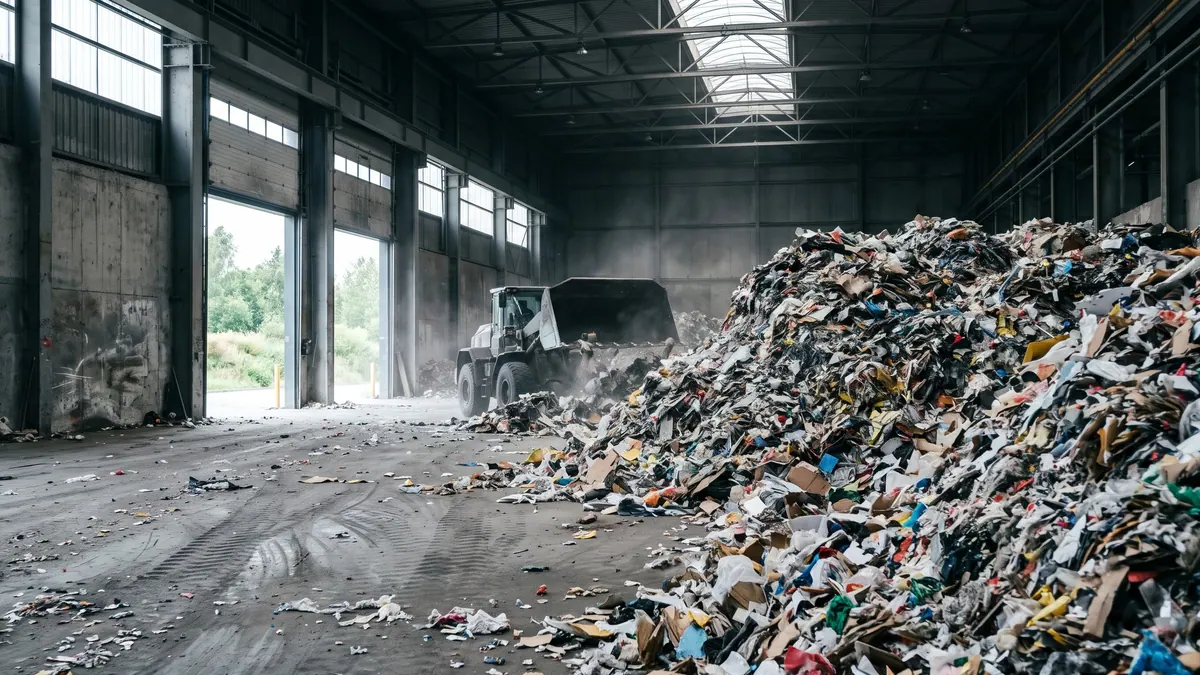
RDF is a fuel from the high-calorific fraction of waste, SRF its standardised, better-described variety. We explain codes 19 12 10 and 19 12 12, classification by standard and who buys such fuel.
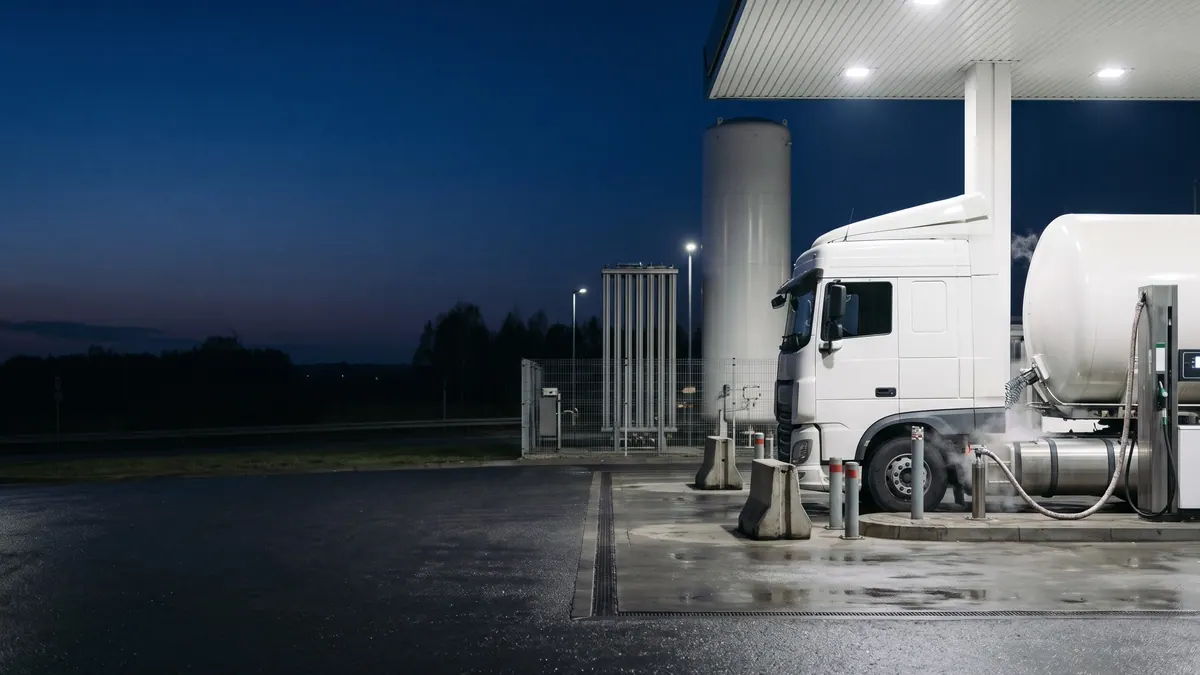
Cryogenics separates CO₂ by cooling biogas to very low temperatures. We explain why the technology is linked to the production of bioLNG and liquid CO₂ and what limitations it has.
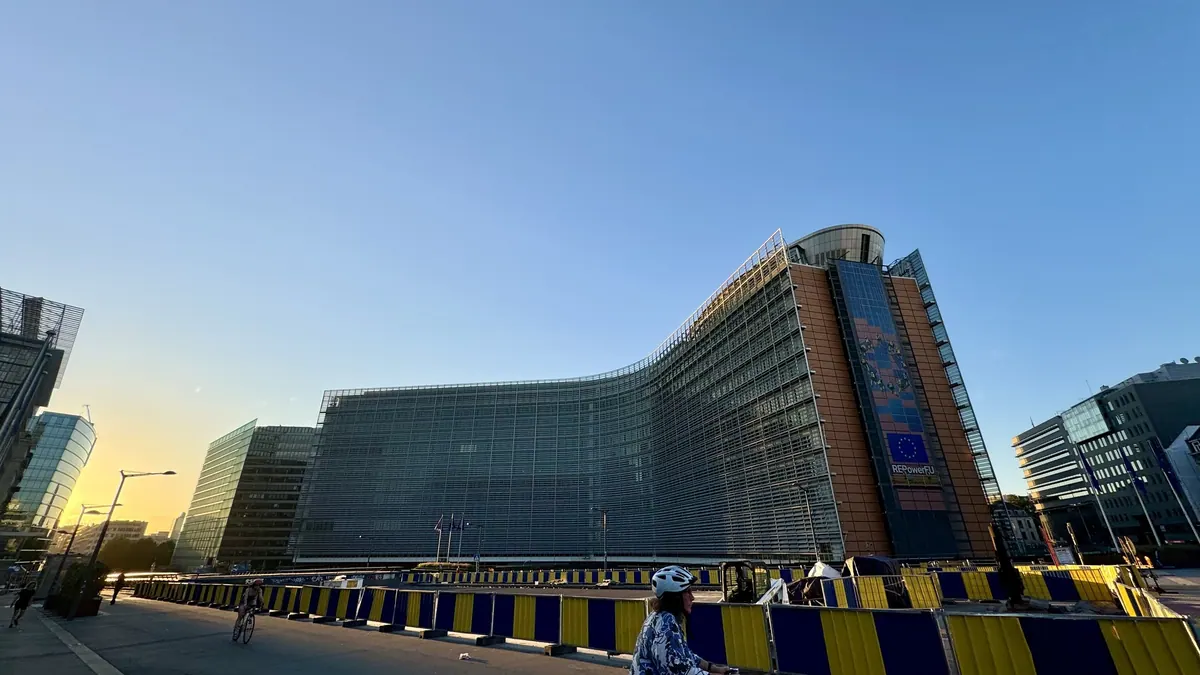
On 22 June 2020 Regulation (EU) 2020/852 was published, introducing a classification of environmentally sustainable activities and six environmental objectives.
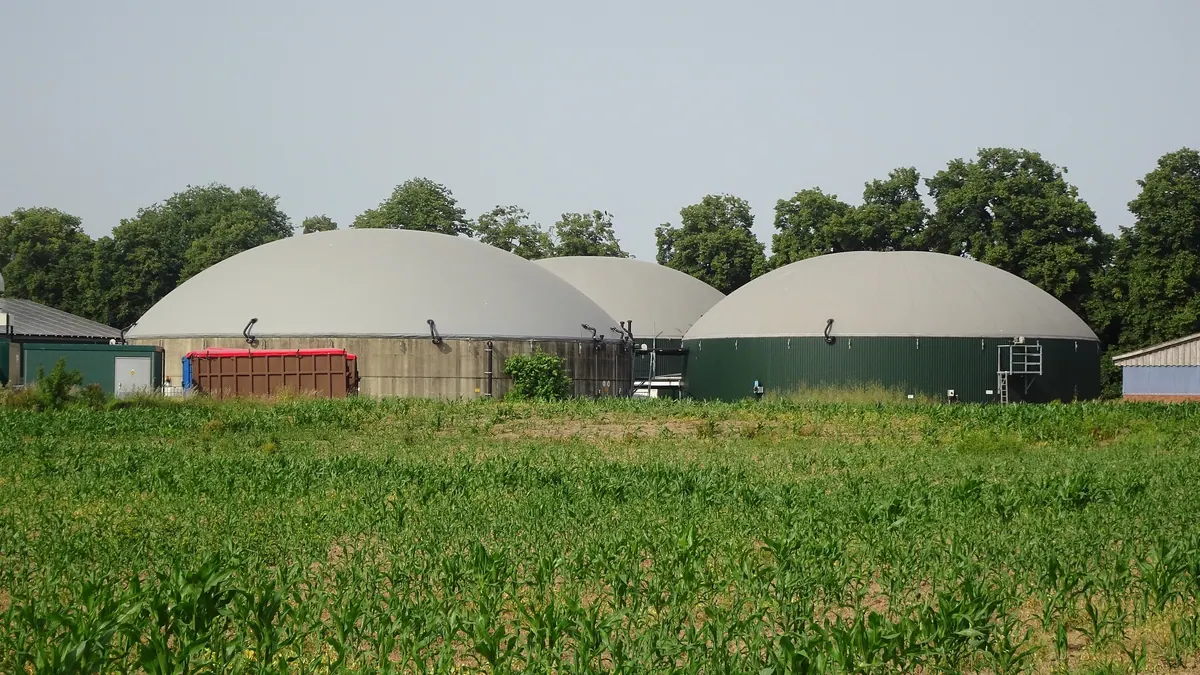
Indonesia has hundreds of palm oil mills, but in 2014–2018 biogas from POME was used on a small scale. What were the barriers: tariffs, grid connections, experience with PLN contracts and financing?
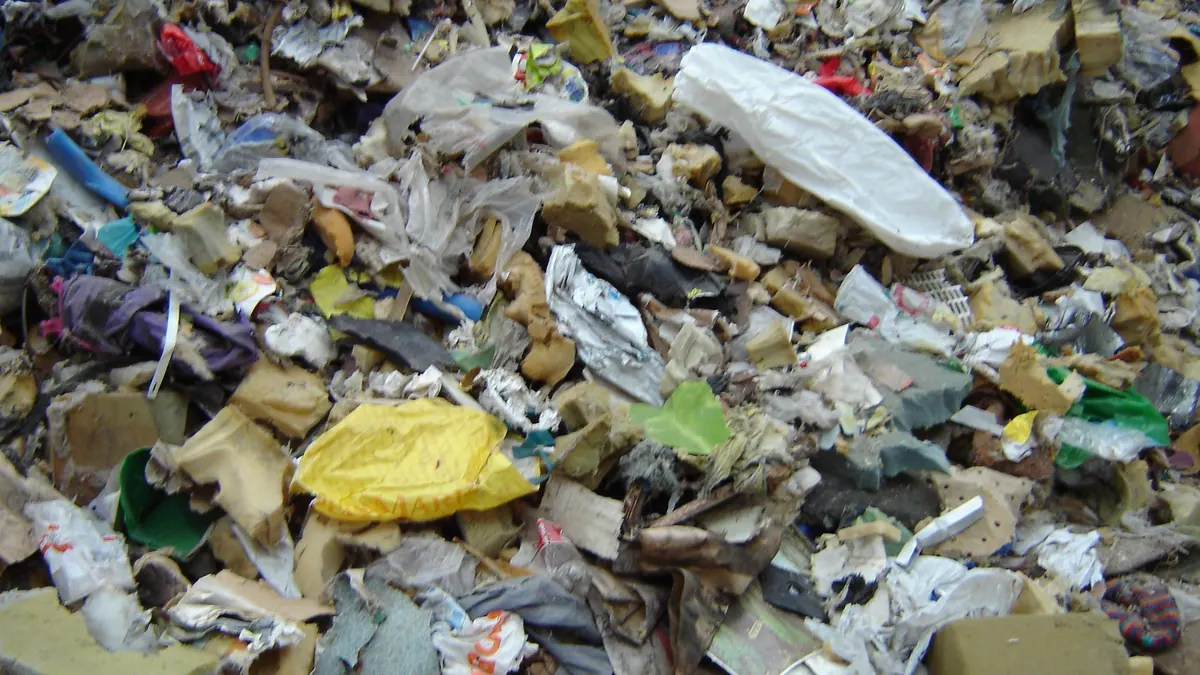
The Municipal District Heating Company (MPEC) in Tarnów will build for PLN 200 million a cogeneration installation based on waste-derived fuel. Co-financing from the National Fund for Environmental Protection and Water Management (NFOŚiGW) is around PLN 165 million.
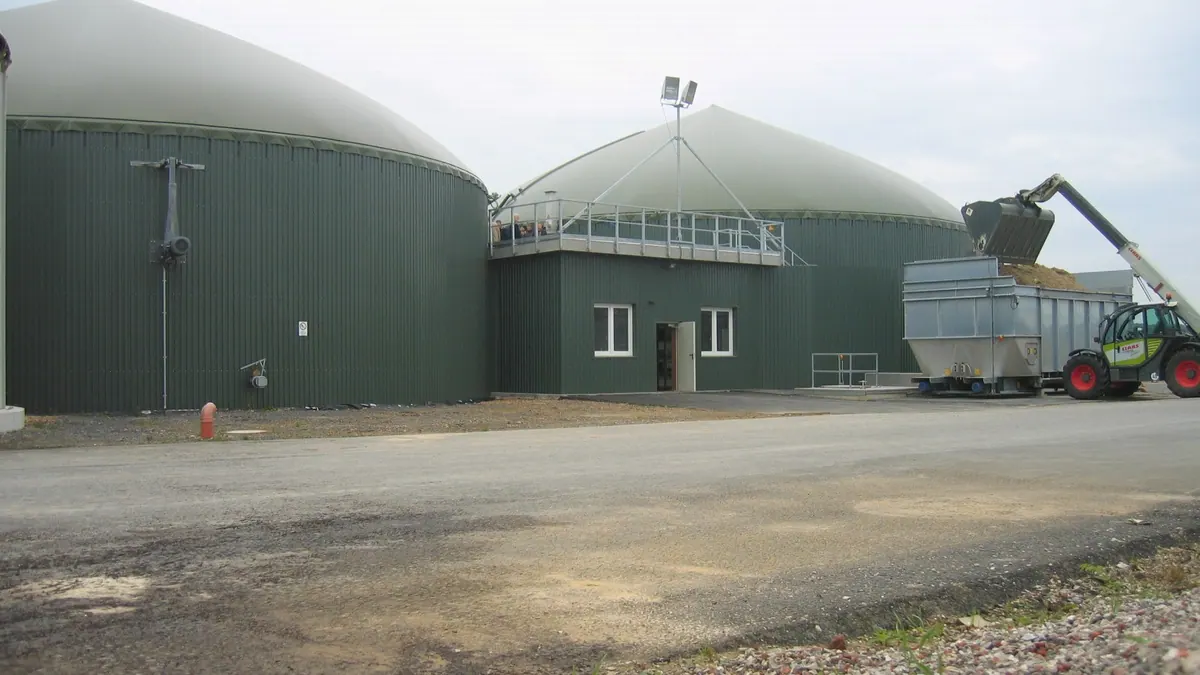
HRT is the residence time of the liquid, SRT — the residence time of the microorganisms. In a flow-through digester they are equal, in systems with recirculation they are not.
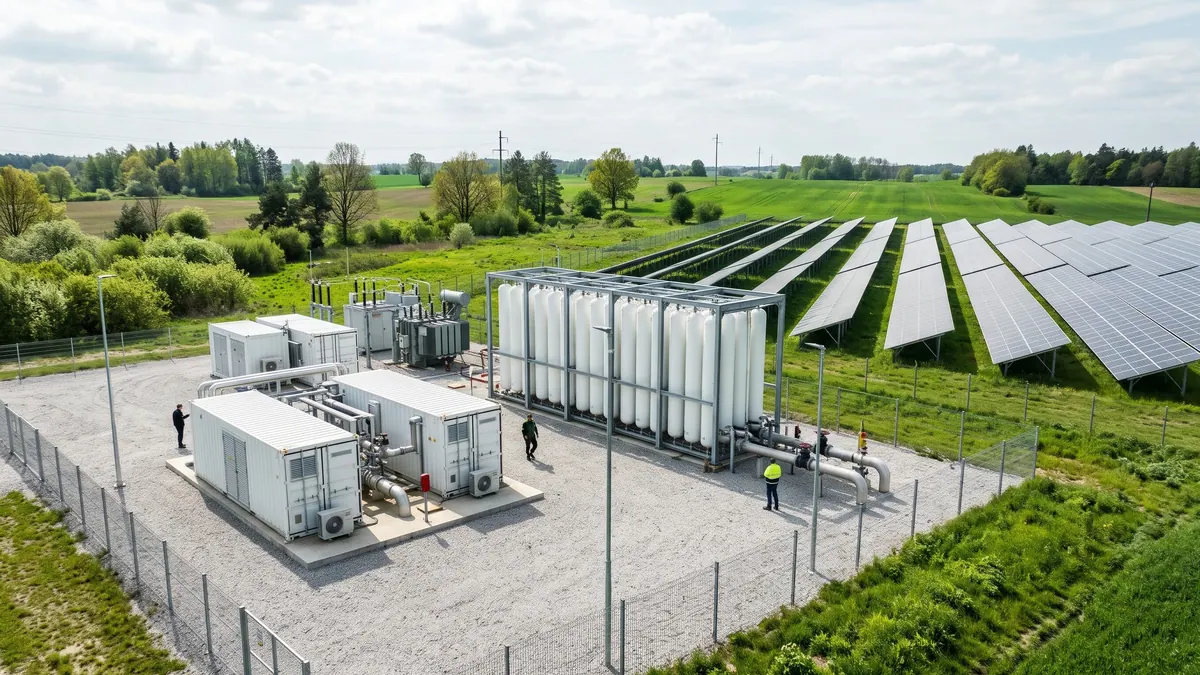
On 10 June 2020 the German federal government approved a hydrogen strategy with a target of 5 GW of electrolyser capacity by 2030 and a budget of EUR 9 billion, of which EUR 7 billion domestically.
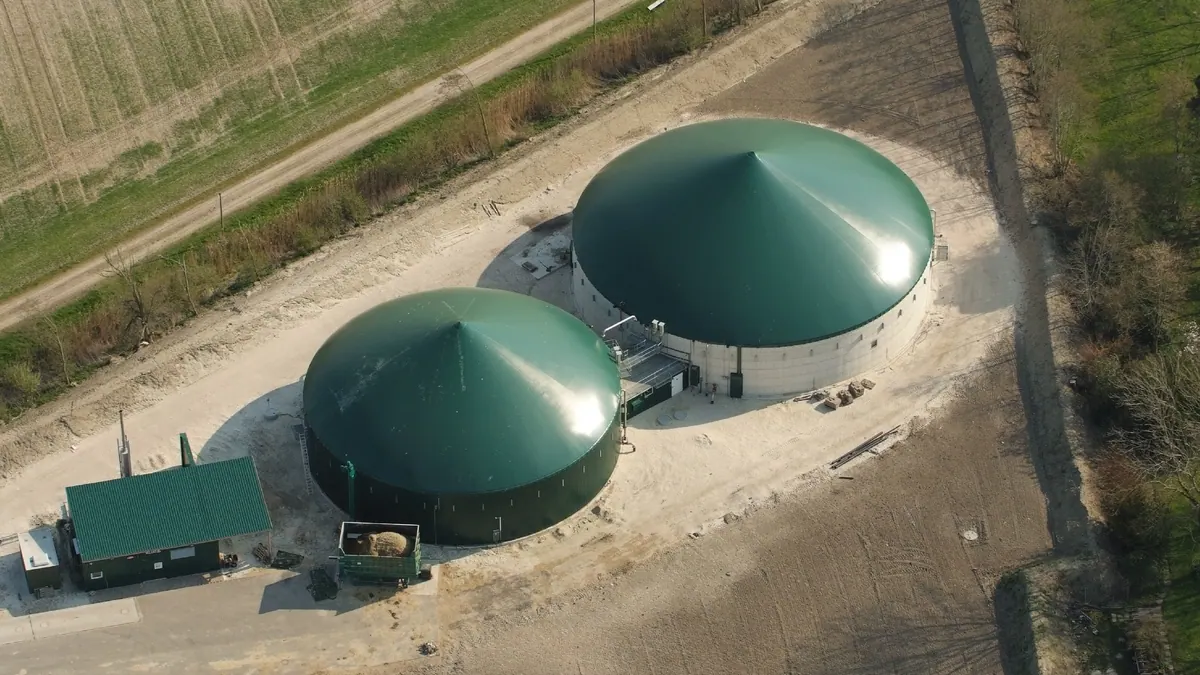
Since the 2008 energy agreement, Denmark has paid a premium of 40.5 øre/kWh or a fixed price of 74.5 øre/kWh for electricity from biogas. In 2013 a value of 79.3 øre/kWh appeared in legislation.
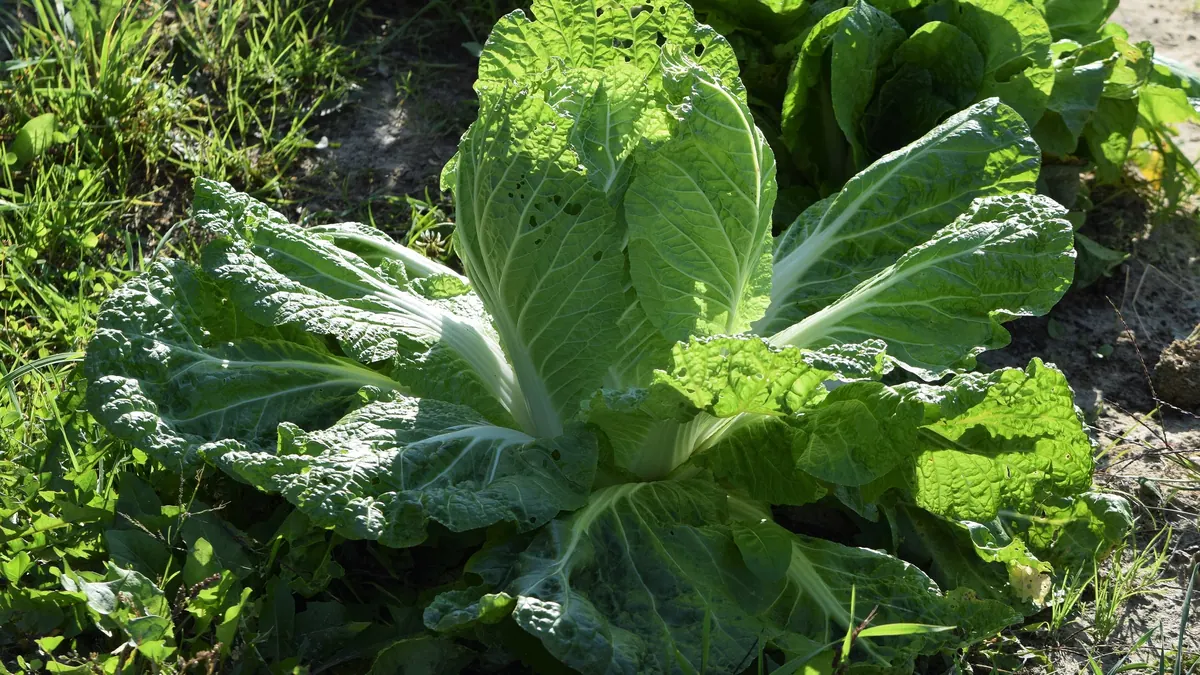
148 m³ CH₄/t VS weighted mean from 2 studies
≈60 %
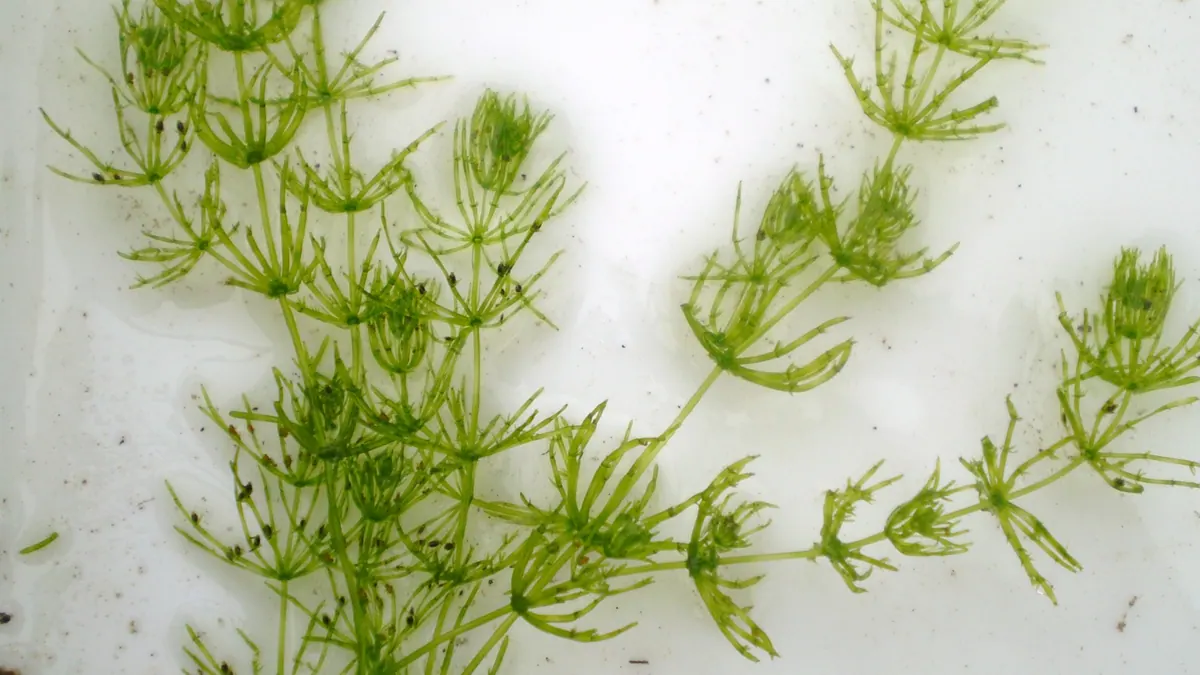
385 m³ CH₄/t VS weighted mean from 2 studies
≈52 %
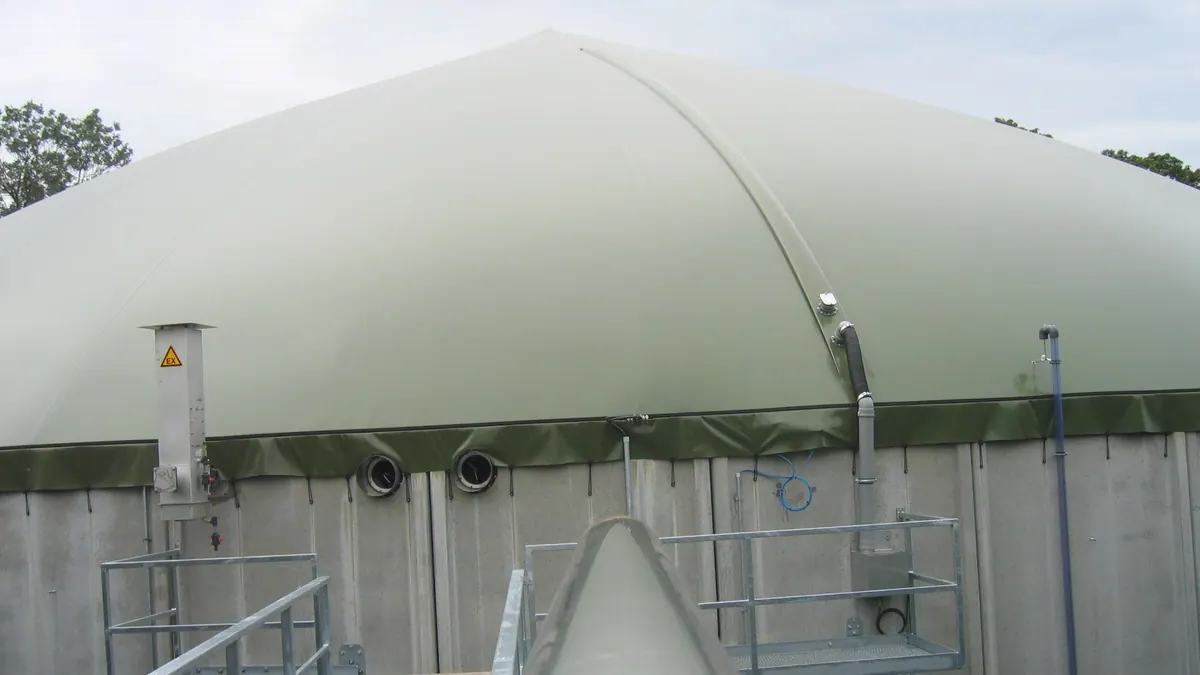
The company H. Cegielski-Poznań holds a licence to produce Dynamic Biogas plants. A 0.5 MW pilot is operating at the experimental farm of the Poznań University of Life Sciences in Przybroda.
On 27 May 2020 the Commission proposed a post-pandemic recovery fund: EUR 750 billion, of which EUR 500 billion in grants and EUR 250 billion in loans, combined with a strengthened EU budget for 2021–2027.
A report of the REGATRACE project, whose renewable gas work was coordinated by the EBA, compared biomethane markets in Europe: from 10 TWh in Germany to approx. 1.2 TWh in France.
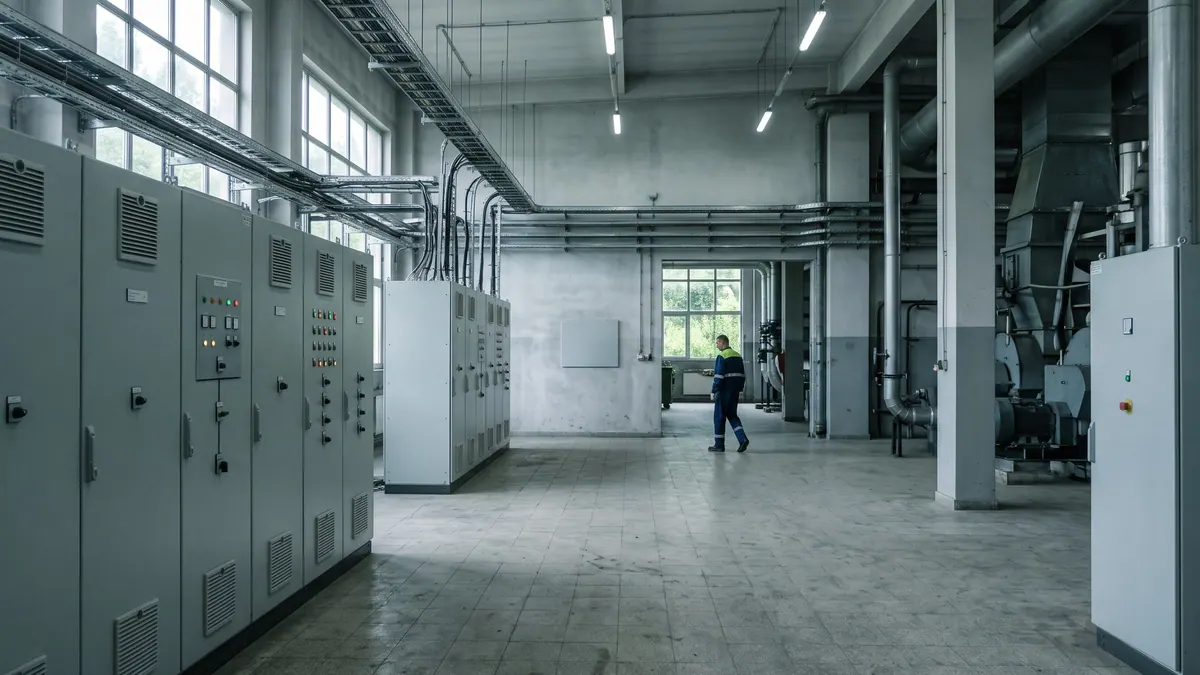
The European Commission has approved the Danish scheme SA.55891: DKK 4.15 billion (about €550 million) for existing biomass power plants, with a premium of up to DKK 0.11/kWh, until the end of 2029.
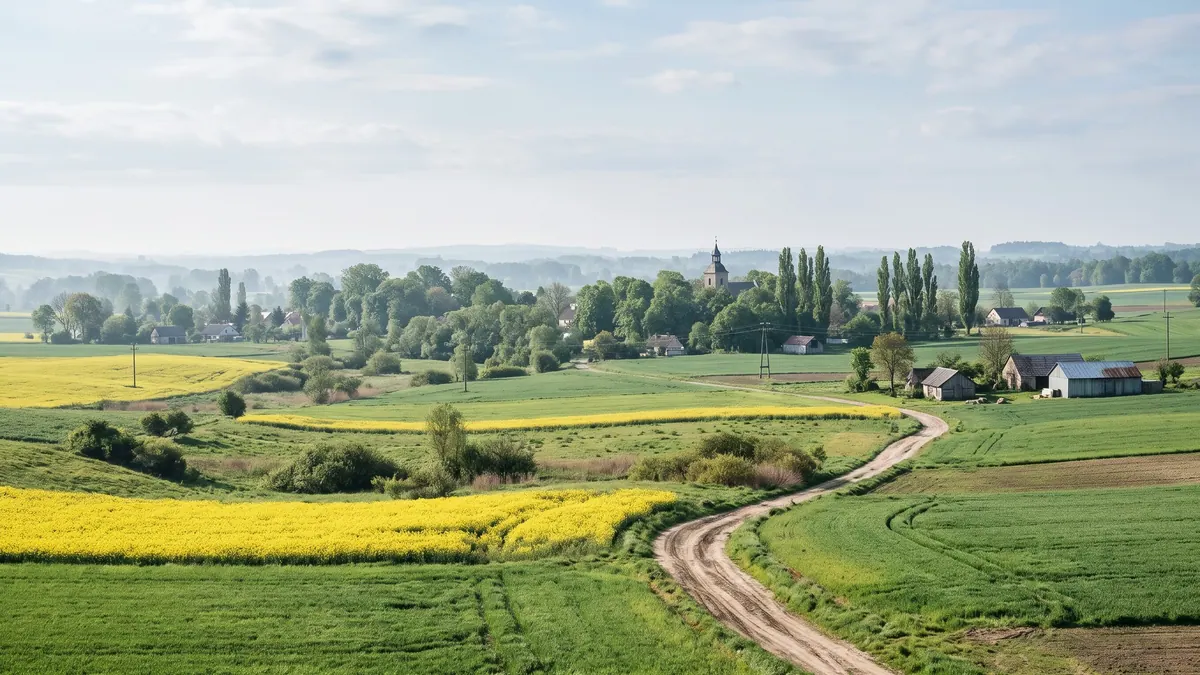
Communication COM(2020) 381 announces a reduction of nutrient losses by at least half and a 20% cut in fertiliser use by 2030. This matters for digestate and manure management.
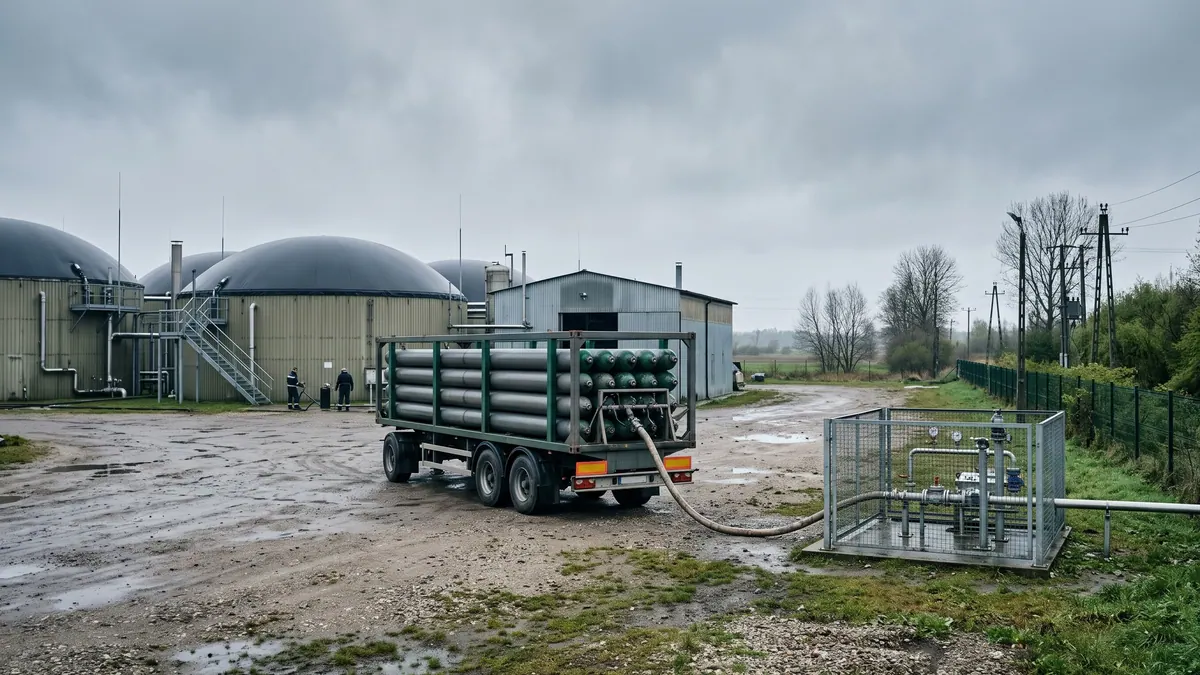
Chemical absorption in amines gives methane losses below approx. 0.1–0.2% and pure CO₂, but requires heat of approx. 110–140°C. We discuss the energy balance and operating requirements.
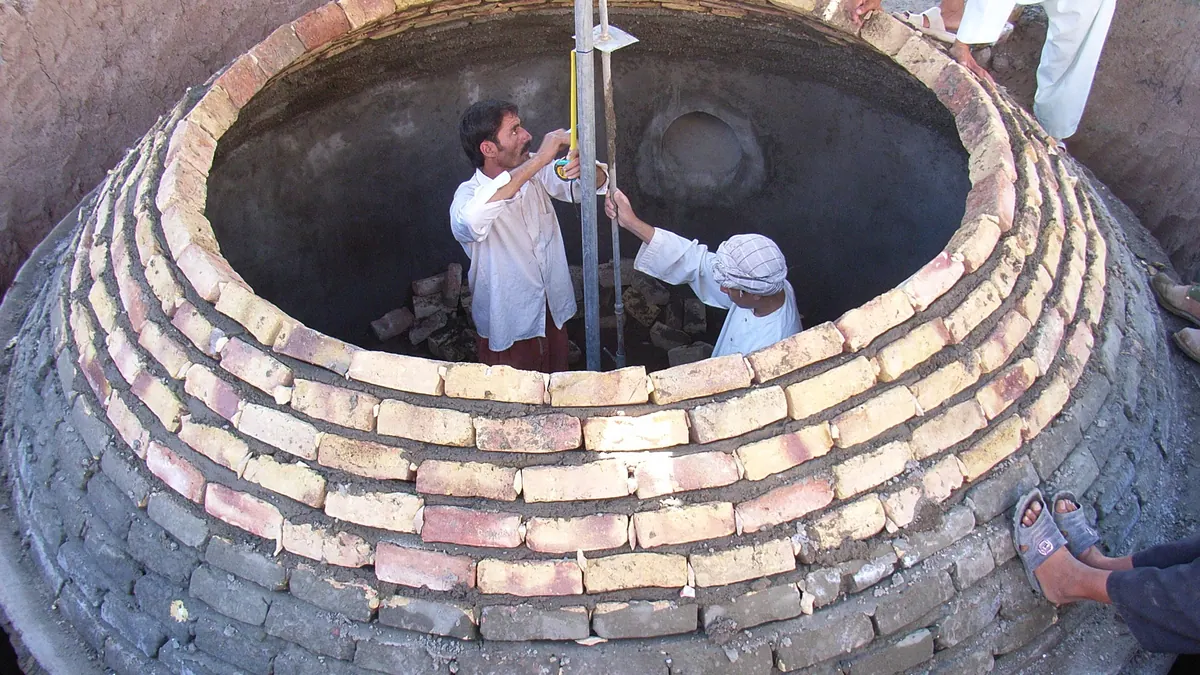
Rwandan prisons are among the pioneers of biogas in Africa: from 2008 to 2011 the number of institutions with biogas rose from eight to fourteen. Why do such installations differ in effectiveness?