

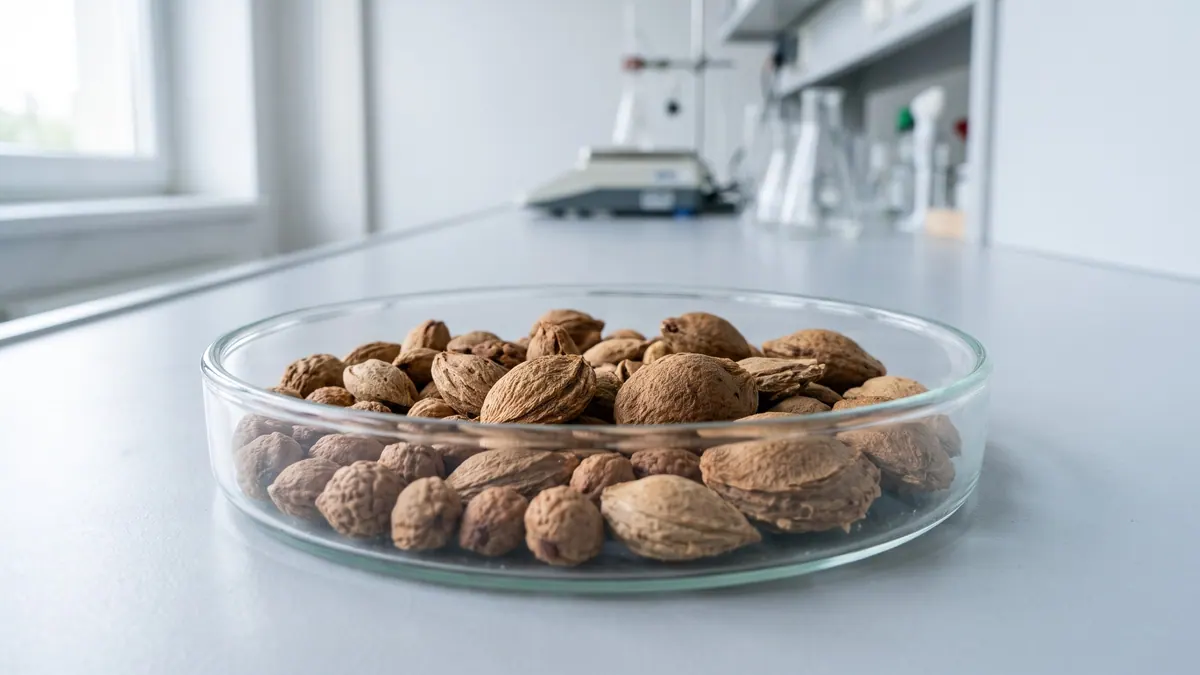
Stone-fruit stones (plum, cherry, apricot) — BMP: 3 studies, weighted mean 84 m³ CH₄/t VS
84 m³ CH₄/t VS weighted mean from 3 studies
negative — editorial rating for biogas plants≈52 %
1,083 articles on biogas, biomethane, bioLNG, biohydrogen, waste-to-energy, waste and regulation — since December 2019. Filter by category, type, year and tag.
RSS84 m³ CH₄/t VS weighted mean from 3 studies
negative — editorial rating for biogas plants≈52 %
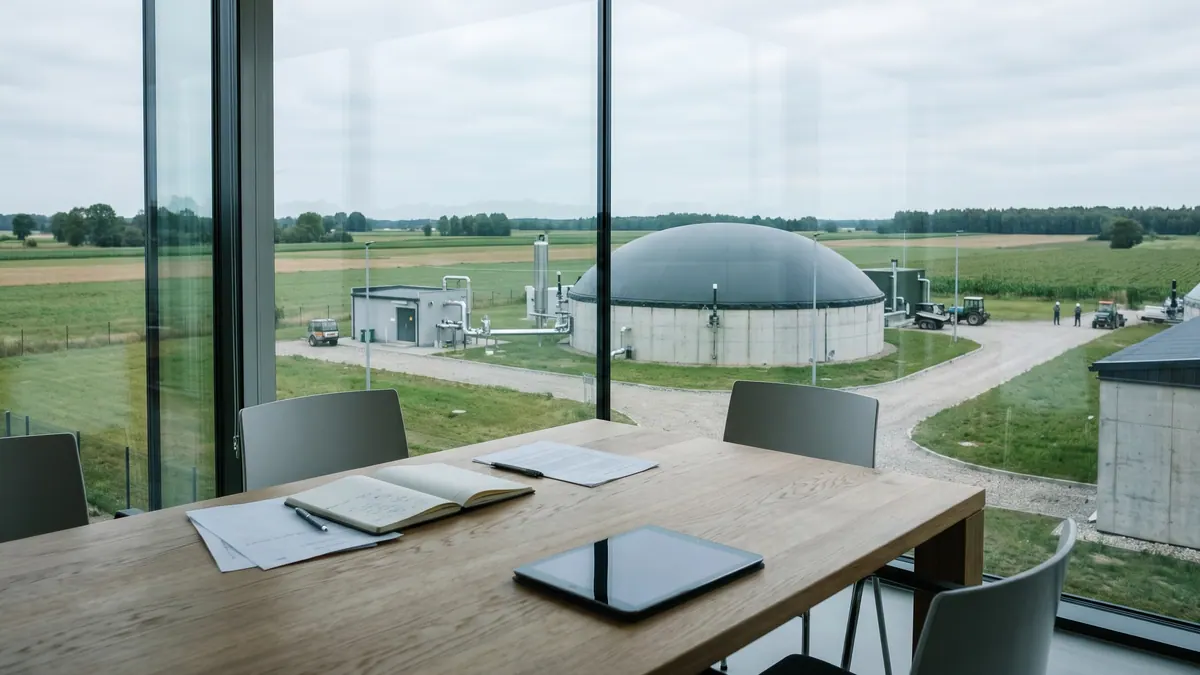
From 1 January 2020 the Smart Export Guarantee operates in the United Kingdom (England, Scotland, Wales). It replaces the feed-in tariff, and biogas plants of 1 MW and above must present a sustainability audit every year.
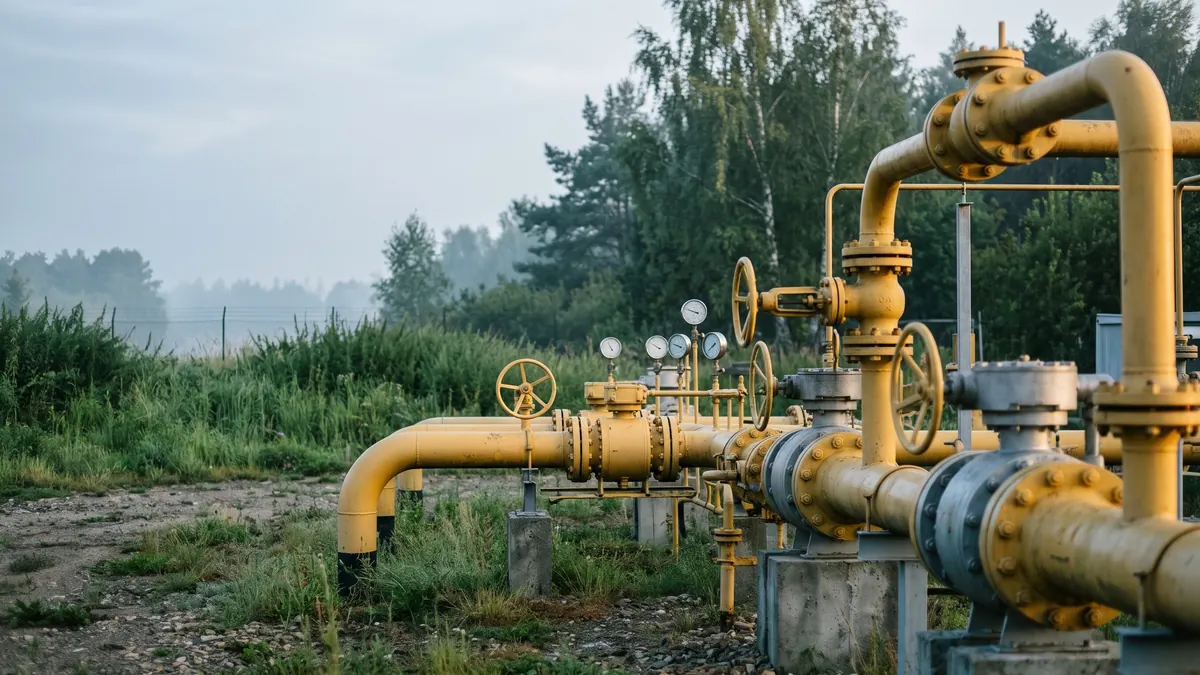
The Commission announced the mobilisation of at least EUR 1 trillion of investment over the decade and presented the Just Transition Mechanism with the Just Transition Fund.
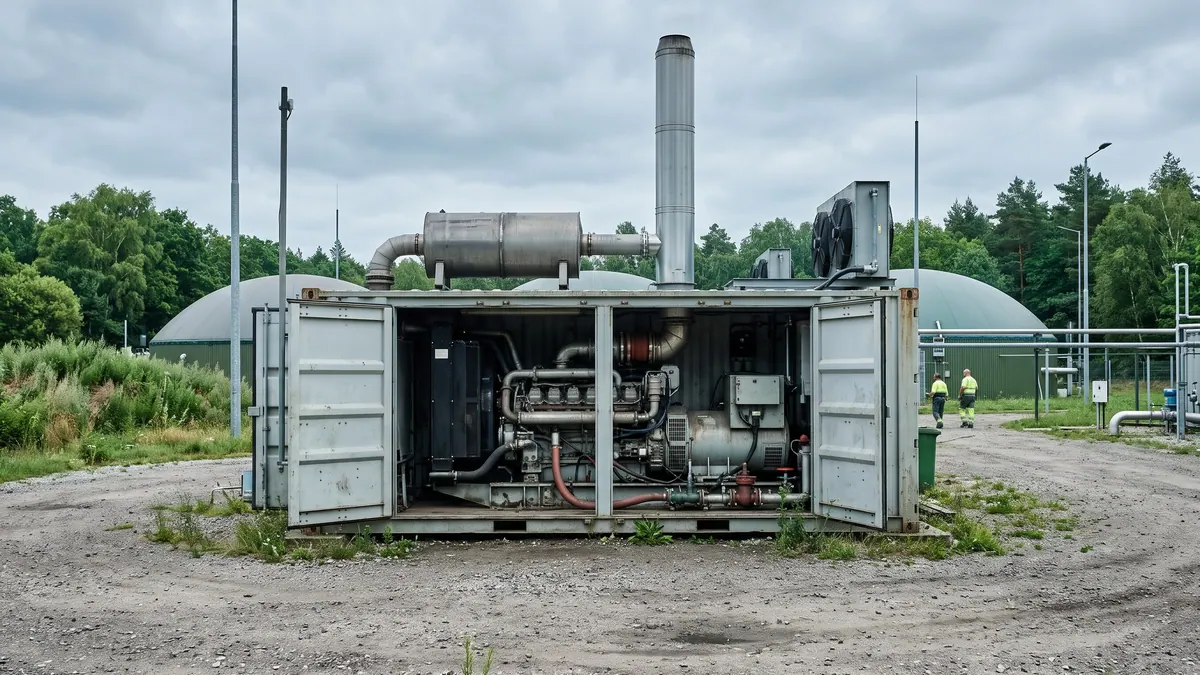
The Fund granted co-financing to 41 projects under measure 1.6.1 of the Infrastructure and Environment Operational Programme (POIiŚ). Among them are four agricultural biogas plants with a capacity of up to 500 kW and biomass installations.
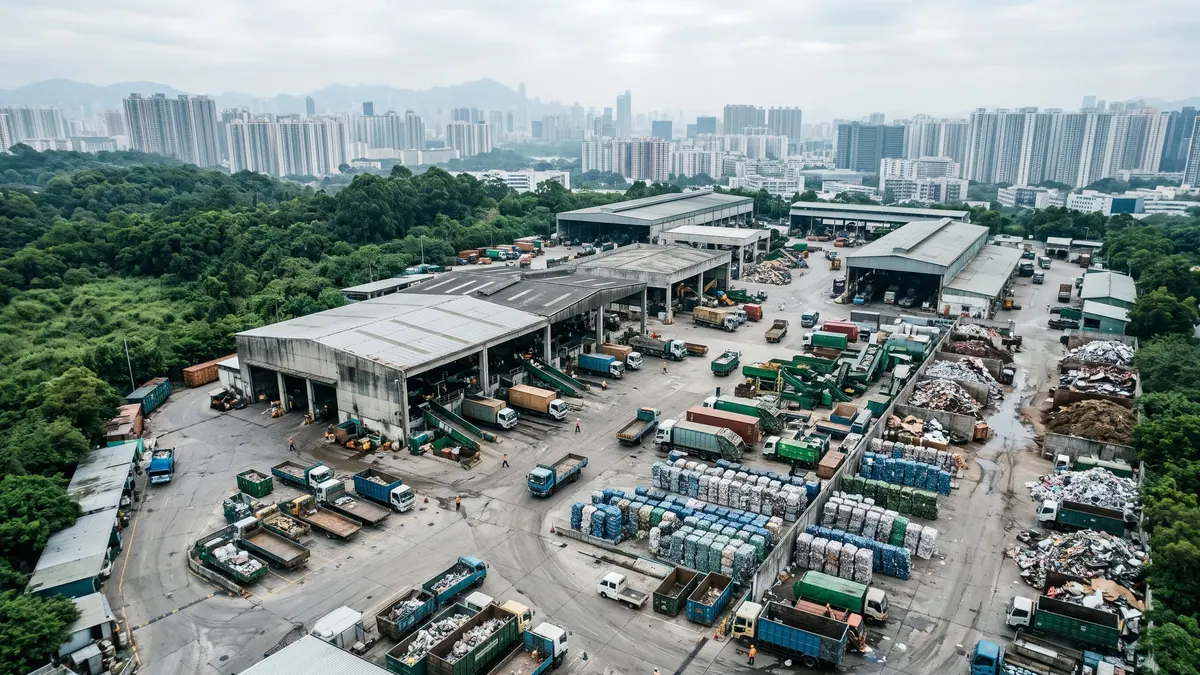
The Ministry of Housing and Urban-Rural Development reported that waste sorting has started in 237 Chinese cities; in the 46 key cities it covers 77,000 residential compounds and 49 million households.

Lithuania moved from fixed tariffs to market premium auctions. In the first round in 2019 the premium cap was €48.93/MWh, and biogas and biomass could also apply for support.
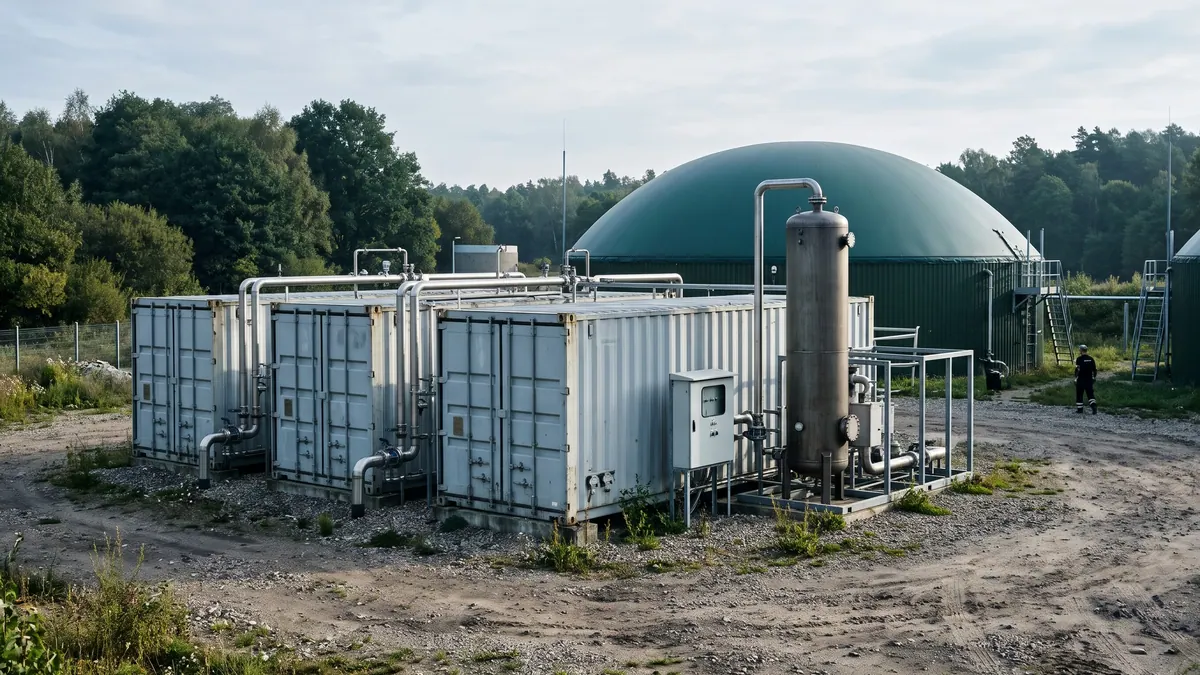
Five families of technology remove CO₂ from biogas: membranes, PSA, water scrubbing, amine scrubbing and cryogenic separation. We compare the operating principle, methane losses and energy demand.
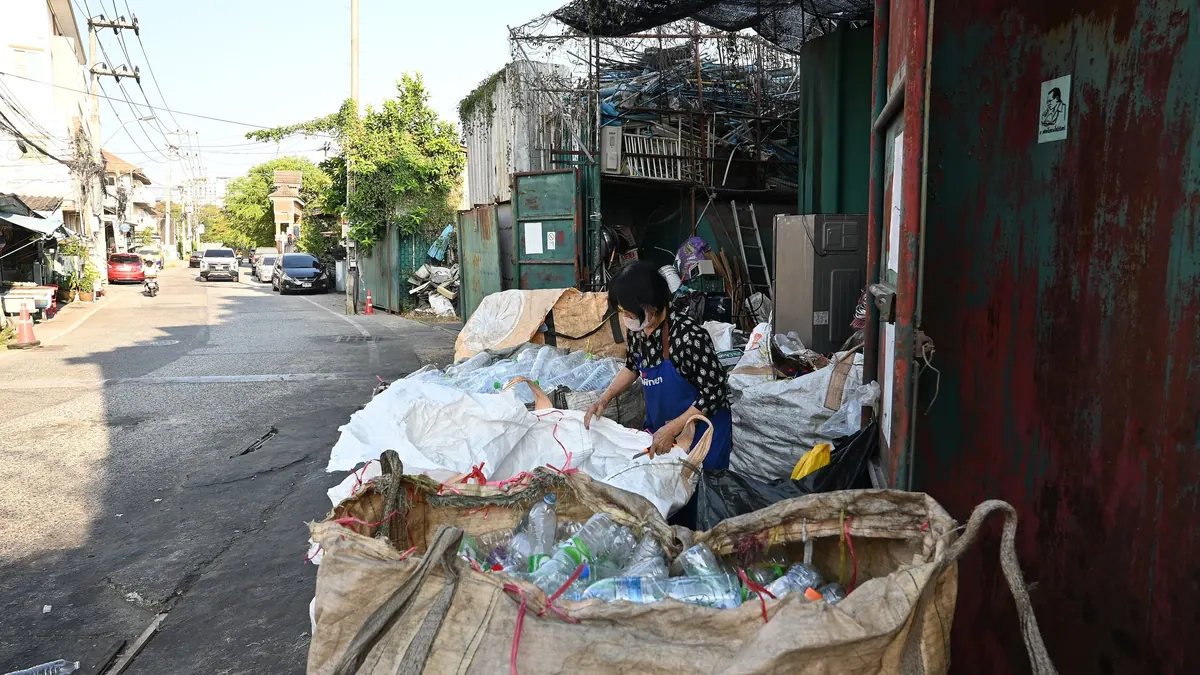
Since July 2019 Shanghai has required sorting into four streams. After six months, over half as much again kitchen waste is collected, but the facilities cannot keep up.
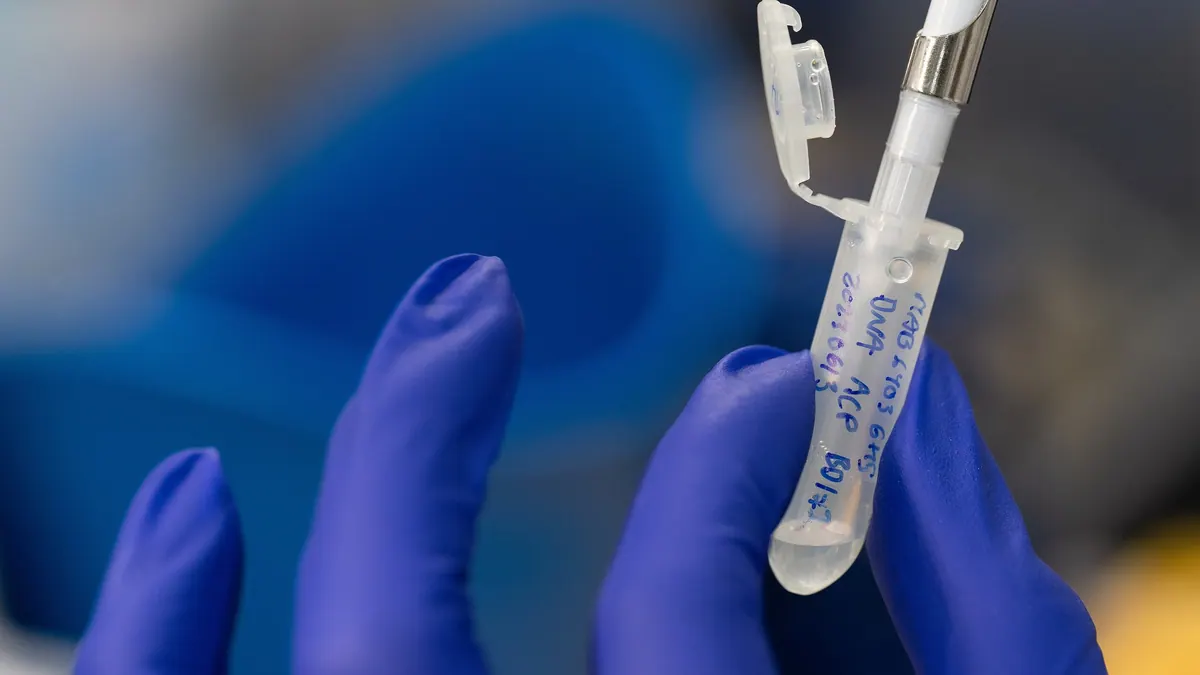
Who produces methane in the digester and why the composition of the microbial community changes with ammonia, temperature and substrate. Practical conclusions for the operator.
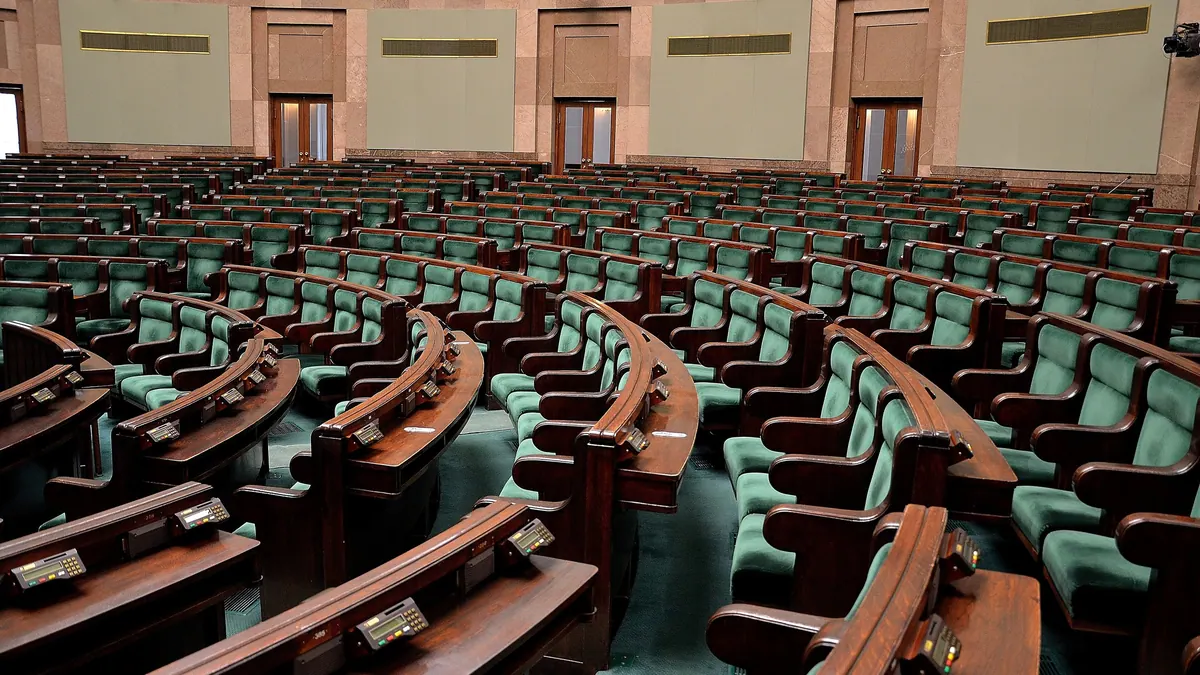
Registration in the BDO register became a condition for keeping waste records and reporting. The change also applies to biogas plants that receive waste as a substrate and release digestate.
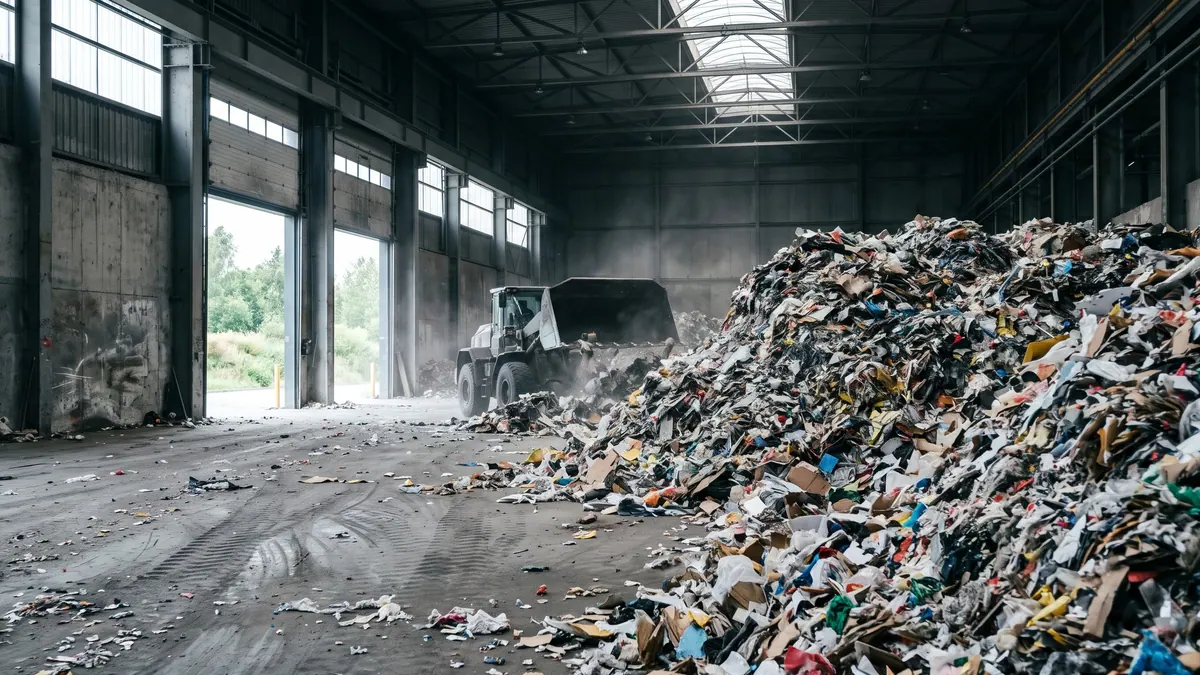
Co-incineration is the use of waste as a fuel in an installation whose main purpose is producing energy or goods, e.g. clinker. We explain the rules, emission limits and the role of cement plants in Poland.
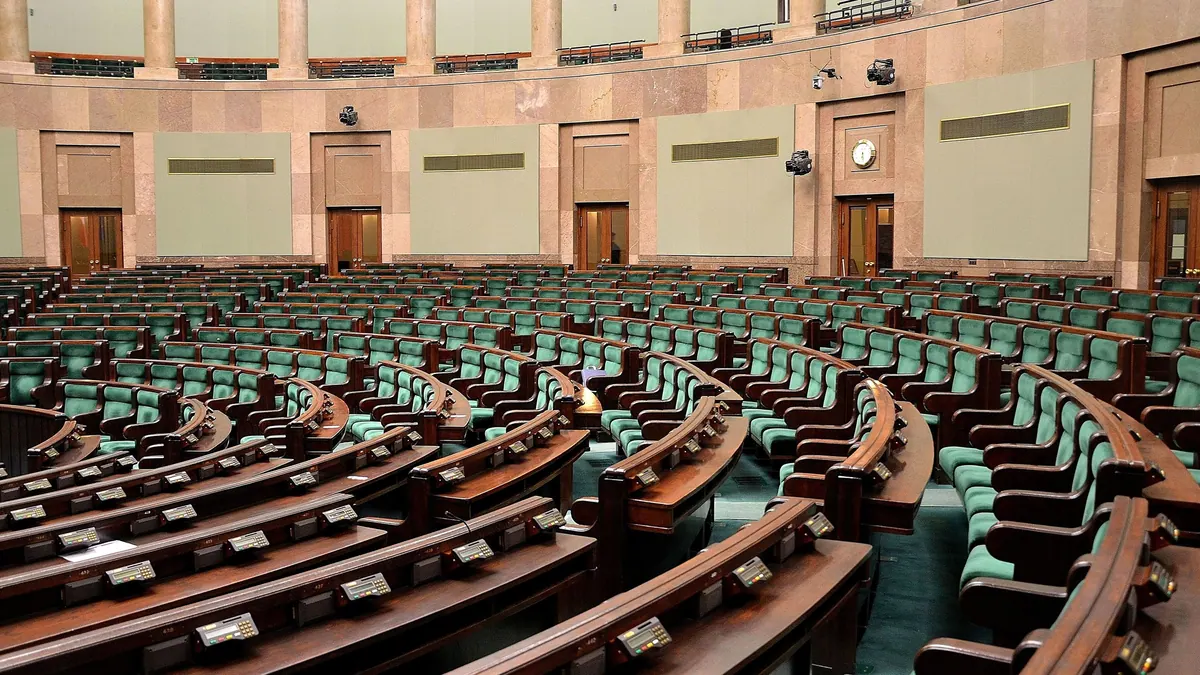
On 30 December 2019 the Minister of State Assets submitted the National Energy and Climate Plan (KPEiK) to the EC — a document required by Regulation 2018/1999 on the governance of the energy union. The plan covers five dimensions of energy policy.
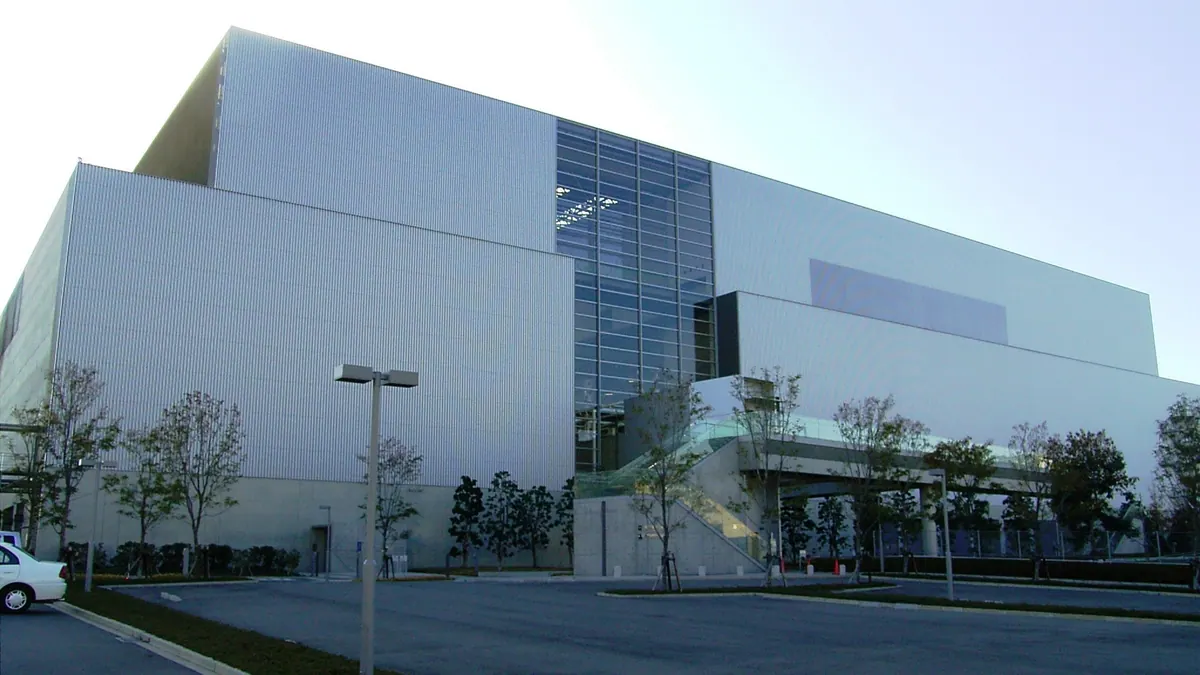
The East Rockingham Resource Recovery Facility in Western Australia is to process up to 330,000 t of waste per year (including 30,000 t of sludge) and export 28.9 MW to the grid; ARENA contributed AUD 18 million.

Chinese authorities published guidelines on the industrialisation of bio natural gas, i.e. biomethane: over 10 billion m³ a year by 2025 and over 20 billion m³ by 2030.
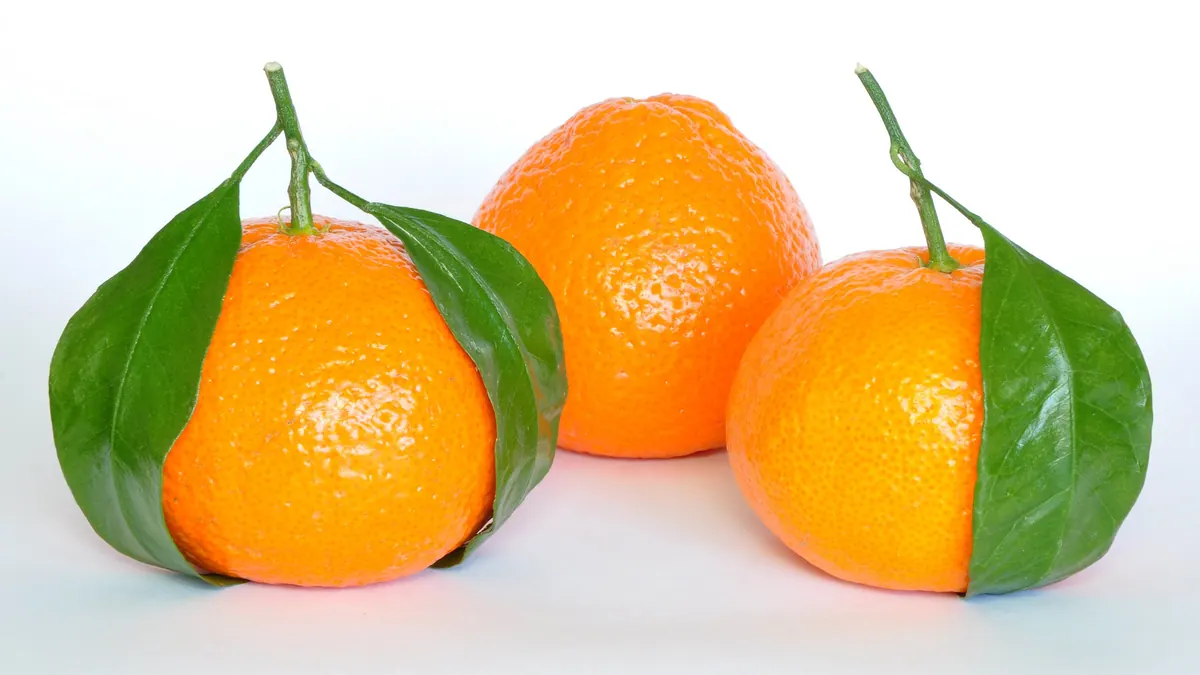
353 m³ CH₄/t VS weighted mean from 5 studies
neutral — editorial rating for biogas plants≈52 %
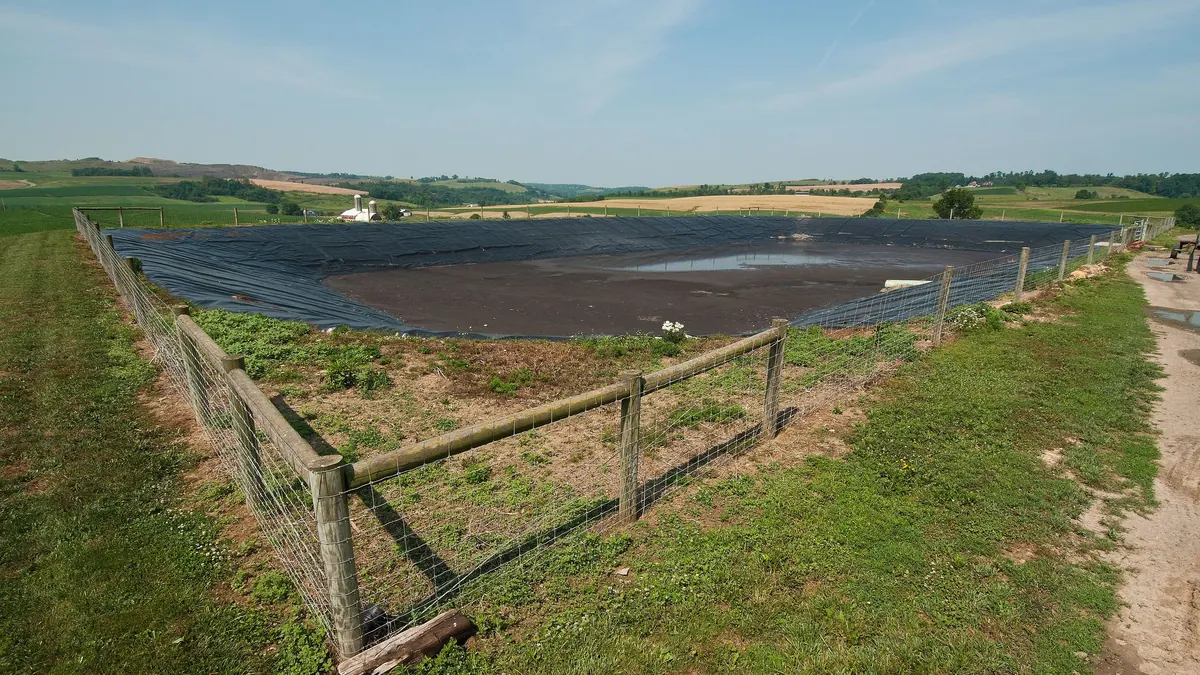
Dominion Energy and Vanguard Renewables announced more than USD 200 million for about 15 biogas projects at dairy farms, which will produce renewable natural gas (RNG).
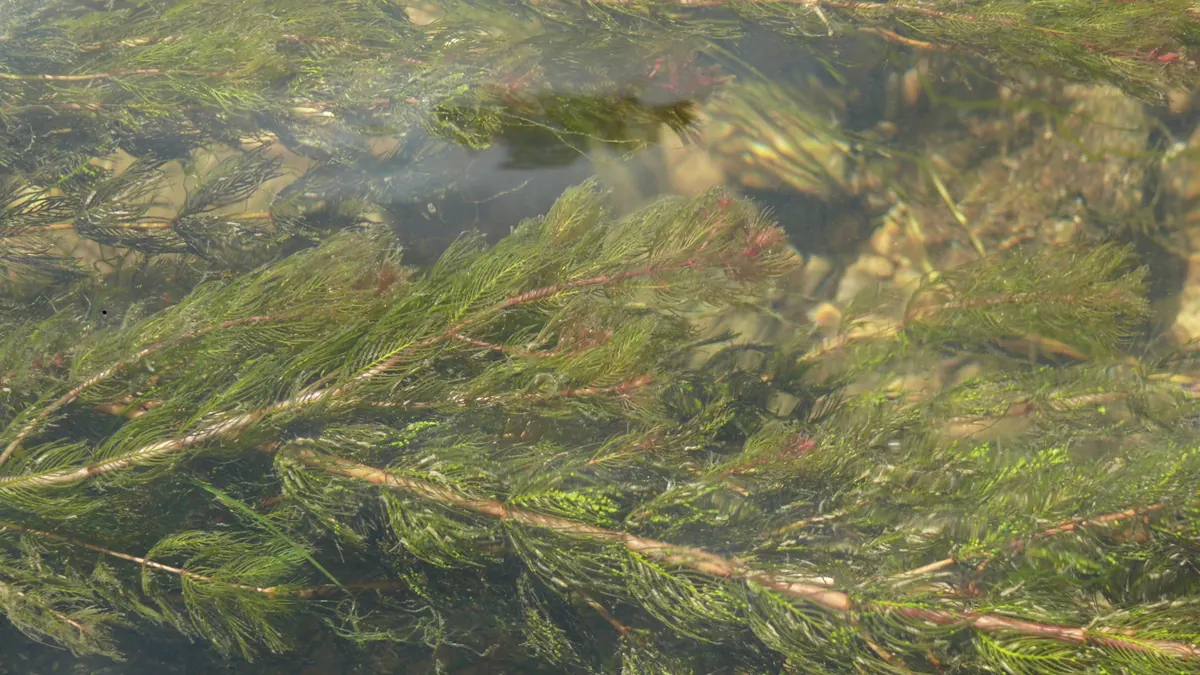
220 m³ CH₄/t VS weighted mean from 2 studies
≈52 %

At the summit of 12–13 December 2019, EU leaders endorsed the goal of climate neutrality by 2050. One state — Poland — did not commit to achieving it and returned to the subject in 2020.
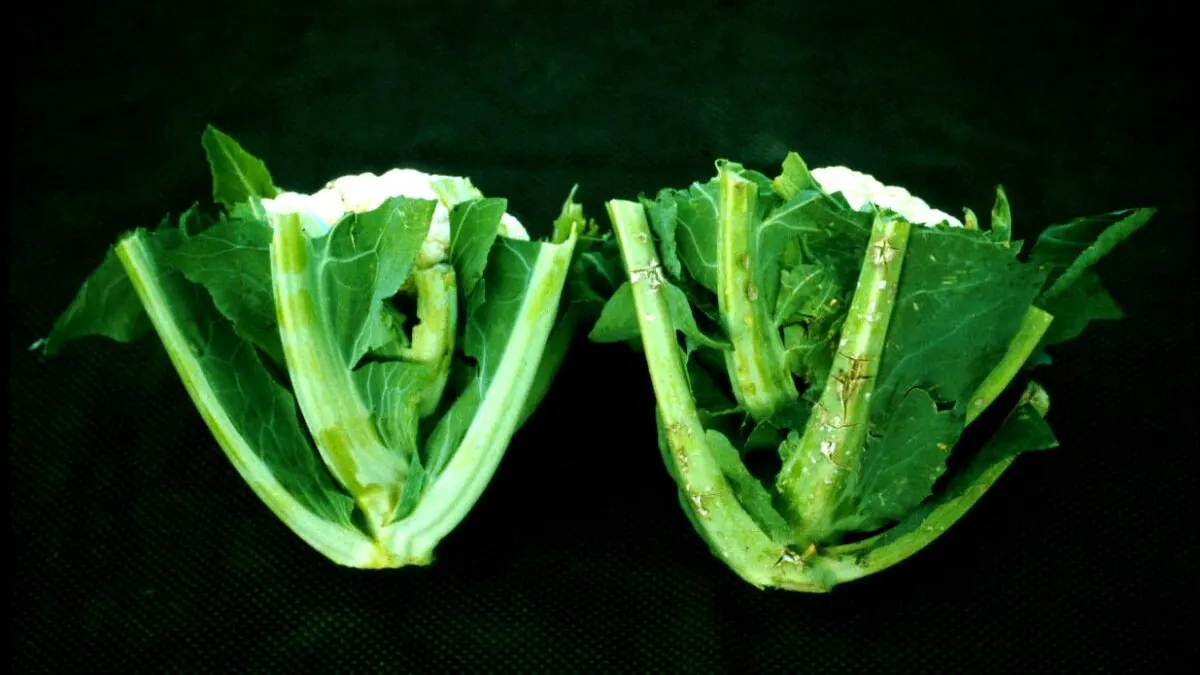
336 m³ CH₄/t VS weighted mean from 8 studies
neutral — editorial rating for biogas plants68 %
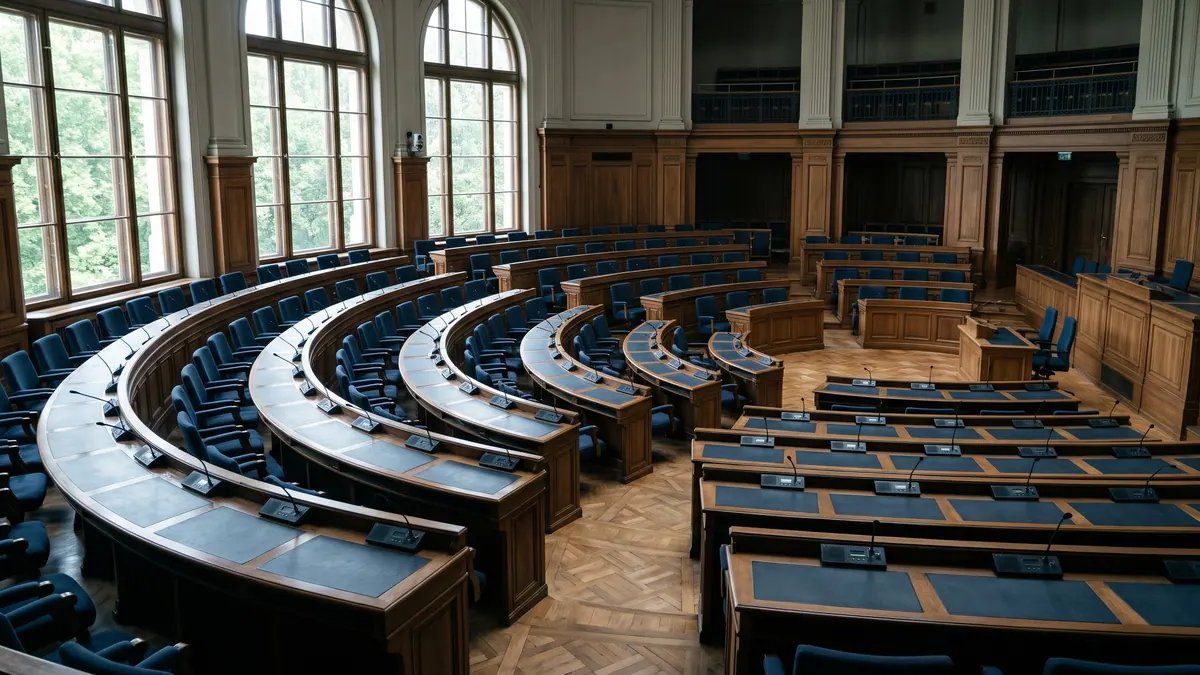
Communication COM(2019) 640 set out a plan for the EU to achieve climate neutrality in 2050 and announced a series of acts: from the climate law to strategies for agriculture and the circular economy.

Australia adopted the National Waste Policy Action Plan 2019: among other things a waste export ban, 80% resource recovery and halving organic waste to landfill by 2030.
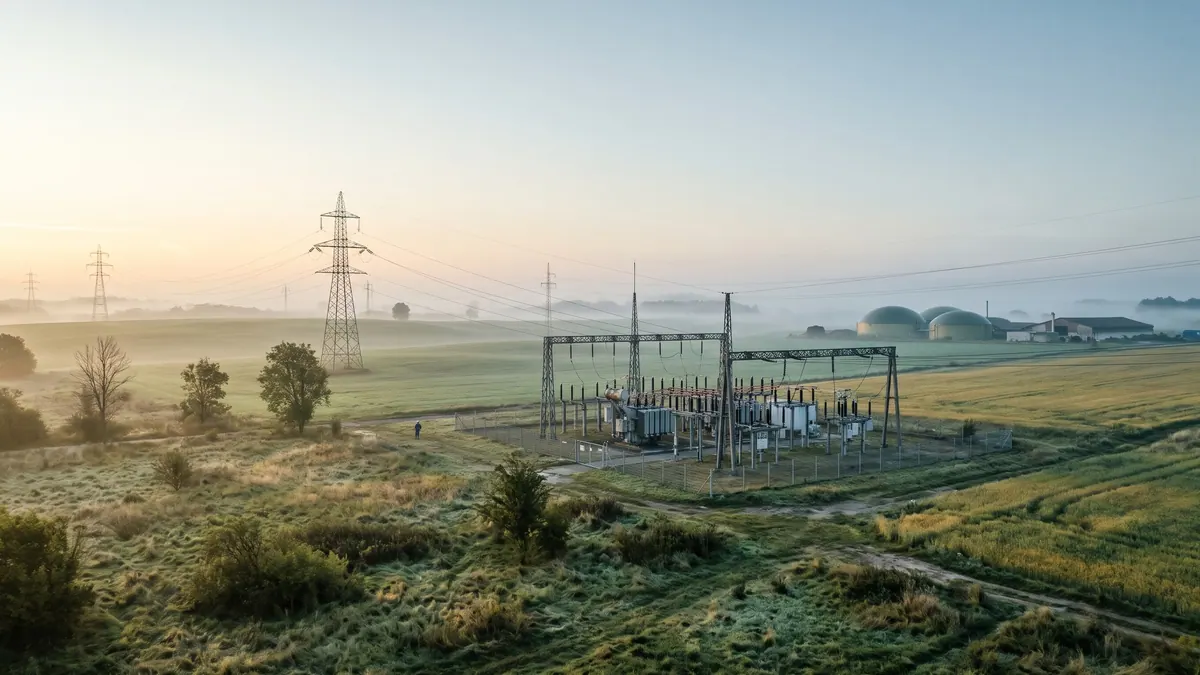
The largest auction of 2019 (up to 34 TWh, PLN 20.74 billion) failed because too few bids were submitted. The auction for agricultural biogas plants above 1 MW produced only two winners.
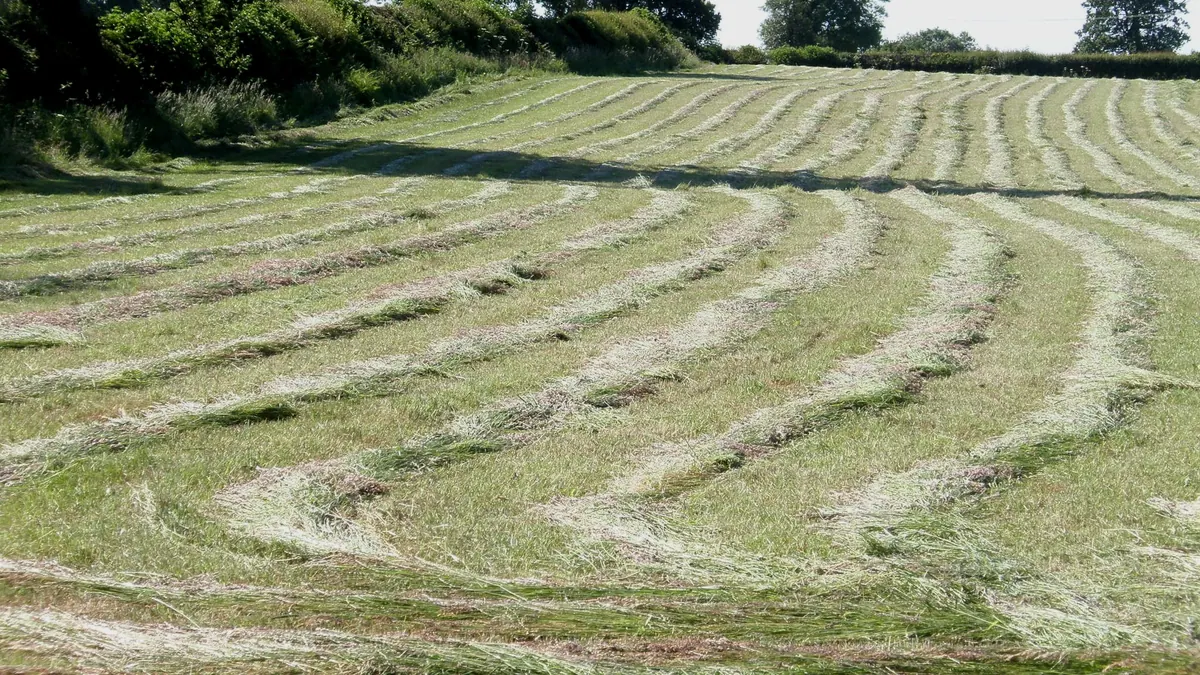
In November 2019 New Zealand passed the Zero Carbon Act with a separate target for biogenic methane: −10% by 2030 and −24–47% by 2050 relative to 2017.
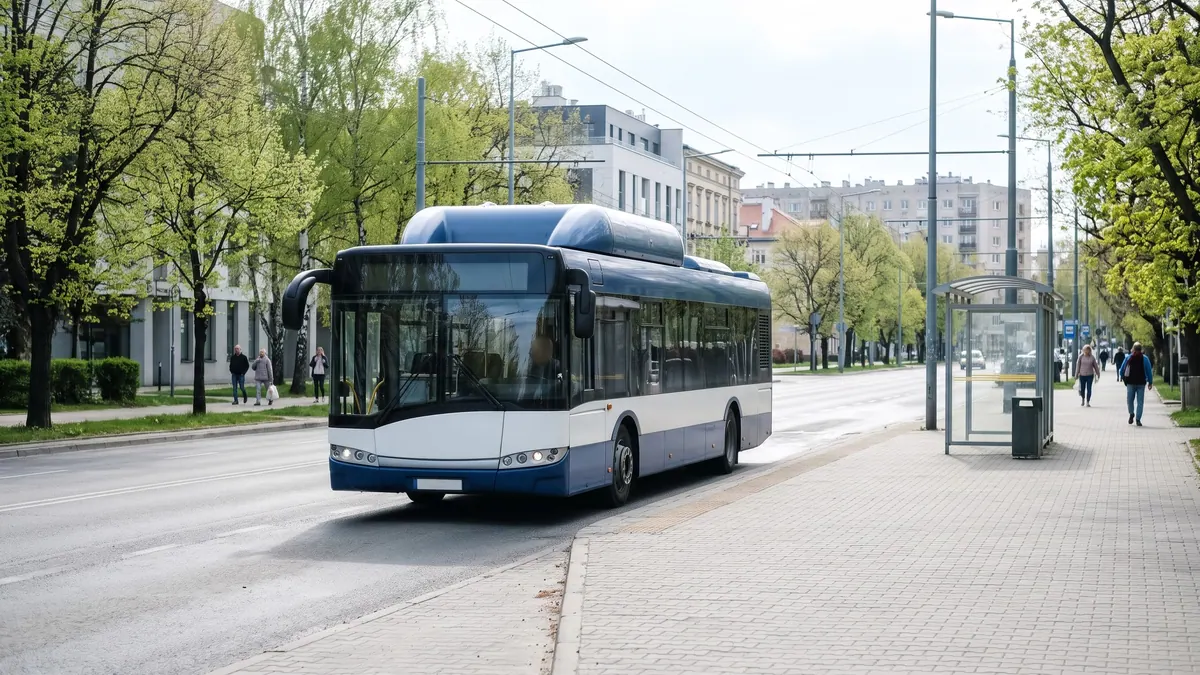
The NCW is a statutory obligation of fuel companies: a minimum share of biocomponents and other renewable fuels in transport. We explain the rules of settlement and how biomethane fits into it.