

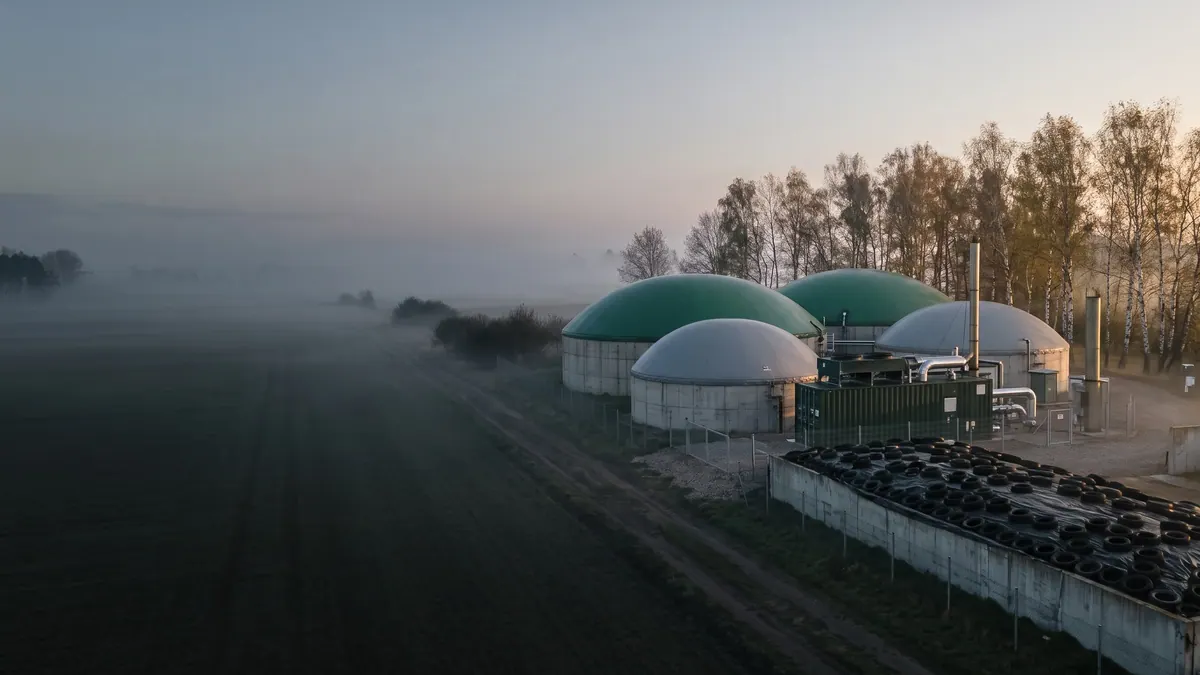
Ireland publishes its National Biomethane Strategy with a target of 5.7 TWh by 2030
On 28 May 2024 the Irish government adopted the National Biomethane Strategy. It envisages up to 5.7 TWh of biomethane in 2030, about 10% of national gas demand.
Biomethane is biogas cleaned of carbon dioxide and impurities to a quality close to natural gas. It can be injected into the gas grid or used as a transport fuel.
RSSOn 28 May 2024 the Irish government adopted the National Biomethane Strategy. It envisages up to 5.7 TWh of biomethane in 2030, about 10% of national gas demand.
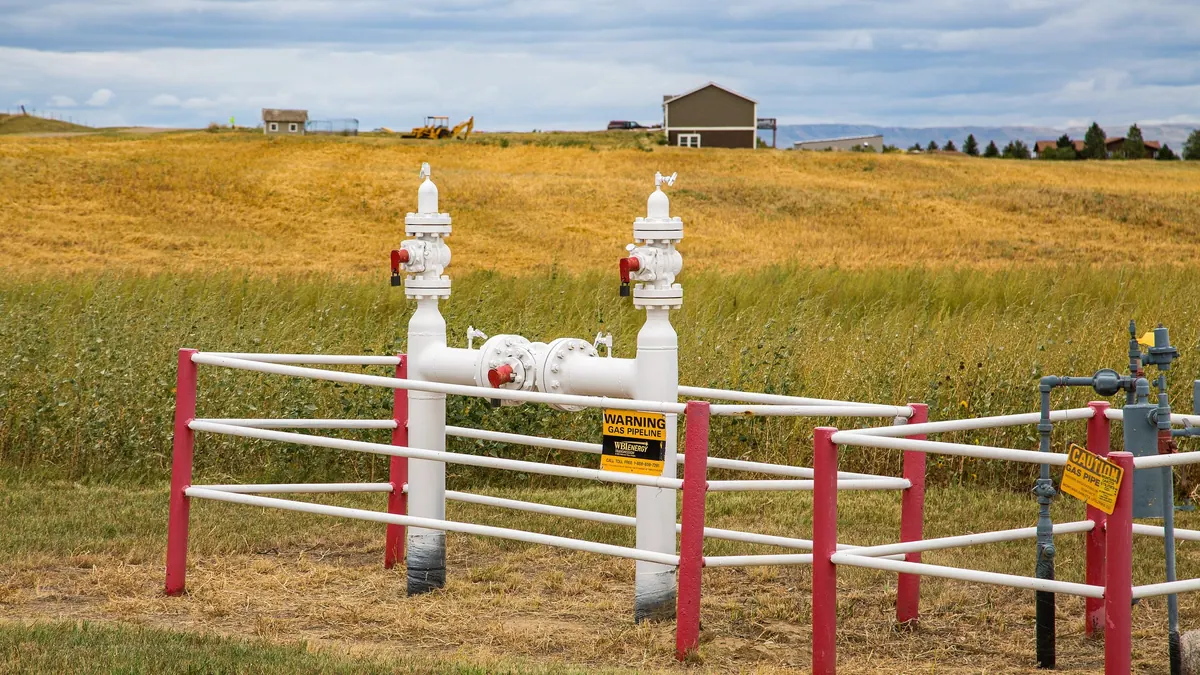
On 14 May 2024 the President of Ukraine signed Law No. 3613-IX, which allows customs clearance of biomethane transported by pipeline. It is a step towards exporting Ukrainian biomethane to the EU.
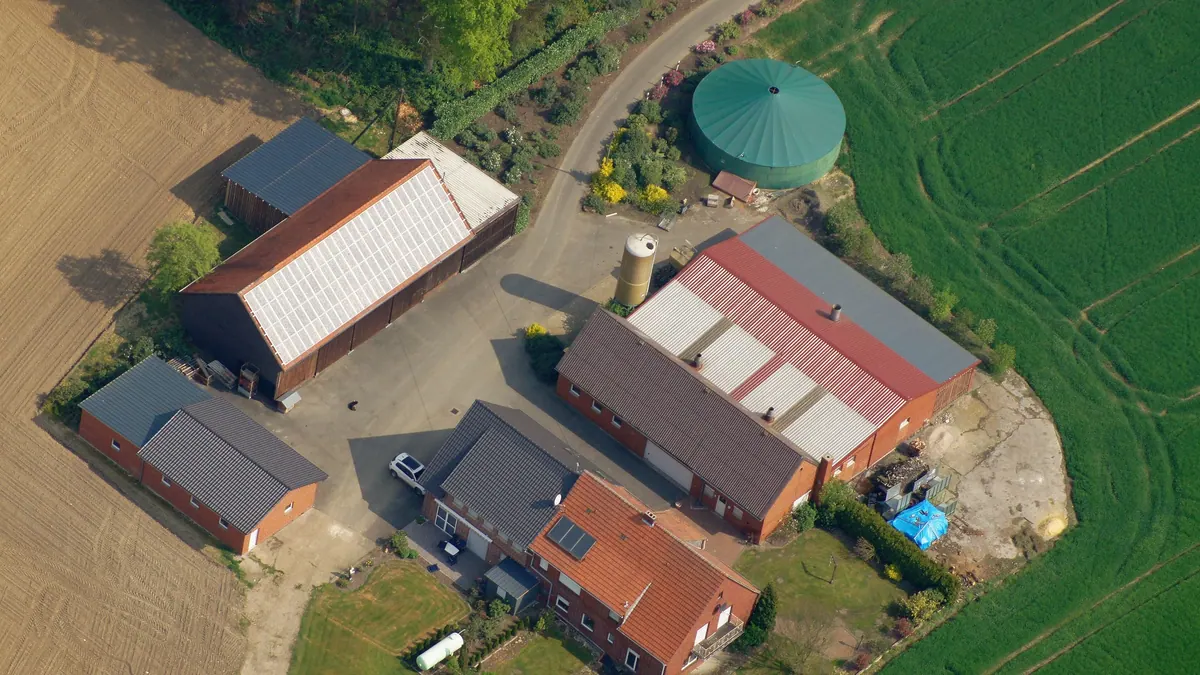
A biogas plant with a CHP engine can be converted into a biomethane plant by adding upgrading and a grid connection. We indicate what needs to be calculated: biogas, heat for digestion, support, permits and the schedule.
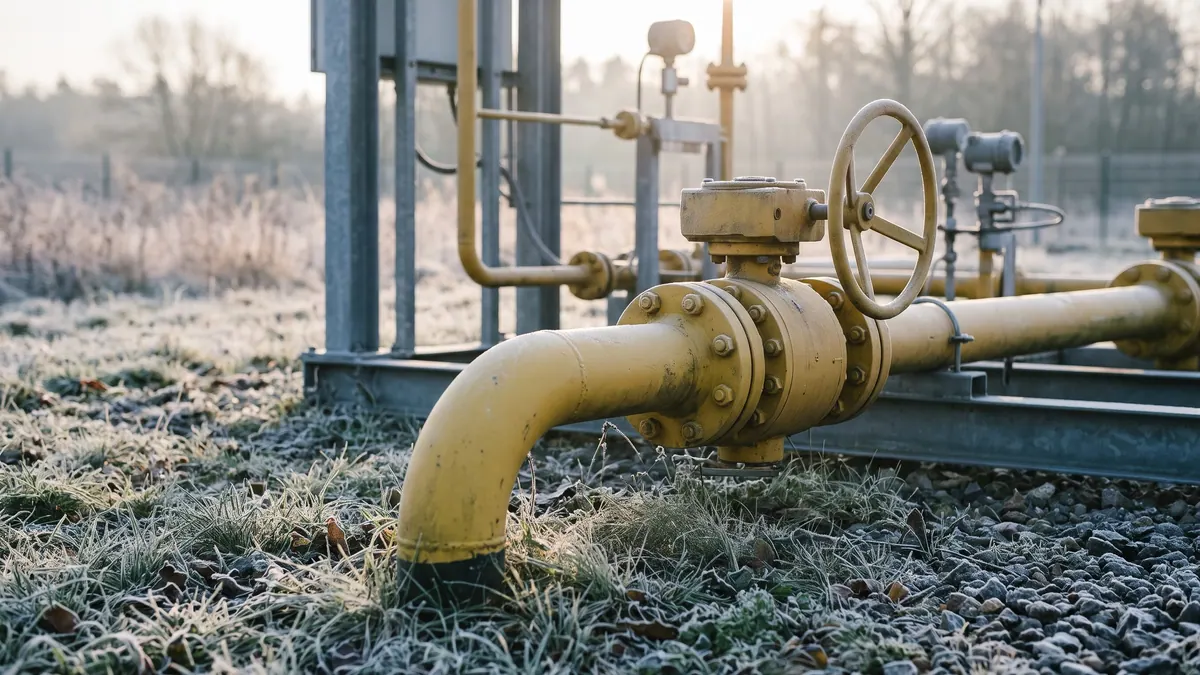
Following its mid-term review, the UK government announced an extension to 31 March 2028 of the application period for the tariff scheme for biomethane injected into the grid. The rules for heat pumps have also changed.
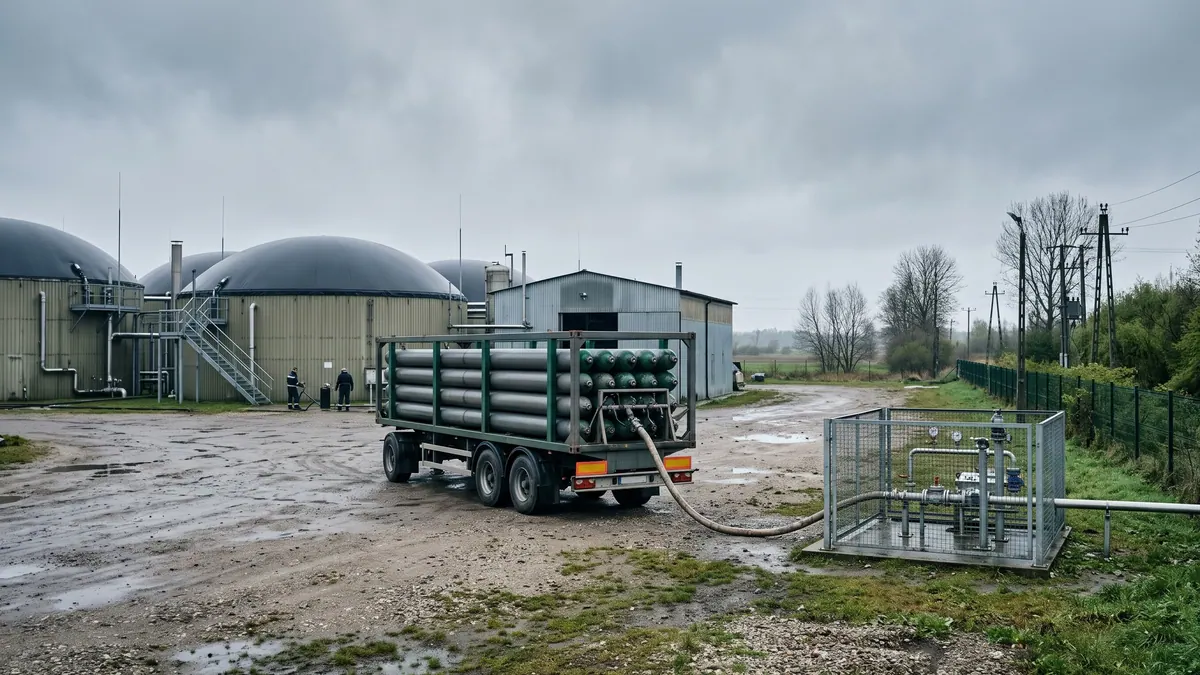
The regulation of the minister of climate of 13 November 2023 sets the biomethane reference price: PLN 538/MWh for biomethane from biogas and PLN 545/MWh for biomethane from agricultural biogas. It enters into force on 22 November.
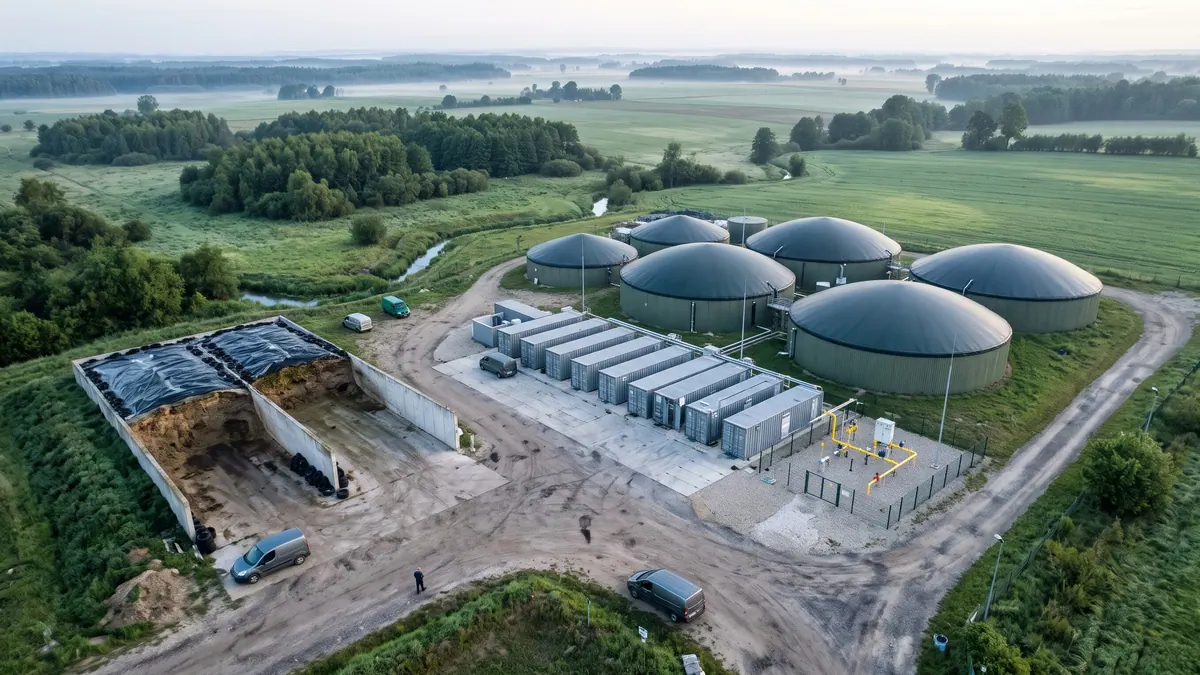
The Korea Institute of Energy Research (KIER) developed a process for removing H₂S, CO₂ and moisture from biogas from food waste and slurry; the pilot processed an average of 3 t of biogas per day.
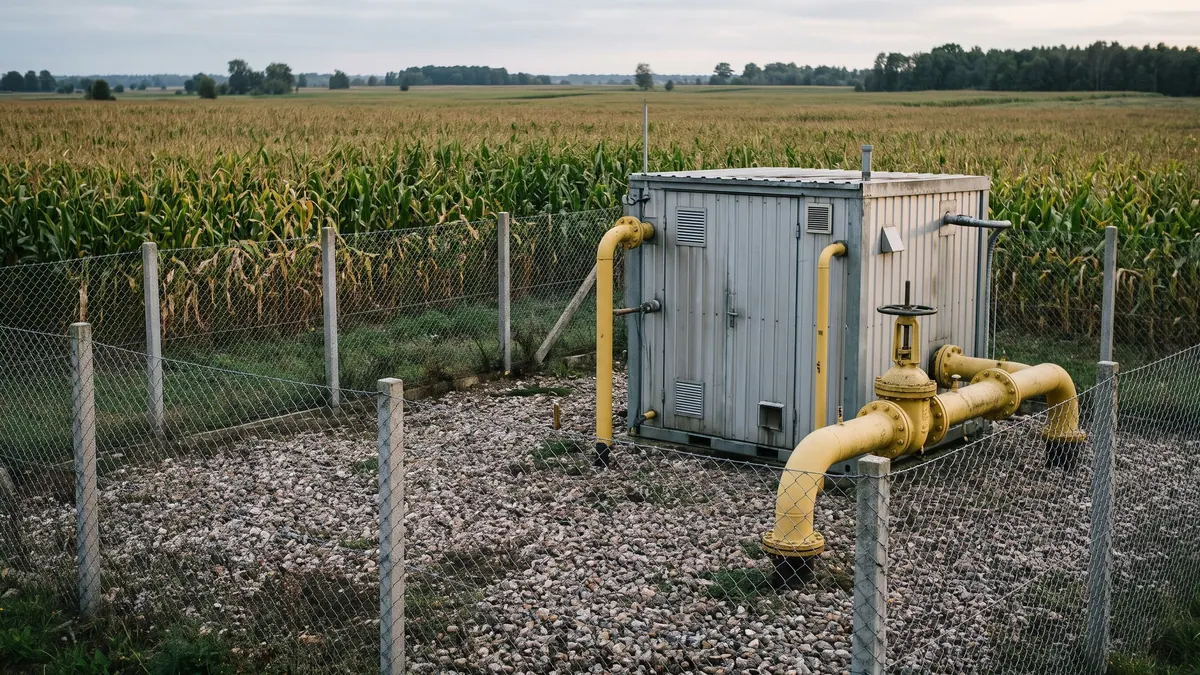
The act of 17 August 2023 introduces into Polish law a definition of biomethane, a register of biogas producers at the Energy Regulatory Office (URE), guarantees of origin and a support system for biomethane from installations of up to 1 MW (20 years).
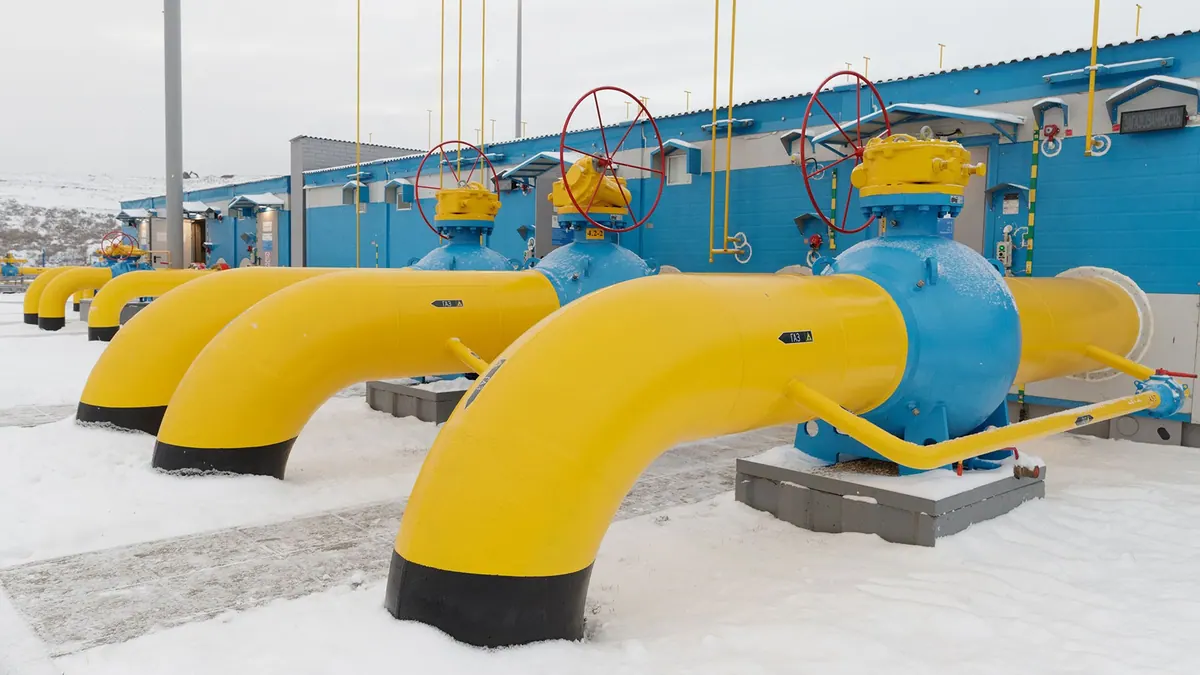
The distribution grid has limited absorption capacity, especially in summer, so biomethane is sometimes injected into a higher-pressure grid or via reverse compression. We explain pressure levels, the choice of injection point and the criteria.
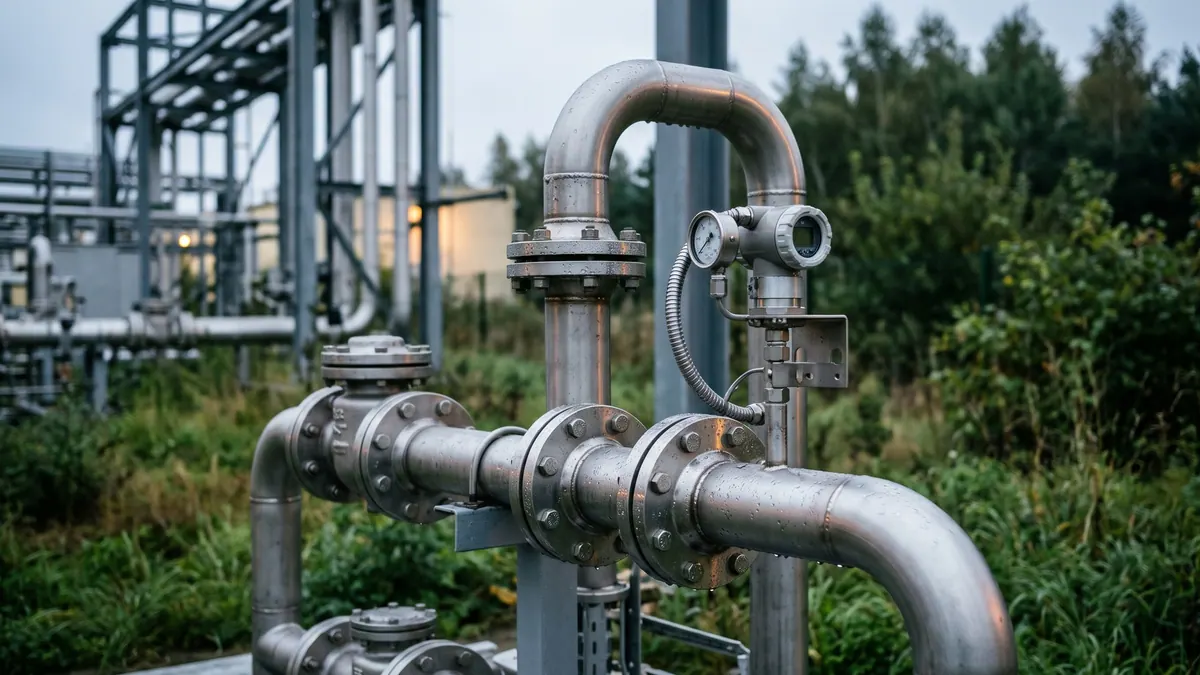
A review in the journal Energies (July 2023) analyses biogas upgrading methods in South Africa and estimates the potential at 3 million Nm³ of biogas a day. In 2022 the industry put biogas capacity at about 30 MW.
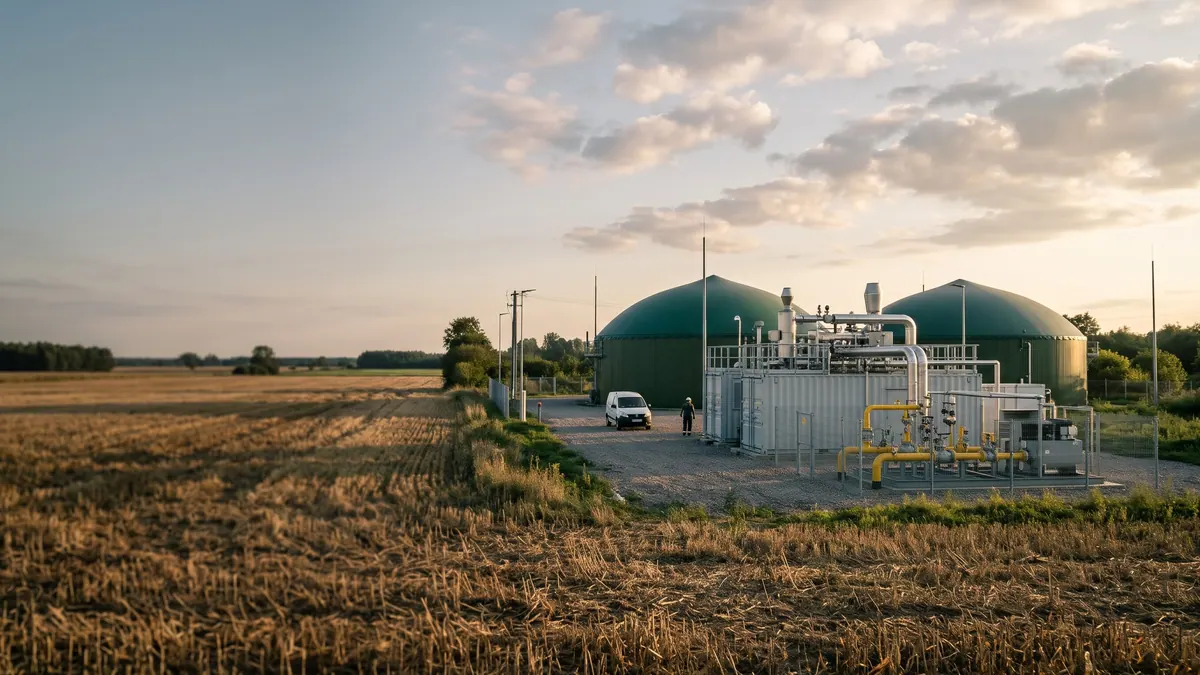
In June 2023 Jemena and Sydney Water injected into the New South Wales grid the first biomethane from the Malabar treatment plant – the start of a 14 million AUD project supported by ARENA.
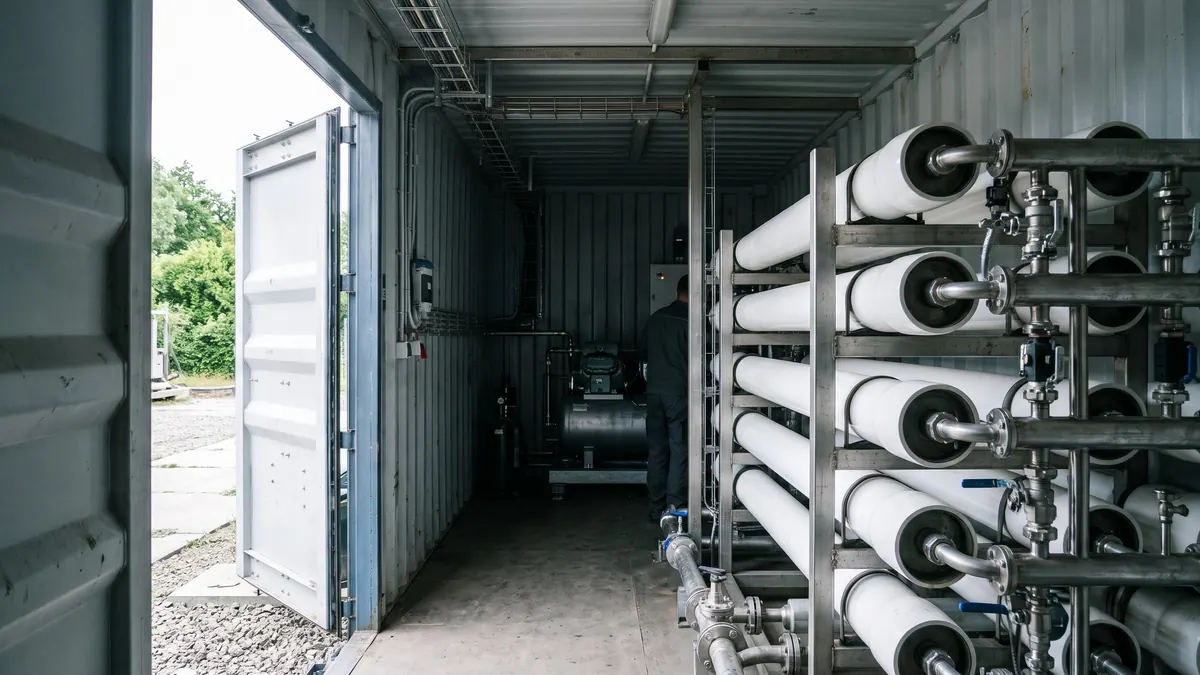
The choice of upgrading technology depends on a dozen or so criteria: scale, heat, the CO₂ market, methane losses, local conditions. We propose a matrix with weights and a scoring example for your own use.
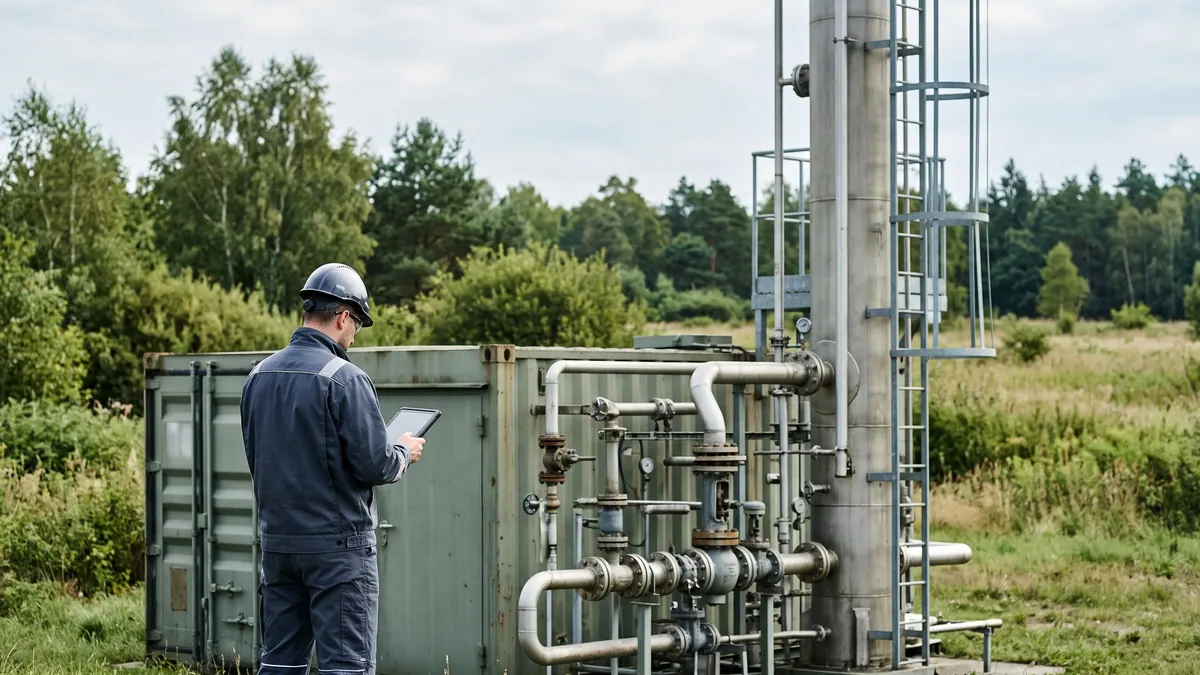
On 26 October 2022 Italy published MITE Decree No 340 of 15 September 2022 on support for biomethane: EUR 1.7 billion from the PNRR and tariffs for installations injecting biomethane into the grid.
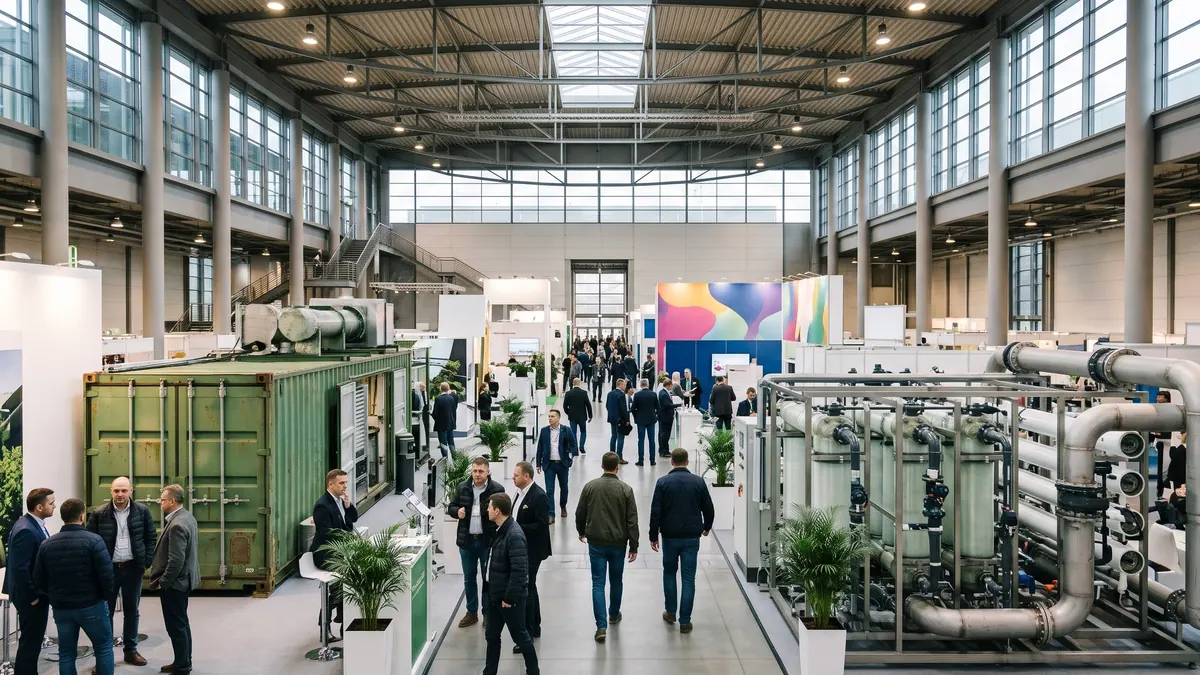
On 28 September 2022 the European Commission and industry leaders launched the Biomethane Industrial Partnership (BIP), a cooperation platform intended to help reach the target of 35 billion m³ of biomethane by 2030.
Air Liquide announced China's first biomethane project from agricultural and livestock waste in Huai'an, with annual production of about 75 GWh and injection into the city gas network.
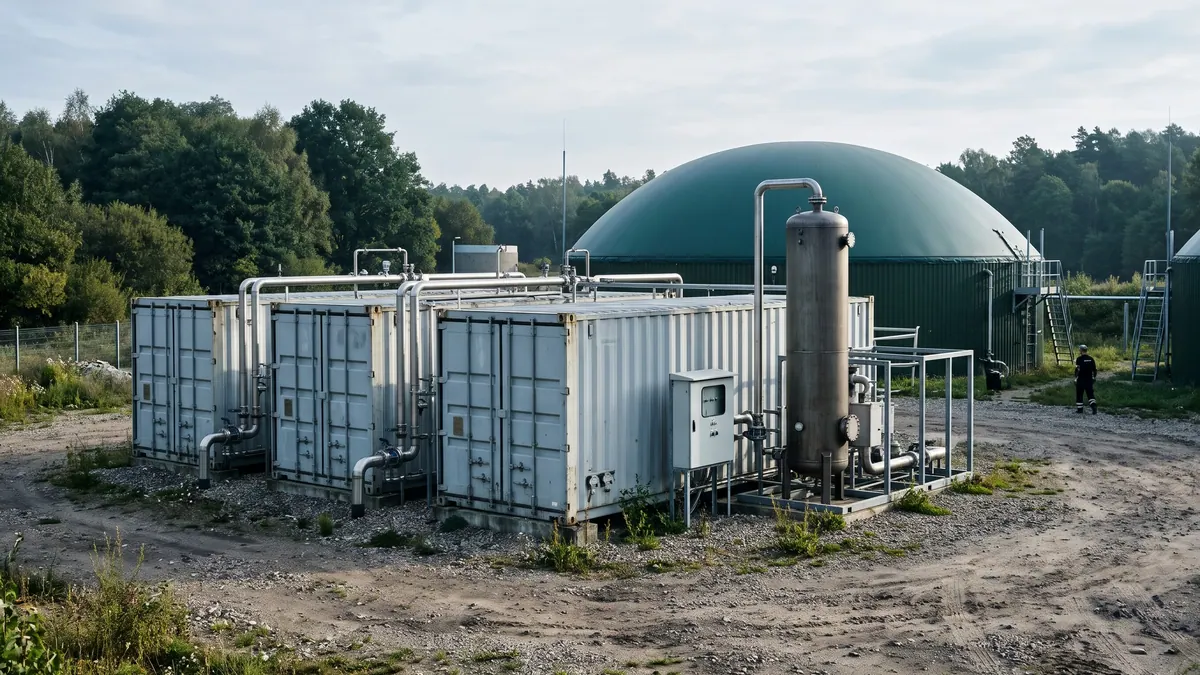
On 18 May 2022 the European Commission presented the REPowerEU plan with a target of 35 billion m³ of biomethane a year by 2030 and a biomethane action plan, including an industrial partnership and support from the CAP.
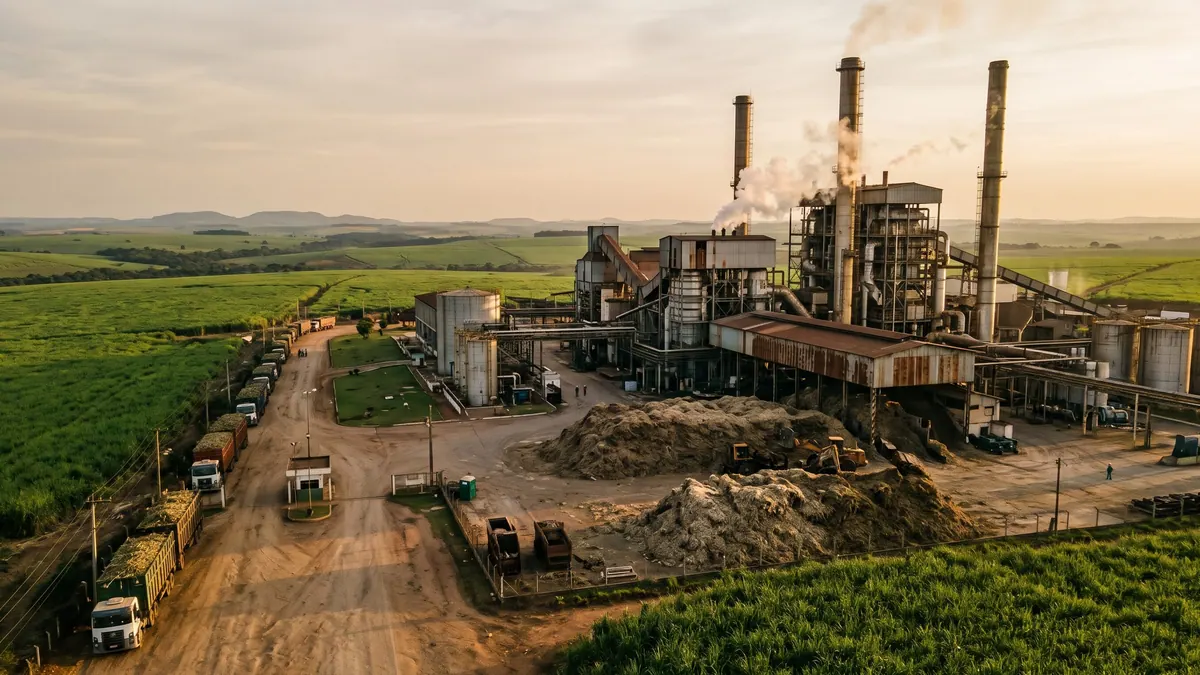
In April 2022 Raízen announced the construction of its second biogas plant, the first dedicated to biomethane: R$ 300 million, 26 million m³ a year from vinasse and filter cake, sold to Yara and Volkswagen.
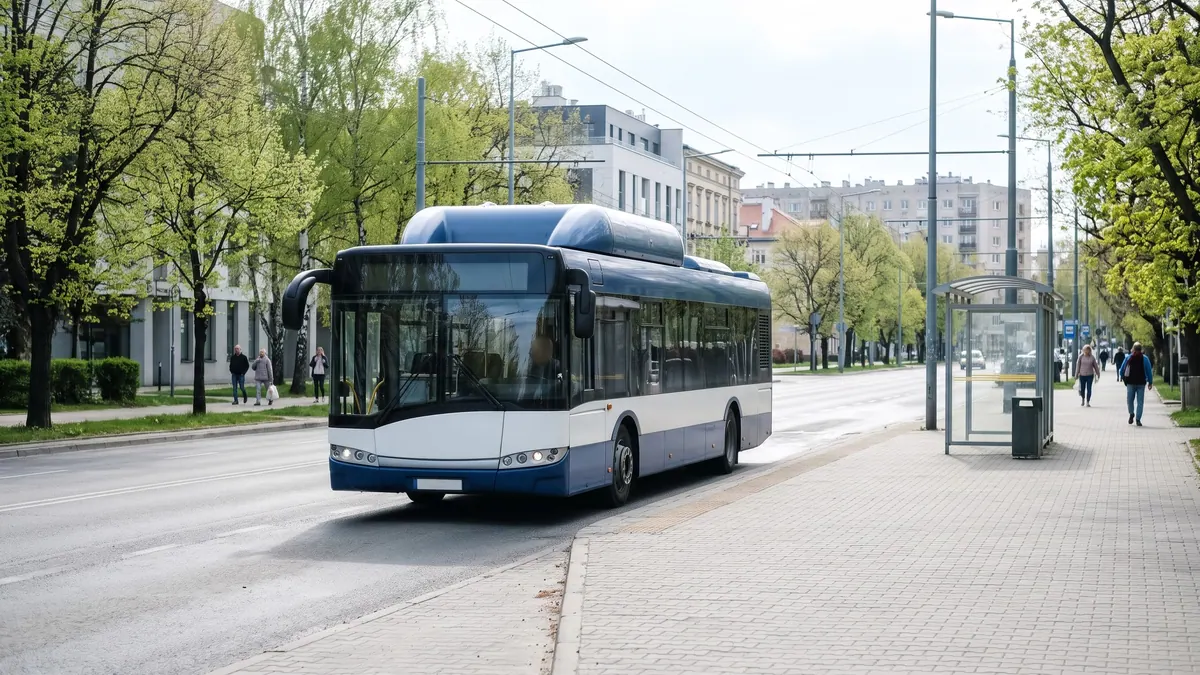
A virtual pipeline is the delivery of compressed or liquefied biomethane by road. We explain the arrangement, capacities, transport costs per kilometre and the profitability limit.
On 20 January 2022 FortisBC applied to the regulator to supply 100% renewable gas to all new homes; the company is on track to exceed its target of 15% renewable gas by 2030.
The Danish operator Energinet reported that biomethane made up almost 25% of gas in the national grid at the end of 2021, compared with 21% a year earlier. Denmark sets the standard for countries building a biomethane market.
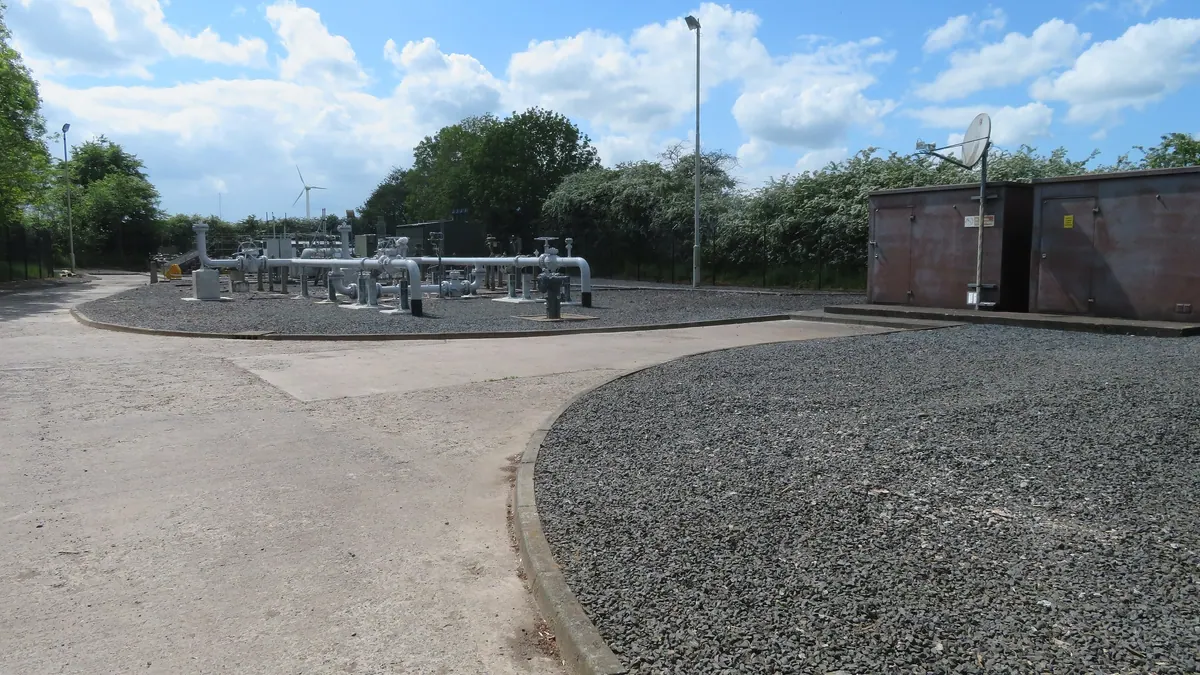
On 15 December 2021 the Commission proposed a directive and a regulation reforming the gas market: definitions of renewable and low-carbon gases, certification, easier grid access and tariff discounts for renewable gases.
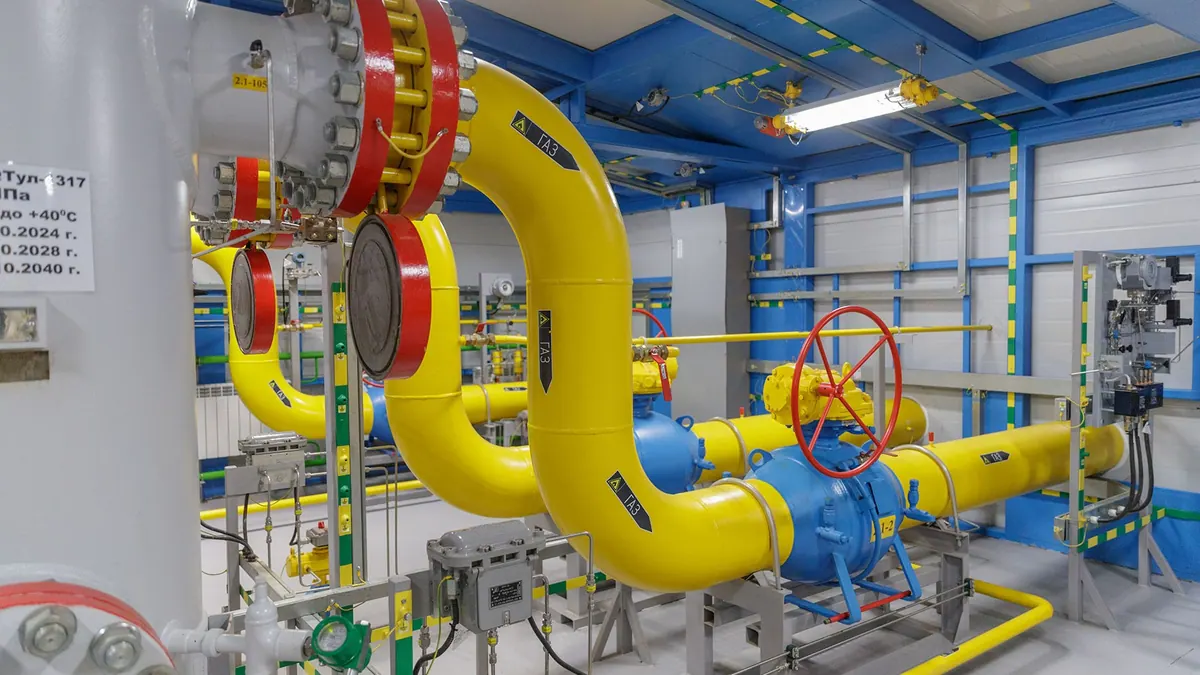
From the application for connection conditions to acceptance: we describe the stages of connecting a biomethane plant to the gas grid, the analyses of capacity and costs, and the documents that need to be prepared.
The EU Council approved the Italian recovery plan on 13 July 2021. Investment M2C2 1.4 for biomethane development provides about EUR 1.92 billion and production of 2.3 billion m³ per year by mid-2026.
A Beca report prepared with Firstgas and Fonterra indicates that renewable gas could replace nearly 20% of national gas use by 2050 and avoid about 4% of energy emissions.
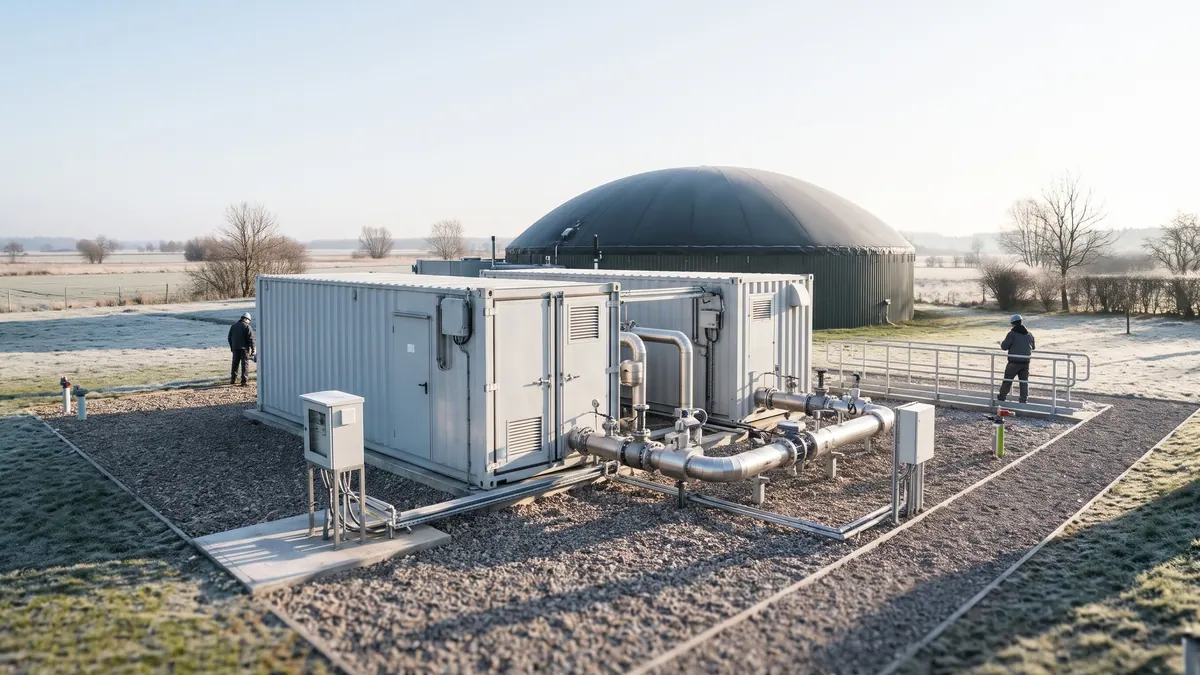
Orlen Południe and the Polish Oil and Gas Company (PGNiG) notified the Office of Competition and Consumer Protection (UOKiK) of their intention to create a 51/49 special purpose company. Among the planned projects is the expansion of the 1.8 MWe biogas plant in Jeżewo to 3.2 MWe and about 8 million m³ of biomethane.