InnovationAnalysis
Biogas innovation maturity map in 2026: what to deploy, what to watch, what to avoid
A summary assessment of the technologies in the Innovation section: what is mature, what is conditional, what is at research stage. Criteria: TRL, CAPEX, legal risk, prices and relevance for biogas plants.
Other language versions: Polski, Deutsch, Español, Français, Italiano, Nederlands.
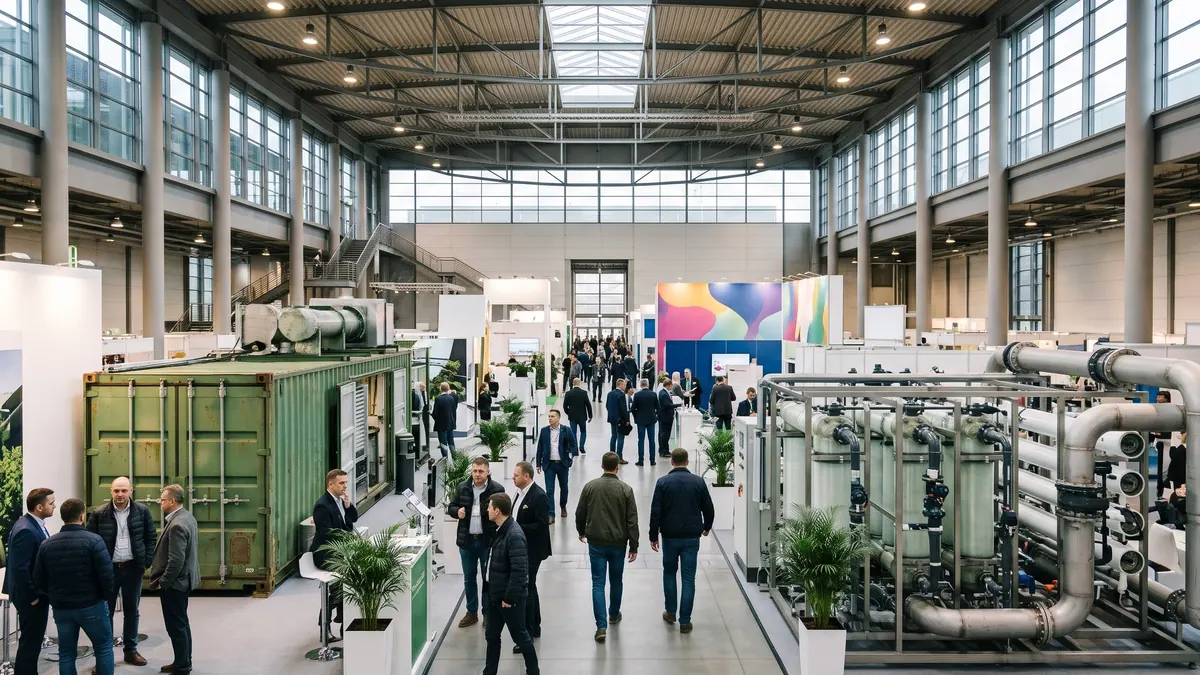
Of the technologies discussed this year in the Innovation section, only a few can be deployed today without experimentation, some are worth watching, and some remain the domain of research. Below is a synthesis of the assessment at the end of November 2026. The assessment is a generalisation for an agricultural biogas plant and does not replace an analysis of a specific case.
Assessment criteria
- TRL: technology readiness level, from 1 (idea) to 9 (commercial).
- CAPEX: the required outlay in relation to the scale of the farm.
- Legal risk: uncertainty about the status of waste, fertiliser or fuel.
- Price dependence: sensitivity to the prices of energy, gas, protein, fertilisers.
- Relevance for an agricultural biogas plant: whether the technology solves its problem.
The map
| Technology | Category | TRL (est.) | CAPEX | Legal risk | Price dependence | Relevance for an agricultural biogas plant |
|---|---|---|---|---|---|---|
| NIR measurement of digestate and substrate composition | mature | 8–9 | low–medium | low | low | high |
| Flexible biogas production | mature | 8–9 | medium | low | high | high |
| Digestate separation | mature | 9 | medium | low | medium | high |
| Digestate RO/UF | conditional | 7–8 | high | medium | medium | medium |
| Struvite recovery | conditional | 7–8 | medium–high | medium | high | low (mainly treatment plants) |
| SOFC fuel cells on biogas | conditional | 7–8 | very high | low | high | low |
| Small-scale biomethane plants | conditional | 8–9 | high | low | high | medium |
| Biomethane tractors | conditional | 8–9 (technology) | medium–high | medium | high | low, but growing in clusters |
| BSF larvae | conditional | 7–8 | high | high | high | low (complement) |
| ADM1 and digital twins, machine learning | conditional | 6–8 | low–medium | low | low | medium |
| Biochar and DIET | research–conditional | 5–7 | medium | medium | medium | medium |
| Electro-fermentation | research | 4–5 | high | low | high | none today |
| HTC | research | 5–6 | high | medium | high | low |
| Protein from methane (SCP) | research | 6–7 | very high | high | high | low |
| Algae | research | 4–6 | high | medium | high | low |
| Carboxylate platform | research | 5–7 | high | medium | high | none today |
TRL values are approximate and refer to application at the scale of an agricultural biogas plant, not to the best pilots in the world.
Mature: what to deploy
NIR measurement increases control over the nitrogen dose and substrate quality; we describe it in the guide Measuring digestate composition during application. Flexible biogas production uses the existing storage and capacity, provided the biology is stable; see the guide on flexibility. Digestate separation is a proven solution (description of the technology and the fraction balance), and its profitability depends on how the fractions are used.
Conditional: what to watch and when to deploy
Technologies in this group work, but require conditions to be met: the right scale, a buyer, funding or stable law. Small-scale biomethane plants make sense with a secure gas offtake. SOFC fuel cells remain interesting where the gas is already deeply cleaned. Biomethane tractors require a large fleet or a cluster. BSF larvae are more a complement than a competitor. Reverse osmosis and struvite recovery can be justified where there is a problem with a surplus of nutrients or the cost of transport. The assessment of new technologies is organised by the article TRL, references and due diligence.
Research: what to avoid as an investment
Electro-fermentation, HTC, protein from methane, algae and the carboxylate platform have potential, but lack proven business models at agricultural scale. It is worth following publications and pilots and, if interested, taking part in research projects with a scientific partner, not financing a commercial installation alone. An example of a direction that must be distinguished from a biogas plant failure is described in the article The carboxylate platform, and the protein route in Protein from biogas.
How to use the map
- Start from the problem of your own installation (digestate cost, energy prices, no outlet for heat), not from the technology.
- Check the category and the five criteria for the chosen solution.
- For "conditional" items, carry out an audit and an illustrative calculation with your own data.
- For "research" items, do not plan outlays, only observation and a possible partnership.
- Verify the legal risk before spending money, because many innovations require a change in the status of a product or waste.
The map will change as pilot results are published and the law is amended; that is why we always give the date of the assessment.
Sources
Related articles